






Sherry has transitioned to a darling of the modern craft cocktail scene. Its application in bespoke cocktails comes from its unique ability to act as a flavor bridge, a textural modifier, and a low-ABV alternative. Because of the different aging processes, biological (under a layer of yeast called “flor”) and oxidative (exposed to air), it offers a full spectrum of flavor profiles that few products can match.
To better understand the complexity of sherry and how to properly use it, you can always rely on our Sherry Journey ecosystem for a deep dive into the category.
WHAT ARE BESPOKE COCKTAILS?
In the world of cocktails, bespoke creations are the equivalent of a tailored suit. The term bespoke comes from the British tailoring tradition “been spoken for”. While a standard cocktail follows a fixed recipe on a menu, a bespoke cocktail is designed specifically for the guest at the moment. It is a collaborative experience between the guest and the bartender that moves away from ordering a cocktail on the menu towards a conversation about taste. In a bar setting, it usually involves a series of questions to create the ideal cocktail for the guest.
Instead of looking at a menu, the bartender will ask you a series of diagnostic questions to map out the palate profile:
1. Base Spirit: “Are you feeling Gin, Bourbon, or perhaps something agave-based like Mezcal?”
2. Style: “Do you want it shaken (refreshing, citrusy, light) or stirred (boozy, spirit-forward, serious)?”
3. Flavor Notes: “Are you craving something herbal, spicy, floral, or savory?”
4. The “No-Go” List: “Is there anything you absolutely hate? (e.g., cilantro, egg whites, smoky flavors).”
5. Even though the drink is custom, bartenders don’t just guess. They use proven mathematical templates (ratios) and swap in custom ingredients:
a. The Sour Template (2:1:1): 2 parts spirit, 1 part sweet, 1 part sour.
b. The Spirituous Template (2:1): 2 parts spirit, 1 part fortified wine
c. The Equal Parts Template (1:1:1): 1 part spirit, 1 part fortified wine, 1 part liqueur
6. The Swap: A bartender might take a classic Sour template but swap the sugar for a house-made syrup or the lemon for a lime-grapefruit blend to create your bespoke drink.
True bespoke cocktails are often “one-offs.” The bartender might use a specific infusion, a rare bottle, or a unique garnish that isn’t featured on the regular menu. In many high-end bars, these drinks are never given a name; they are simply “your drink” for that night.
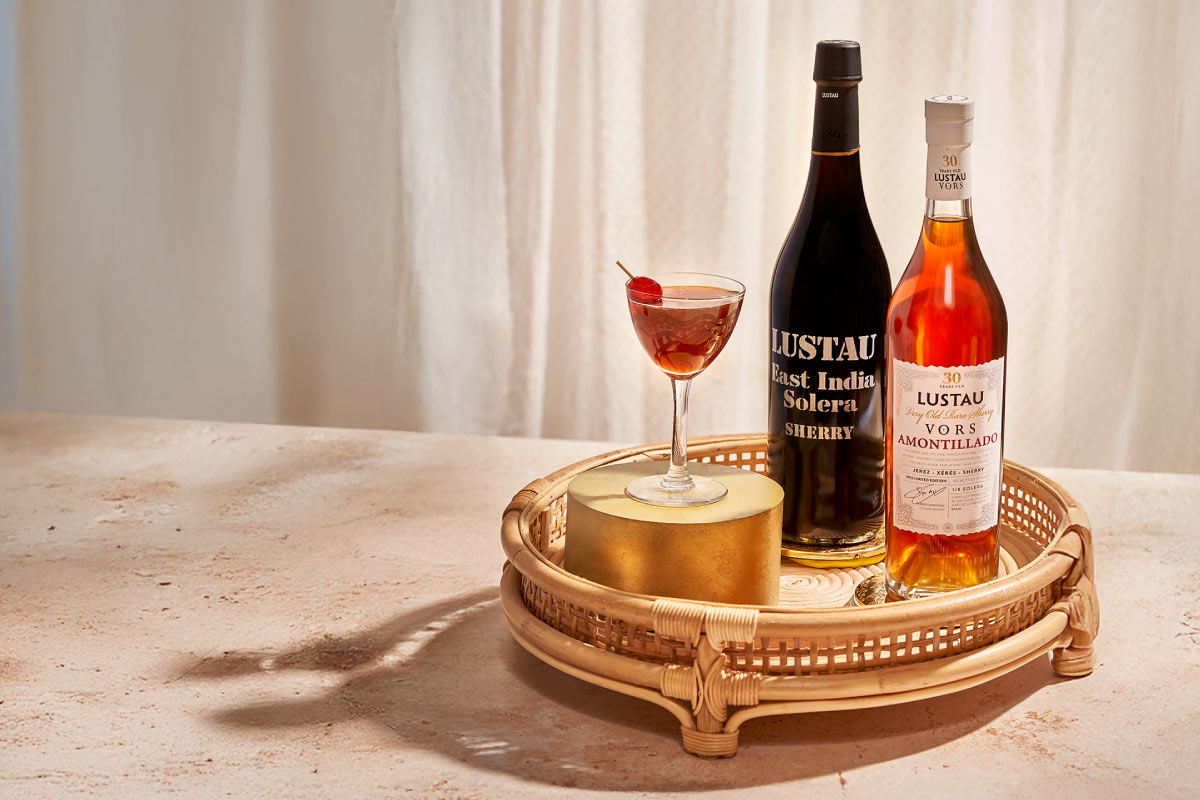
Not the usual set of ingredients for an Adonis cocktail.
WHY PERSONALIZATION IS REDEFINING MODERN MIXOLOGY
Personalized bespoke cocktails are redefining modern mixology by shifting the focus from the product (what’s in the glass) to the process (the relationship between the guest and the bartender). In 2026, this movement is no longer just a luxury niche; it has become the standard for true and honest hospitality. Many of the world’s most influential bars are moving toward a no-menu or freestyle format. Without a printed menu, bartenders can use the freshest seasonal ingredients or a specific rare bottle that might only last for three servings, making the experience feel fleeting and exclusive.
THE RISE OF BESPOKE COCKTAIL CULTURE ACROSS GLOBAL MARKETS
This style of cocktails has turned from a very specific type of service to a global movement, embraced by hundreds of bars and industry professionals. This shift marks a transition from a “transactional” bar experience (buying a product) to an “experiential” one (buying a memory). Across major cocktail hubs like London, New York, Singapore, and Mexico City, the traditional printed menu is becoming secondary. Even more, once limited to high-end speakeasies, bespoke service has moved into neighborhood bars. Today, guests now expect high-quality, personalized drinks even in casual, local settings.
ASIA’S BESPOKE BARS: WHERE CUSTOM COCKTAILS BECOME ART
In 2026, Asia has solidified its position as the global epicenter for bespoke cocktail culture. The region’s approach combines traditional hospitality values, like Japan’s Omotenashi approach of selfless hospitality, with hyper-modern techniques like “liquid cuisine” and AI-assisted palate mapping.
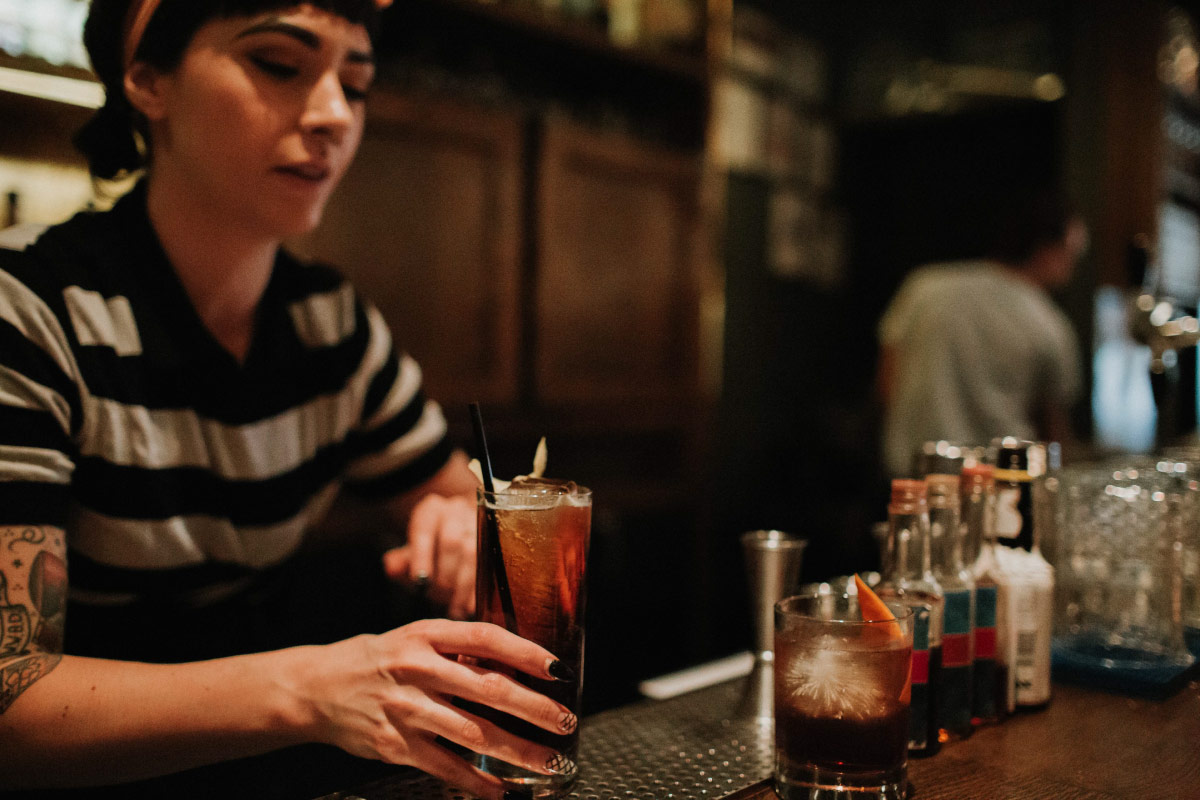
Tokyo remains the gold standard for no-menu bars. Here, the experience is almost religious, focusing on the dialogue between the guest’s mood and the bartender’s seasonal ingredients. As of 2026, Hong Kong is arguably the cocktail capital of the world. The bespoke scene here is fast-paced and experimental. Singapore’s bespoke scene is defined by technical sophistication and the low-ABV and no-proof movement. Singapore and Bangkok have moved from classic bars to highly conceptual bespoke environments.
U.S. COCKTAIL TRENDS: CREATIVITY, LOW-ABV, AND BARREL AGING
The US bespoke cocktail market has evolved into a sophisticated laboratory of flavor. American mixology has moved past the era of overly complex 10-ingredient drinks and instead focuses on technical precision and guest-centric functionality. The most significant shift in US bars is the move toward mindful moderation. Low-alcohol drinks are no longer an afterthought; they are the most profitable and creative part of the bespoke menu. Barrel aging in the US has moved beyond putting an Old-Fashioned in a barrel for a month and is now a tool for textural transformation. Experience has also taken the scenery: US bartenders are using high-drama elements, like crafted ice as a flavor vessel, to make the bespoke experience feel like a performance worth the premium price tag.
Learn more about the low and no ABV trend.
WHY SHERRY IS THE ULTIMATE BASE FOR BESPOKE COCKTAILS
The mixology world has officially crowned sherry the “bartenders glue” not because it is useful, but because it is the ultimate fix-all and base-builder for bespoke drinks. While gin and whiskey are loud spirits that demand attention, sherry acts as a versatile chameleon that can serve as the main attraction or the invisible glue in a custom recipe. In previous years, sherry was used as a modifier, but today there is a global trend toward building entire drinks around fortified wines. As mindful drinking dominates today’s cocktail scene, guests often want a bespoke drink that they can enjoy for hours and are seeking more and more low-ABV options.
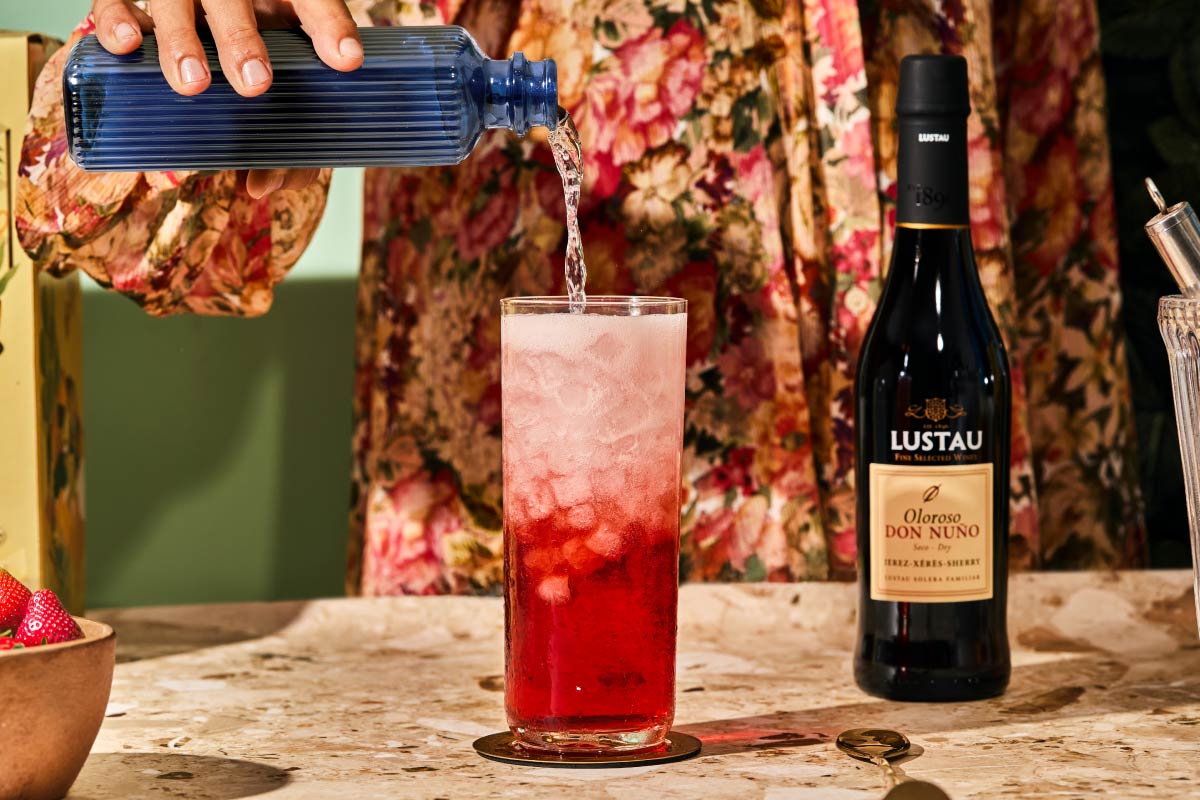
Bespoke mixology often involves weird requests (“Make me something that tastes like a forest after it rains”). Sherry is the only base that can bridge these gaps due to the various and unique flavor profiles found throughout the category.
DESIGNING COCKTAILS IN REAL TIME: WHY SHERRY GIVES FLEXIBILITY
In bespoke mixology, flexibility is the ability for an ingredient to solve multiple problems at once, adjusting flavor, texture, and strength without ruining the balance. Sherry is the ultimate flex ingredient because it can play every role on the team: the base, the modifier, the sweetener, or the seasoning.
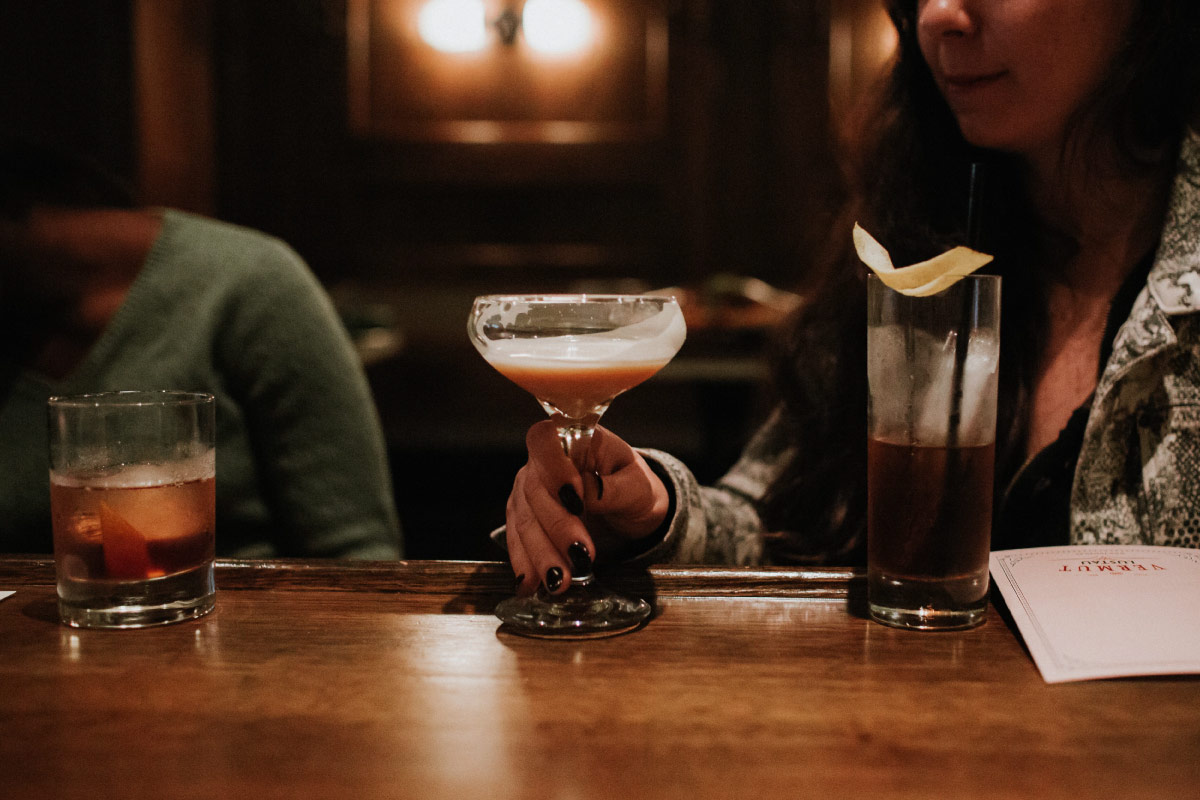
If a guest asks for a classic cocktail with more depth, a bartender can swap the sugar/syrup for PX sherry, which gives complexity and viscosity. Additionally, sherry is the perfect split-base partner. If a guest wants a Manhattan cocktail that can be consumed all night without getting tipsy, the bartender splits the base 50/50 with whiskey and oloroso. The drink keeps its tough flavor profile but drops significantly in ABV. Lastly, sherry provides acid balance without the use of citrus. Very dry sherry wines, such as fino or manzanilla contain fermentation acids that differ from the citric acid in fruit. They provide a sharp, lean acidity and salinity that cuts through fat and sugar. With many feathers in its cap, sherry is a bartender’s best friend for original creations.
Deepen your knowledge or find inspiration on our sherry-based cocktail library:
THE FUTURE OF BESPOKE COCKTAILS AS A COLLABORATIVE EXPERIENCE
The future of bespoke cocktails is shifting away from ordering a drink to creating an identity. The collaborative experience is no longer just a conversation; it is a multi-sensory, tech-assisted, and emotionally resonant partnership between the guest and the host.
Collaborative experiences now include communal serves and Martini flights designed to be built and shared by a group, turning the bespoke experience into a social bonding ritual rather than a solo transaction. Bartenders collaborate with guests to integrate functional botanicals like Ashwagandha or Lion’s Mane into bespoke low-ABV or zero-proof drinks, making the cocktail a wellness choice tailored to the individual. The future of bespoke cocktails is no longer just a beverage; it is an environment.
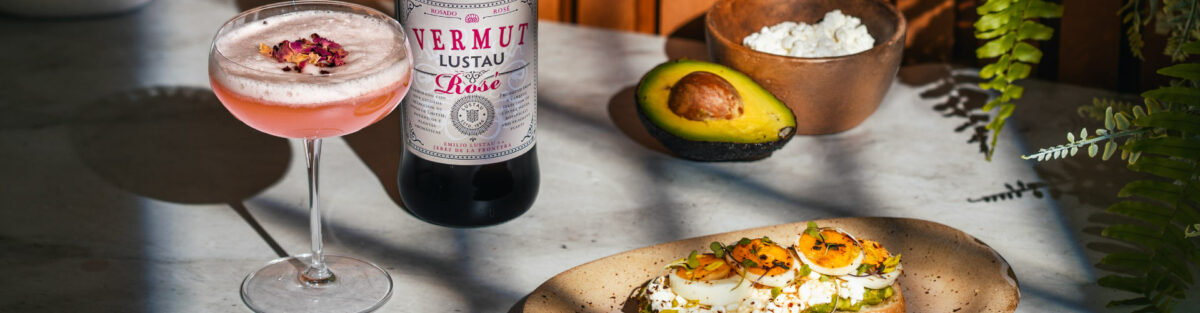
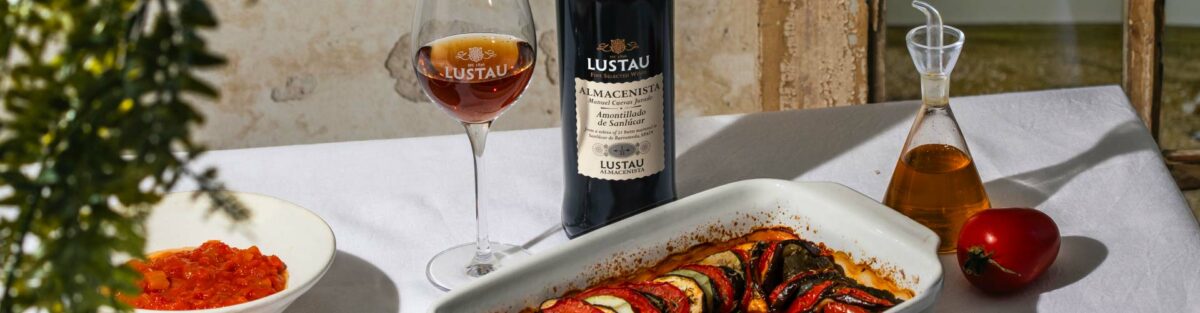
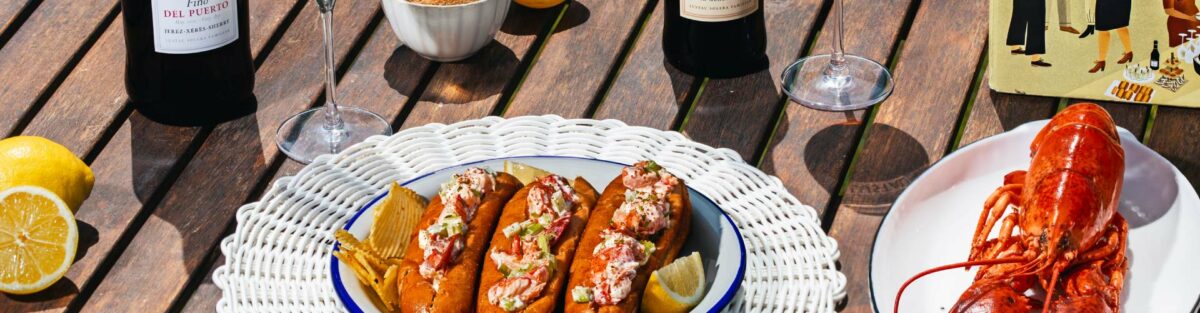
Take the challenge a step forward. Now match sherry-based cocktails with food:
FREQUENTLY ASKED QUESTIONS ABOUT BESPOKE COCKTAILS
How Does a Bespoke Cocktail Differ from a Signature Cocktail?
While both bespoke and signature cocktails represent a step up from a standard menu order, the difference lies in who the drink was designed for and how long it is intended to last. A signature cocktail represents the bar’s identity, while a bespoke cocktail represents the identity of the guest or specific moment.
Are Bespoke Cocktails Suitable for High-Volume On-Premise Venues?
Yes, but only with a hybrid strategy. While the purist definition of bespoke, a five minute diagnostic interview and a custom build, can be a service killer in high-volume venues, modern mixology has developed techniques to offer a personalized experience without breaking the workflow, such as pre-batching or limiting bespoke orders to specific “Dealer’s Choice” templates.
What Tools Help Bars Implement a Bespoke Cocktail Program?
Bespoke service requires a deep understanding of guest preferences. Today, technology acts as a second brain for the bartender, assisting with AI generated recipes, guest preference databases, and interactive menu screens. To create bespoke flavors quickly, bars are moving away from traditional pots and pans toward laboratory-grade equipment. As time moves forward, these concepts will fully integrate across the cocktail bar landscape.