






If you have recently had the opportunity to check our last article about Vermut Lustau Collection you already know that vermut (or vermouth) is a fortified and aromatized wine with a truly deep history and diverse applications, ranging from aperitifs to a very versatile cocktail ingredient. Among its various styles, vermut blanco, or white vermouth, stands out for its complex balance of sweetness, bitterness, and aromatic depth. But what exactly is a blanco vermouth, and how does it differ from other styles?
DISTINGUISHING VERMUT FROM OTHER APERITIFS
Aperitifs have long played a vital role in European drinking culture, serving both as appetite stimulants and elegant preludes to meals. Among them, aromatized wines form a broad family—subtly diverse yet unified by their base in wine and infusion with botanicals. Key members include vermouth, americano, quinquina, barolo chinato, and retsina, each distinguished by specific ingredients, techniques, and regional identity.

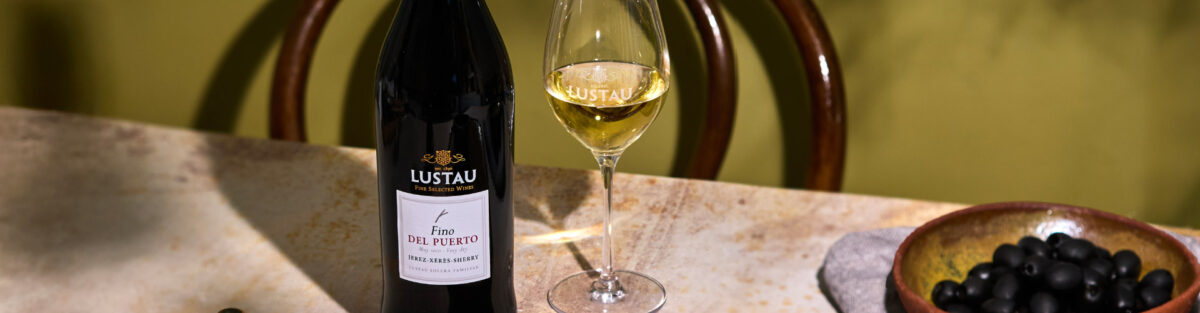
Vermouth is traditionally categorized into three primary styles: rojo (red), blanco (white), and seco (dry). Each style is distinguished by its unique color, flavor profile, botanical selection and sometimes wines used as base. White vermouth is particularly easy to identify for its bright pale yellow color, a characteristic achieved at Lustau through the addition of fino sherry wine. In this case, this wine not only imparts the signature color but also contributes to the vermouth’s complex flavor profile.
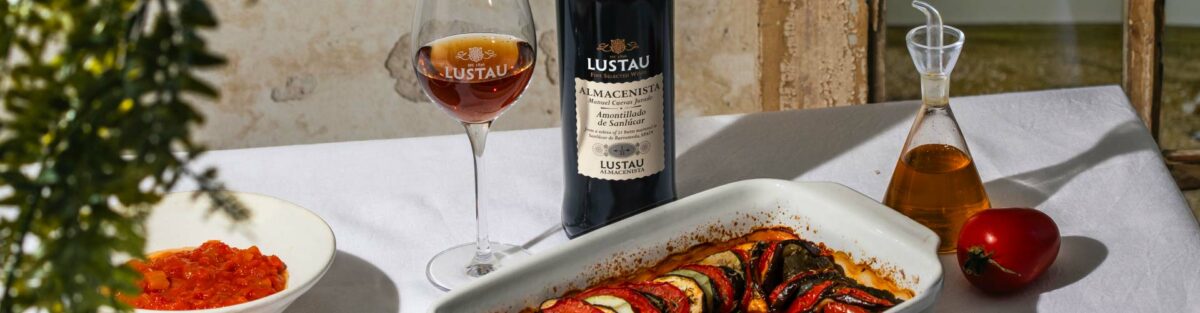
In contrast, rojo (red) vermouth typically presents a deep amber to reddish-brown hue, a characteristic achieved at Lustau through the addition of pedro ximénez wine. It leans towards spicy and fruity notes, offering a rich yet rounded, bitter-sweet palate.
You can learn everything you need to know about red vermouth below!
Seco (dry) vermouth, often clear or very light in color, is characterized by its crisp and slightly bitter profile, with herbal undertones and minimal sweetness. Made of very dry, briny wines such as manzanilla.
Rosado or Rosé, less common than the other three, blends characteristics of both red and white vermouths, typically using a rosé wine base or combining white wine with a touch of red. The Lustau recipe calls for a coupage of fino, moscatel and tintilla de rota, featuring a balanced profile with delicate floral notes, soft bitterness, and subtle spice undertone.
THE ORIGIN AND EVOLUTION OF WHITE VERMOUTH
Vermouth, like many other alcoholic beverages, has its origins in ancient Europe, particularly in Classic Greece. However, it wasn’t initially created for enjoyment but as medicine. In Greece, doctors often mixed wine with medicinal herbs to create restorative tonics with analgesic and anti-inflammatory properties. Hippocrates was the prominent figure in this practice and is traditionally believed to be one of the first to mix wine with wormwood and dittany leaves, resulting in what was called “Hippocratic wine.”
Despite vermouth’s strong connection to Mediterranean countries, it has also been quite popular in Northern Europe. For instance, in 1570, Giovanantonio Soderini wrote that vermouth had German and Hungarian origins, referring to an aromatic beverage made in the Balkans called “Polí.” The name “vermouth” itself dates back to the 18th century when these aromatized wines began to be known by this name, derived from the German “wermut.” This historical journey illustrates the widespread appeal and influence of vermouth beyond its Mediterranean roots.
To understand vermouth as a beverage for enjoyment, we need to journey further into the 19th century, arriving in Turin. Antonio Benedetto Carpano, residing in the city of Turin, received a recipe of Bavarian origin called “wermut wein,” made with a base of wine and a blend of herbs from the Alps. After many tests and blends, he managed to create a recipe that became very popular among artists and the wealthiest people of the city. This marked the birth of the aperitif wine, transforming vermouth into a beloved drink for pleasure and social enjoyment.
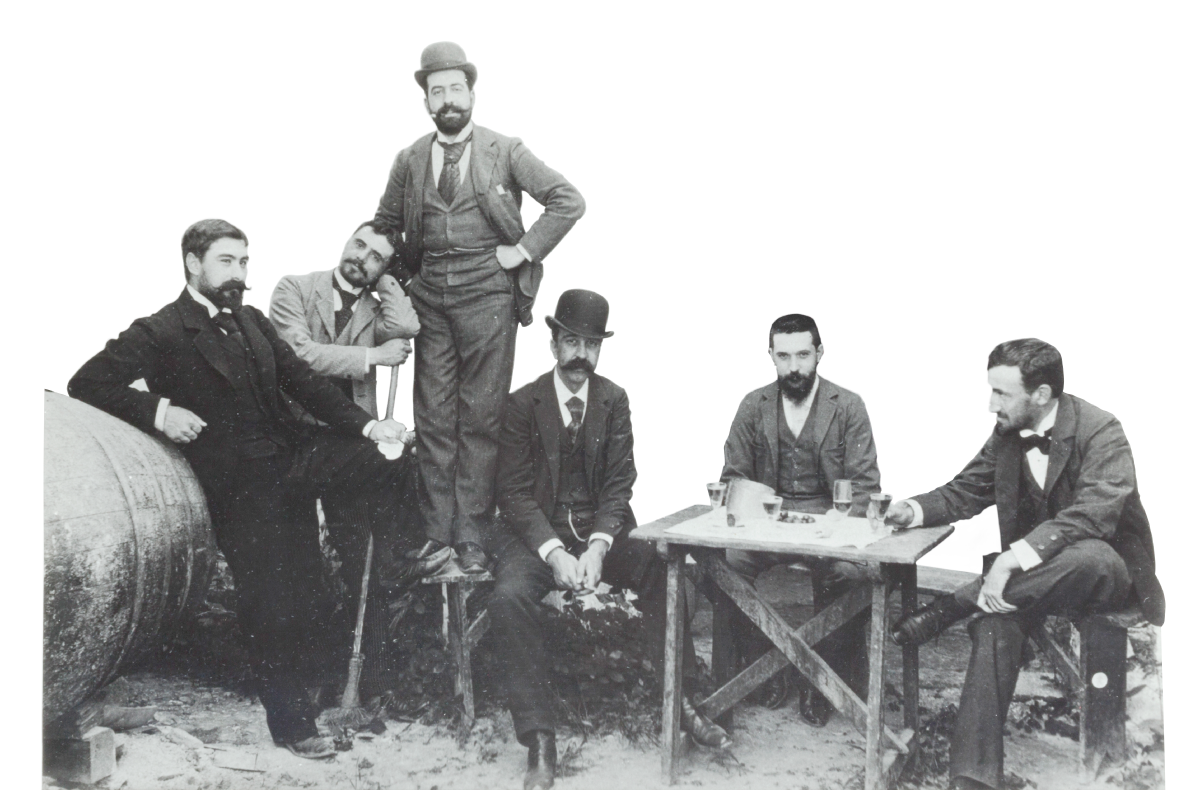
From this point forward, vermouth transcended not only the borders of Turin but also Italy’s. In 1821, Chambery vermouth emerged thanks to various producers of this region. They created a white and drier vermouth compared to the original one made in Turin. During the same era, the popularity of vermouth also reached Spain, with two main regions adopting this product and adapting it to their local and regional culture: Reus and Jerez. This expansion marked the globalization of vermouth, making it a beloved and culturally diverse drink.
White vermouth developed as a natural evolution of early vermouth styles. While red vermouth gained popularity thanks to its richness, sweetness, and spiced profile, white vermouth went in a different direction. It preserved the brightness of the base wine, emphasizing floral, citrus, and herbal elements rather than oxidative or toasted notes.
HOW WHITE VERMOUTH IS MADE
Wine Selection and Base Wine Preparation
The base wine is often chosen based on its ability to provide an integrated, structured foundation for the final vermouth. Typically, white vermouths are made from dry neutral wines, which bring versatility and create a white canvas for the botanical part to stand out.
Opposed to the general rule, Vermut Lustau Blanco is crafted with a careful selection of two expressive, full of personality wines. This base wine provides a lively, nutty, and dry character, sweetened by a floral, silky, sweet fruity wine. Fino and moscatel are responsible for Vermut Lustau Blanco, forging a genuine character in this vermouth.
Fortification and Balancing Sweetness
Before botanical maceration, the base wine is fortified with grape spirit to increase alcohol content, typically between 15-18% ABV. The reason why the majority of aromatized wines are fortified is because botanical maceration lowers alcohol content of the base wine, provoking a dilution in structure, flavor and strength and lead to a flabby texture in most of the cases. Fortification therefore is critical to get to a solid, cohesive and balanced vermouth.
Although sherry-based vermouths such as Vermut Lustau Collection are already fortified and start their journey as vermouth with a higher alcohol content than still wines, sometimes, refortification is needed.
Infusion of Botanicals: Complementing Lustau Wines
Botanicals, including plants, herbs, spices, flowers, roots, or fruits, among others, provide the characteristic flavor and aroma of vermouth. Despite the multitude of recipes and vermouth types, the aroma is often unmistakable thanks to the botanicals of the recipe. Understanding and mastering the precise contribution of each botanical will result in a balanced vermouth where each botanical plays a role in achieving a harmonious aroma and flavor.
In Vermut Lustau Blanco there is only 9 botanicals, carefully selected to enhance wine bases and complement the already lively and refreshing personality of both fino and moscatel that make this white vermouth:
1. Wormwood
2. Gentian
3. Sage
4. Coriander Seeds
5. Orange Peel
6. Chamomile
7. Rosemary
8. Thyme
9. Marjoram
Flavor profile: botanicals are responsible for the complex and unique flavors of vermouth. Ingredients like wormwood or thyme provide bitter, herbaceous, and herbal notes, creating the signature taste of this vermouth.
Aroma profile: the aromatic botanicals used in vermouth production, such as sage, marjoram, and citrus peels, contribute to its enticing scent. The combination of botanical aromas is what makes vermouth so fragrant and unique.
The extraction method: This process involves macerating or infusing botanicals to extract their essential oils and flavors. These concentrated botanical essences are then carefully blended to achieve the desired taste and aroma in vermouth. The choice of extraction method and the duration of maceration play a significant role in determining the final product’s character.
At Lustau, in order to achieve the optimum extraction of the botanical’s essence, each one is macerated separately. Afterwards, these essences and aromas are incorporated into the wines and the blend is left to repose. For 6 months the blend gains in consistency allowing both the botanical’s and the wine’s aromas to integrate perfectly.
Aging and Blending: Crafting the Final Profile
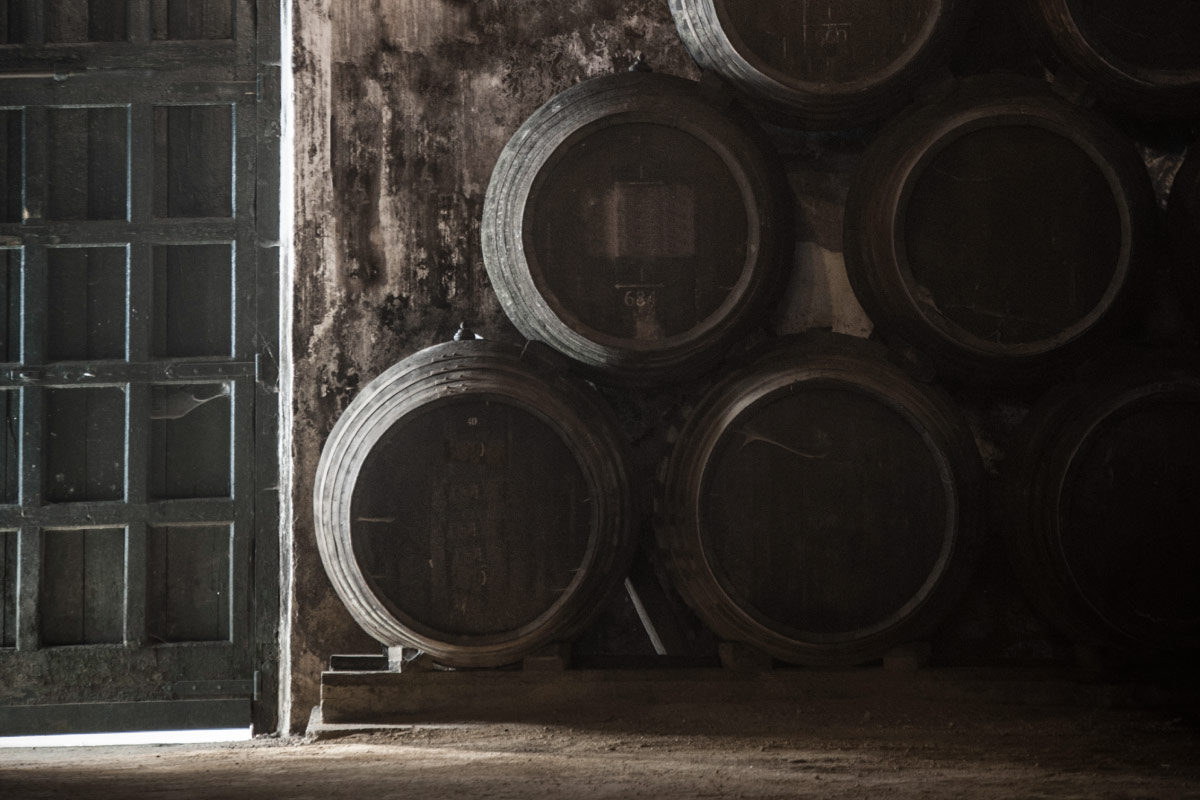
Some premium vermouths undergo a period of aging or maceration in oak barrels, enhancing complexity and mellowing the flavors. It is not the case of Vermut Lustau Collection, whose wines have been aged for years in old sherry casks following the solera and criadera system.
Bottling and Presentation
After six months of maceration Vermut Lustau Blanco is bottled in dark glass to protect the complex aromas, preserving its quality and genuineness. This vermouth’s label reflects the heritage of Bodegas Lustau and traditional and artisanal roots of this product. Elements of the label pay homage to the architecture of Jerez and Andalucía, heavily influenced by many different cultures and artistic styles.
Learn more about sherry’s legacy and the origin of the word “sherry”.
KEY CHARACTERISTICS AND FLAVOR PROFILE OF WHITE VERMOUTH
One of the most captivating aspects of Vermut Lustau Blanco lies in its different personality — a complex contrast of aromas and textures that reflect the Lustau’s characteristic versatility and diversity.
Aromas and Flavors: Floral, Citrus, Herbal, and Nutty Notes
Vermut Lustau Blanco is crafted from a blend of two iconic Lustau wines: a bone dry, mineral fino, which lends freshness and a distinctive yeasty background, and floral, silky moscatel, which contributes rich notes of white flowers and lychee. The result is a bright yellow colored vermouth with golden highlights, offering floral, citrusy and herbaceous notes over a yeasty and mineral base. The finish is bitter and clean with a long, nutty and refreshing aftertaste.
Comparing Vermut Blanco to Dry Vermouth
White Vermouth (Vermut Blanco): crafted by blending two wines: a dry, mineral and crisp fino sherry and a sweet floral moscatel wine that impact the entire personality of this vermouth. This vermouth has an intense and bright yellow color, showing floral, citrusy and herbaceous notes on the nose.
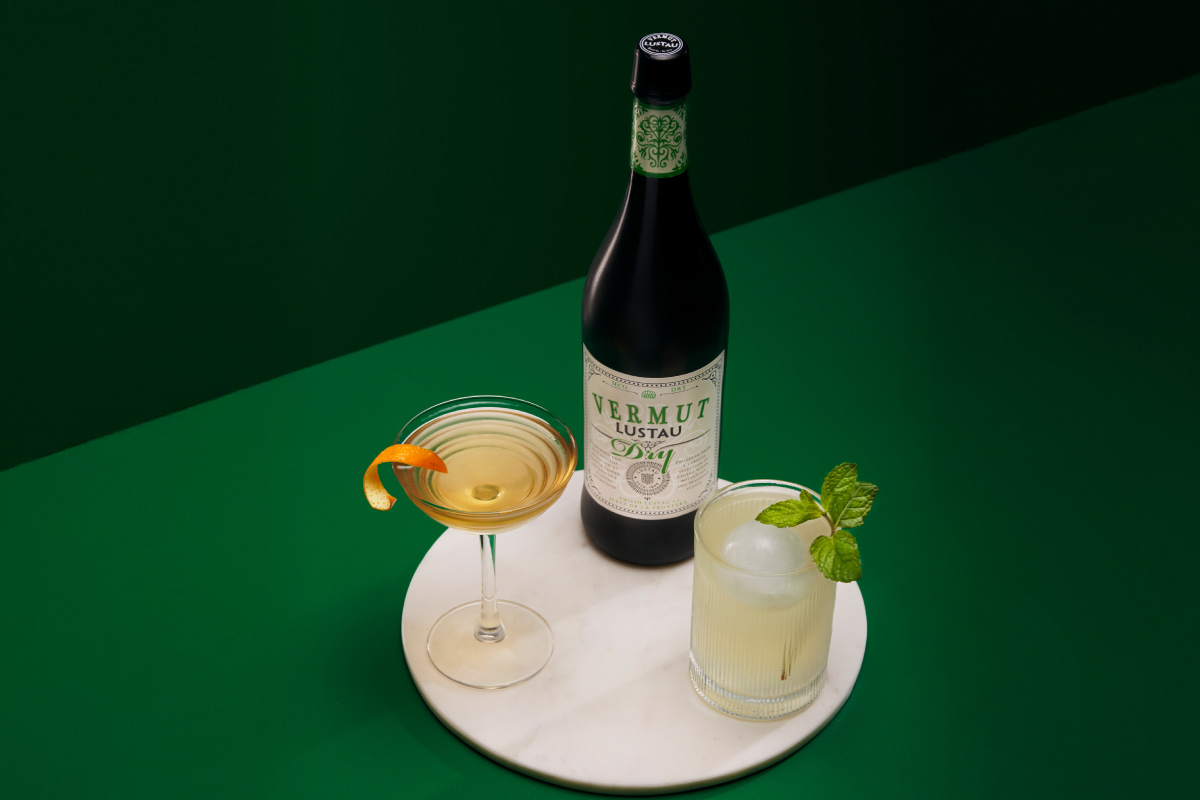
Dry Vermouth (Vermut Seco): Dry vermouth, of French origin, is quite similar to white vermouth in terms of botanical presence, typically herbs, roots, and flowers. Due to its drier and astringent profile, it is mainly used in classic cocktails. Vermut Lustau Dry is crafted with a delicate yet complex, dry and salty manzanilla, aged in Sanlúcar de Barrameda, a fishing town on the estuary of the Guadalquivir river.
FOOD PAIRINGS AND SERVING SUGGESTIONS FOR WHITE VERMOUTH
Enjoying vermouth is a delightful experience. It is used more than ever in many cocktail bars around the world. However, high quality vermouth is much more than a cocktail ingredient. Discover below different ways to enjoy vermouth.
Classic Aperitivo Pairings
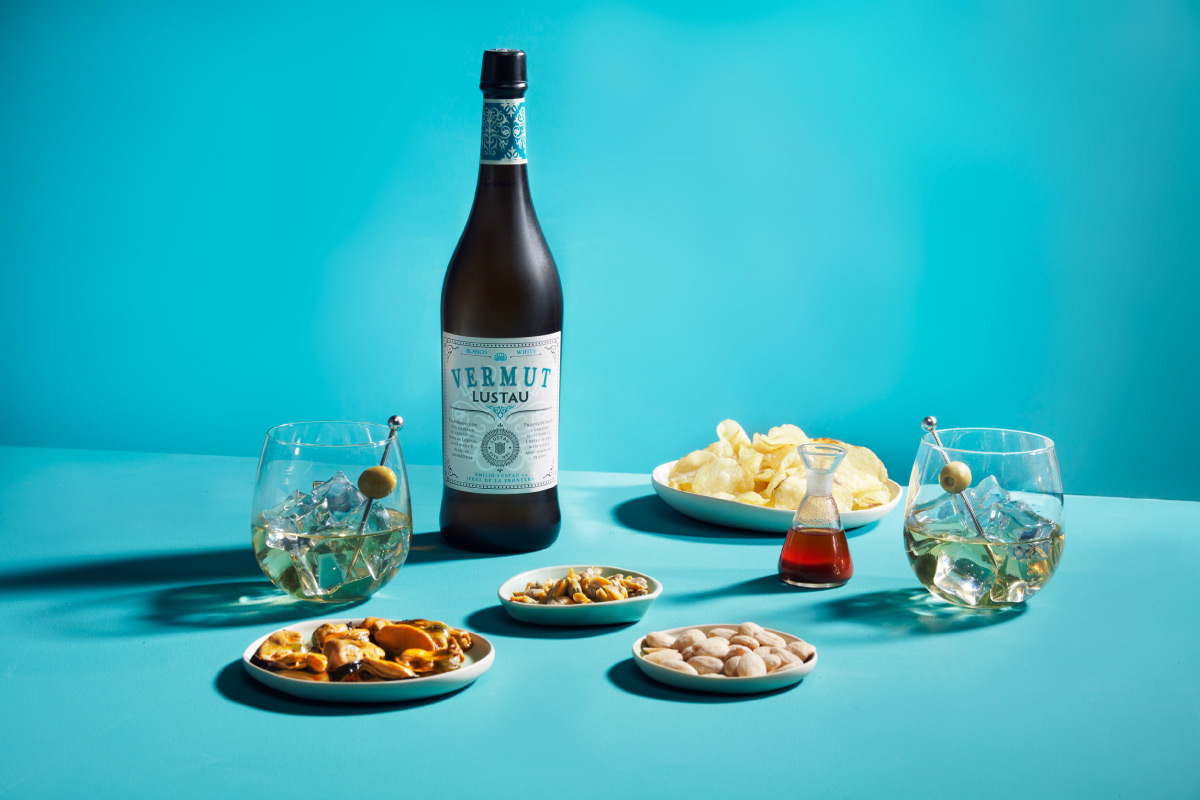
White vermouth thrives in aperitivo settings. Olives, almonds, anchovies, and light cured meats complement its herbal and saline qualities. The bitterness stimulates appetite without overwhelming the palate. But it can complement marinated meat skewers such as the local “pinchitos”.
White Vermouth with Seafood, Cheeses, and Light Dishes
Thanks to its freshness and structure, white vermouth pairs naturally with seafood. Shellfish, oysters, grilled fish, and lightly marinated dishes benefit from its acidity and herbal lift. Soft cheeses, fresh goat cheese, and young cow’s milk cheeses also work well, especially when served simply.
Serving Temperature, Ice, and Garnish Tips
White vermouth should be served chilled, ideally between 6 and 8°C. A large ice cube is preferable to crushed ice, preserving dilution control. Garnishes should enhance, not distract. For Vermut Lustau Blanco the perfect serve remains the same since this product’s inception: a green olive is the choice.
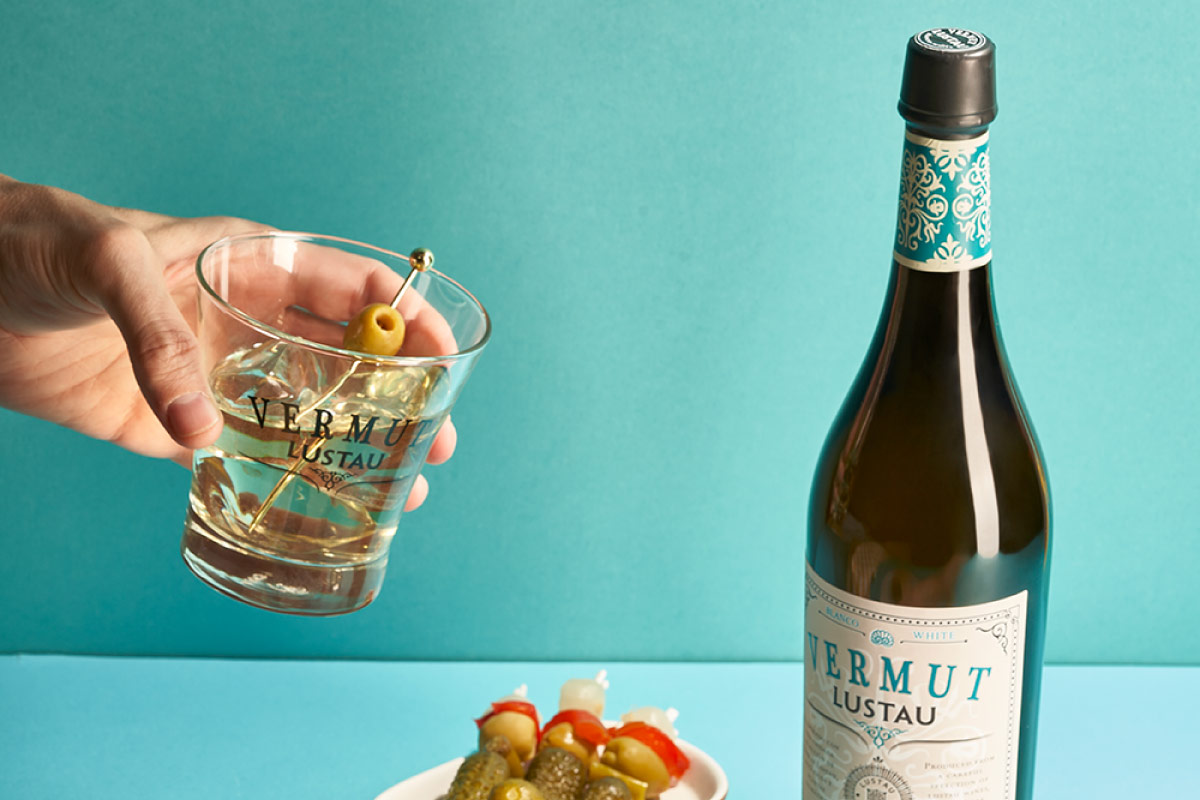
Pour some vermouth into a rock glass over ice with green olive for a simple but elegant way to enjoy vermouth. This is the most common way to drink vermouth in Spain and it is part of the aperitif hour (or in Spain, “la hora del vermut”) that calls for a glass of vermouth on the rocks served before lunch or dinner.
COCKTAILS THAT HIGHLIGHT WHITE VERMOUTH
Classic Cocktails Featuring White Vermouth
Vermouth Lustau Blanco can be a key ingredient in classic cocktails like Negroni. Vermouth is experiencing a revival in the cocktail world, with other fortified wines such as sherry wines in many modern recipes too. If you want a sherry-based cocktail, try any of these recipes.
Discover the Lustau Negroni Collection. 4 vermouths, 4 different recipes!
Modern and Low-ABV Cocktails with White Vermouth
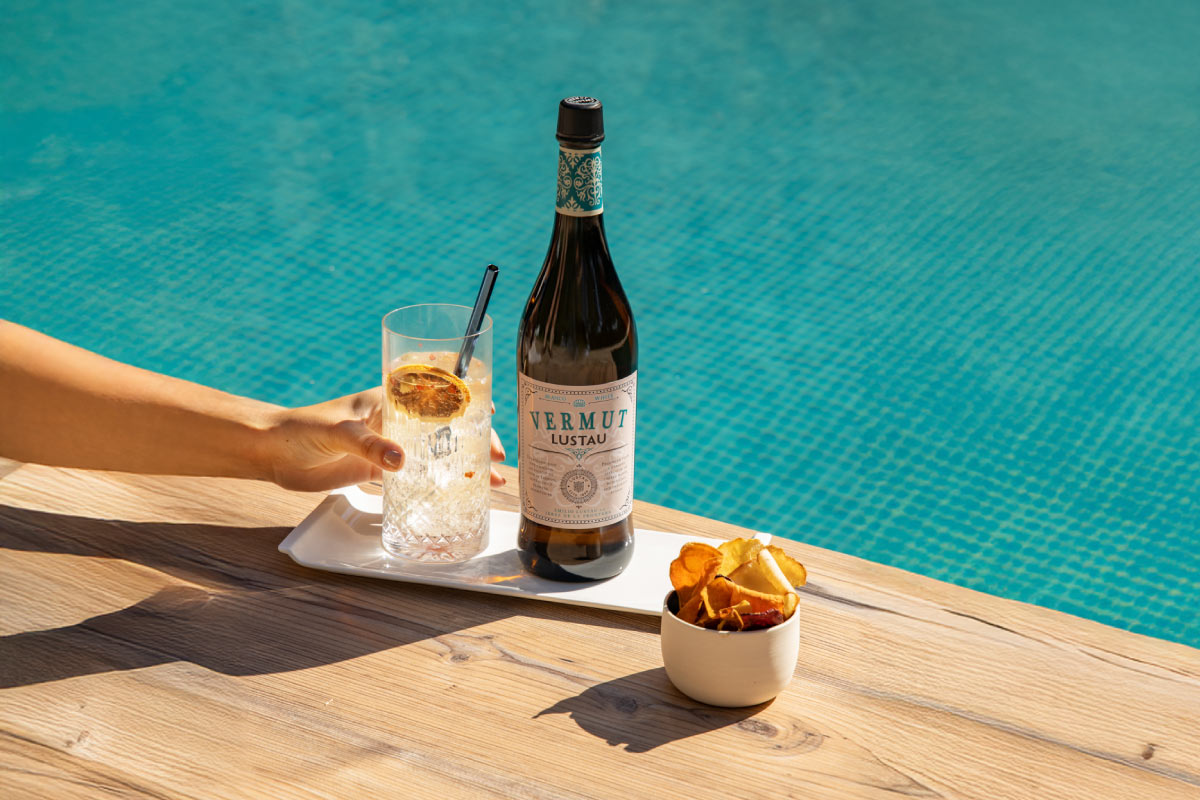
Modern cocktail culture has embraced white vermouth as a base ingredient rather than a modifier. Spritz-style drinks, vermouth and tonic serves, and low-ABV cocktails highlight its complexity while keeping alcohol levels moderate.
Learn more about low ABV cocktail culture:
Its wine-driven profile makes Vermut Lustau Blanco particularly suitable for these contemporary applications.
The Cultural and Gastronomic Value of White Vermouth
White vermouth is more than a product; it is a cultural connector. It links wine and spirits, tradition and modernity, casual drinking and technical craftsmanship.
Vermut Lustau Blanco embodies this duality. Rooted in wine heritage yet designed for today’s tables and bars, it demonstrates how white vermouth can be precise, expressive, and deeply gastronomic.
In a landscape increasingly focused on balance, transparency, and versatility, white vermouth is no longer a supporting actor. When made with intention, it becomes the main event.