







Over the past decade, the spritz has become one of the defining drinks of American social culture. Light, refreshing, visually vibrant, and easy to enjoy, it introduced a broader audience to the idea of aperitivo-style drinking—slower, lower in alcohol, and connected to conversation rather than intensity.
But drinking culture in the United States continues to evolve.
Today’s consumers are increasingly looking beyond refreshment alone. They want drinks with greater depth, more gastronomic versatility, and a stronger sense of identity. Bitterness, botanicals, lower alcohol, and savory complexity are no longer niche preferences, but central elements shaping modern hospitality. This shift is precisely when vermouth becomes especially relevant.
Unlike many spritzes, vermouth offers more than brightness and bubbles. Built on a wine base and layered with botanicals, it brings structure, texture, and herbal and aromatic complexity in a format that naturally connects with food and adapts effortlessly to different drinking occasions. In many ways, the spritz opened the door to aperitivo culture in America. Vermouth, however, may represent its next evolution.
What is aperitivo culture and why is it growing in the U.S.?
Aperitivo culture has become one of the most influential shifts in modern American drinking habits. What was once considered a distinctly European ritual has evolved into a broader movement centered around lower-alcohol drinks, food-friendly formats, and more relaxed social occasions.
As consumers move away from high-intensity cocktails, interest in vermouth, amaros, and other wine-based aperitifs continues to grow. These drinks offer a bitter grip, freshness, and complexity in a format that feels both refreshing and gastronomic. Their versatility before dinner, alongside food, or across longer gatherings makes them especially relevant within today’s evolving hospitality landscape.
Read our past post on Aperitivo Time here:
The rise of aperitivo moments beyond traditional cocktails
In the United States, drinking culture has expanded well beyond the classic spritz. Consumers are increasingly embracing drinks that feel lighter, more adaptable, and more connected to food. Vermouth served over ice, wine-based aperitifs, and low-ABV cocktails are becoming common features in bars and restaurants where guests prefer a slower and more flexible style of drinking.
Drinks are no longer expected to dominate the experience. Instead, they are becoming part of a larger gastronomic environment—designed to accompany conversation, small plates, and extended social occasions. As a result, aperitivo culture USA drinks are becoming less centered on spectacle and more focused on balance, versatility, and drinkability.
How bitterness, botanicals, and balance are shaping new drinking habits
One of the clearest signs of this evolution is the growing appreciation for bitterness and botanical complexity. American consumers have become increasingly comfortable with flavors that once felt niche or challenging: herbal tension, citrus peel, gentian, spice, and savory aromatics. These elements create drinks that feel more layered and gastronomic, encouraging slower and more attentive consumption.
Discover below what is trendy now in the culinary world:
At the same time, moderation and balance are becoming more important than sheer intensity. Rather than pursuing maximum sweetness or alcohol, many drinkers are gravitating toward beverages that feel structured, refreshing, and nuanced.
This is one reason the botanical bitter drinks trend continues to grow. Vermouth naturally combines many of the qualities modern consumers are seeking—wine-based freshness, aromatic depth, moderate alcohol, and the ability to engage seamlessly with food.
Why vermouth is becoming America’s new aperitif
Vermouth occupies a unique position within modern drinking culture. It delivers many of the qualities consumers increasingly seek today—moderate alcohol, savory edge, aromatic complexity, and strong compatibility with food—while remaining remarkably adaptable across different occasions and styles of service.
What makes vermouth especially compelling is that it does not feel limited to a single role. It can function as an aperitif, a cocktail ingredient, a food pairing tool, or a simple standalone serve. This flexibility allows it to move naturally between casual and more culinary settings, giving it a relevance that extends far beyond trend alone.
From supporting ingredient to center-stage drink
For decades, vermouth was often treated primarily as a supporting ingredient in classic cocktails. While essential to drinks such as the Martini or Manhattan, it frequently remained secondary to the base spirit itself. That perception is now changing.
Bartenders and consumers increasingly recognize vermouth as a complete drink in its own right—one capable of delivering complexity, structure, and satisfaction without requiring high alcohol or elaborate preparation. Served chilled over ice with a simple garnish, it offers an experience that feels both refined and approachable.
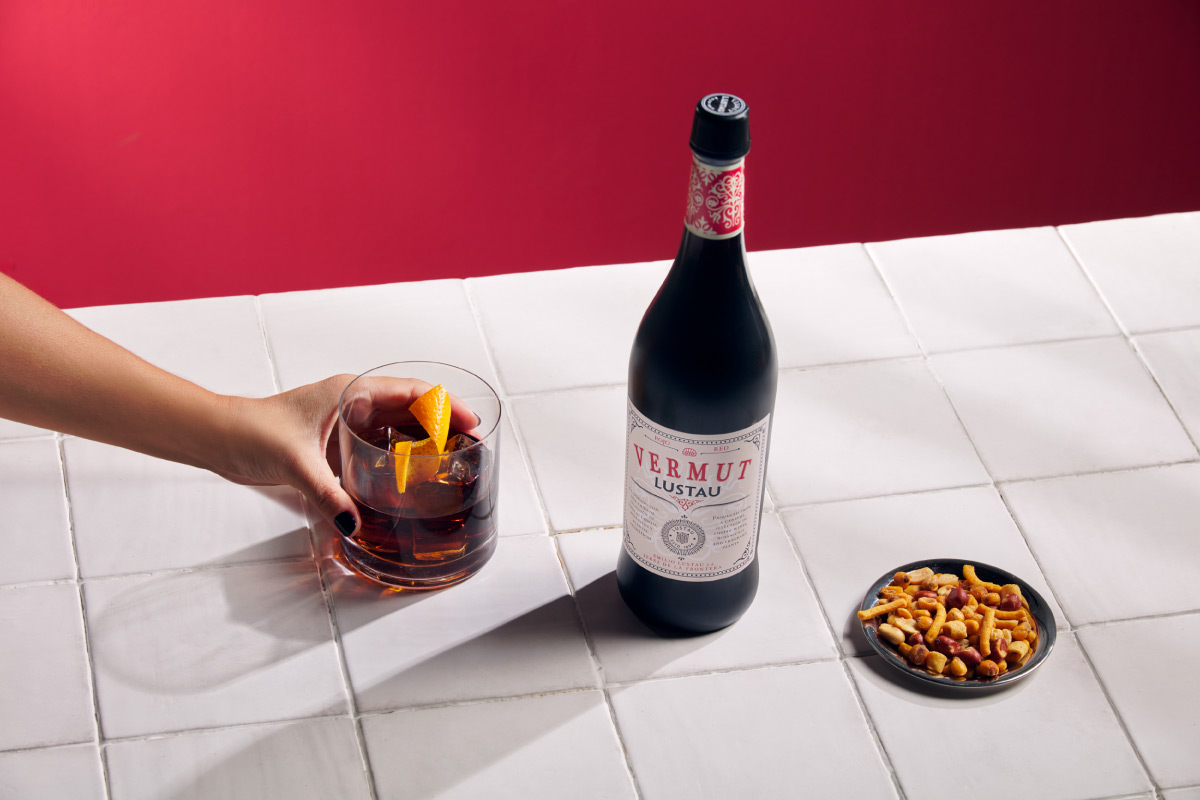
This evolution reflects a broader shift in hospitality, where simplicity and balance are becoming more valued than excessive construction or intensity.
How vermouth aligns with the shift toward moderation and complexity
As consumers become more conscious of alcohol intake, many are seeking drinks that feel lighter without sacrificing character or sophistication. Vermouth responds naturally to this demand. Its wine base keeps alcohol levels relatively moderate, while botanicals, herbal tension, and subtle sweetness create a layered and engaging profile.
This balance makes vermouth particularly relevant within the low alcohol aperitif drinks trend. It satisfies the growing desire for drinks that can accompany longer meals, daytime occasions, and food-led social experiences without feeling excessive. Rather than reducing complexity, moderation in this context becomes part of the appeal.
Vermouth vs spritz: why vermouth fits better today
TThe rise of the spritz helped introduce a broader audience to aperitivo-style drinking in the United States. Its refreshing profile and approachable format made it an ideal gateway into lower-alcohol cocktails and daytime social drinking.
But as consumer preferences continue to evolve, many drinkers are beginning to look for something with greater depth, versatility, and gastronomic relevance. This is where vermouth increasingly distinguishes itself.
Explore how sherry wines elevate low-ABV cocktails:
Beyond bubbles: depth, structure, and gastronomic versatility
One of vermouth’s greatest advantages is its ability to function beyond simple refreshment. While spritzes often emphasize brightness and effervescence, vermouth offers greater aromatic depth and structural complexity. Savory edge, botanicals, spice, citrus peel, and subtle oxidative notes create a profile that evolves more gradually across the palate.
This added dimension makes vermouth particularly effective in gastronomic settings. It can accompany salty snacks, preserved seafood, cured meats, olives, cheeses, and a wide range of small plates without losing definition or balance.
Such as this cheese board idea:
Vermouth feels less disconnected from food and more integrated into the broader dining experience.
Why consumers are moving toward more sophisticated aperitif options
As aperitivo culture matures in the U.S., consumers are becoming more selective about what they drink and why. There is growing interest in beverages that feel more distinctive, more rooted in craftsmanship, and less dependent on novelty alone. This evolution is
favoring categories such as vermouth, which combine accessibility with nuance. A well-made vermouth can feel refreshing and easy to drink while still offering depth, texture, and a strong sense of identity.
In this context, the question is no longer simply what to drink instead of a spritz, but what kind of aperitif best reflects the direction modern drinking culture is taking.
The role of Lustau vermut in the new aperitif movement
Within this evolving aperitif landscape, Vermut Lustau occupies a particularly distinctive position. Built on a foundation of sherry wines and layered with carefully selected botanicals, it combines the structure and depth of wine with the aromatic complexity expected from a modern aperitif.
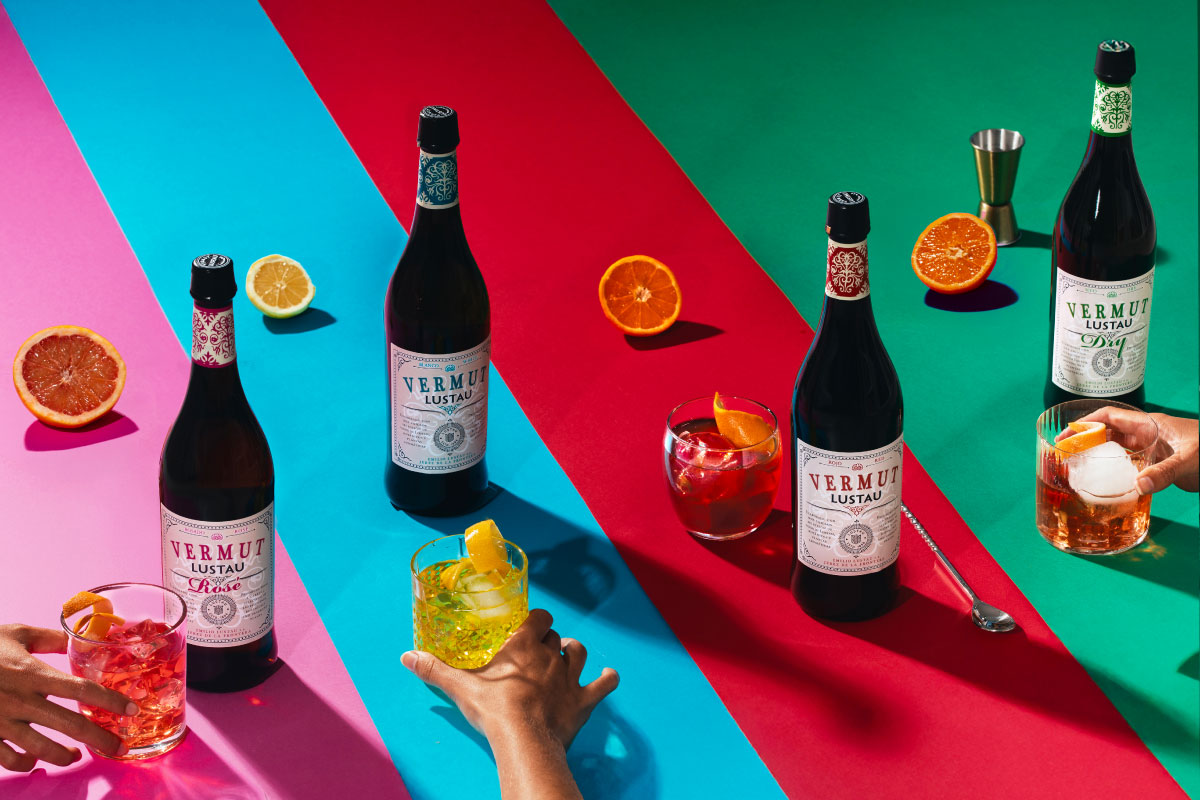
What separates Vermut Lustau from many contemporary aperitif drinks is its strong gastronomic identity. Rather than functioning purely as a refreshing cocktail component, it feels naturally connected to food—equally comfortable alongside olives, conservas, cured meats, cheeses, or more elaborate small plates.
At the same time, Vermut Lustau reflects many of the qualities driving the vermouth aperitif trend: bitterness balanced by freshness, moderate alcohol, botanical depth, and a drinking experience built more around rhythm and flavor than sheer intensity.
As American aperitivo culture continues to evolve, Vermut Lustau demonstrates why vermouth increasingly feels less like a passing trend—and more like a natural direction for modern hospitality.
How to serve Vermut Lustau for the perfect aperitif experience
One of vermouth’s greatest strengths is its simplicity. Without elaborate preparation, temperature, dilution, garnish, and balance are often enough to create a deeply satisfying aperitif experience. This adaptability keeps vermouth relevant across casual daytime occasions, elegant pre-dinner moments, and contemporary cocktail settings alike.
Classic serve: chilled, over ice, with citrus or olive
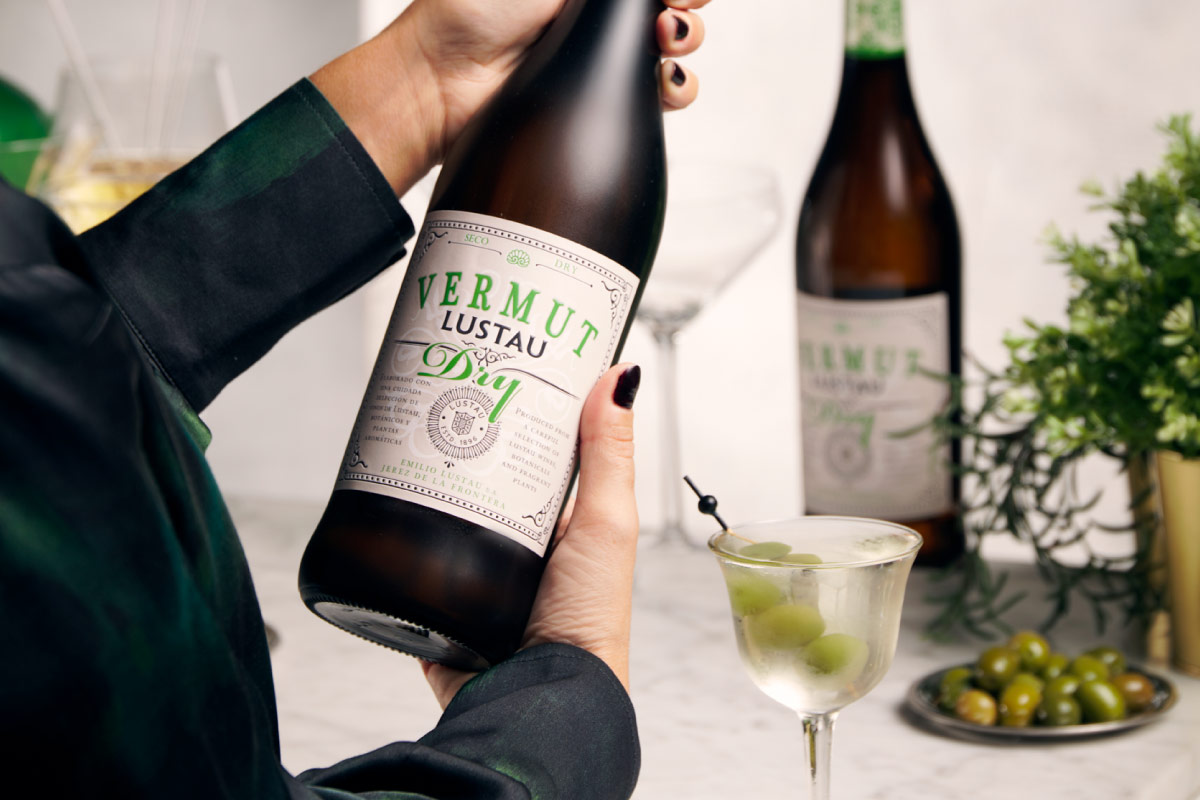
The classic vermouth serve remains one of the most effective.
Served well chilled over ice, Vermut Lustau naturally highlights its balance of bitterness, sweetness, botanicals, and wine-based structure. A citrus peel can emphasize freshness and aromatic lift, while an olive introduces a more savory dimension that connects beautifully with the vermouth’s depth.
This style of service reflects the essence of aperitivo culture itself: uncomplicated, balanced, and designed to stimulate both appetite and conversation.
Elevated serves and simple vermouth-forward cocktails
Beyond the classic serve, vermouth adapts effortlessly to more contemporary aperitif formats.
A splash of soda water can add freshness and length, while tonic introduces additional bittersweet profile and structure. Vermouth also performs beautifully in low-ABV cocktails, where its botanical complexity and wine base provide depth without excessive alcohol.
Just Vermut Lustau and soda:
For bartenders, this flexibility creates significant creative potential. Vermouth can support citrus, herbs, spice, and deep-flavor ingredients while still preserving its own identity within the drink.
Vermut Lustau pairing and serving approaches embrace this balance between simplicity and sophistication—allowing the vermouth itself to remain at the center of the experience rather than disappearing behind excessive technique.
When to enjoy vermouth as an aperitif
Pre-dinner moments and social gatherings
Vermouth feels especially natural before a meal.
Its bitterness and botanical complexity stimulate the palate, while its moderate alcohol content encourages a slower and more relaxed style of drinking. Served alongside olives, nuts, conservas, or small savory bites, it creates an aperitif experience that feels both casual and refined.
Daytime drinking and low-alcohol occasions
As daytime drinking and lower-alcohol consumption become increasingly common, vermouth fits naturally into the changing rhythm of hospitality.
Whether served over ice, lengthened with soda, or incorporated into lighter cocktails, it responds perfectly to occasions where refreshment and complexity need to coexist.
This is one reason the low alcohol aperitif drinks trend continues to evolve beyond simple spritzes and toward more wine-based aperitif options.
Gastronomic pairings and food-led experiences
One of vermouth’s greatest advantages over many aperitif cocktails is its great relationship with food. Its wine base and botanical structure allow it to integrate naturally into a wide range of culinary contexts.
This versatility gives vermouth a stronger role within modern dining culture, where drinks are increasingly expected to interact with food rather than exist separately from it.
Frequently asked questions about vermouth and aperitivo culture
Why is vermouth trending in the U.S.?
Vermouth fits naturally within several evolving drinking trends in the U.S., including lower-alcohol consumption, aperitivo culture, and growing interest in bitterness and botanical complexity. Its versatility, food compatibility, and moderate alcohol content make it especially relevant in modern hospitality.
Is vermouth lower in alcohol than spritzes?
Not always. Many vermouths have a slightly higher alcohol content than a traditional spritz, depending on how the spritz is prepared. However, vermouth is still considered a moderate-alcohol option, particularly when served over ice or lengthened with soda water.
How should Vermut Lustau be served for the best experience?
Vermut Lustau is best served well chilled, over ice, in a wine glass or tumbler. A citrus peel highlights freshness and aromatics, while an olive creates a more savory aperitif expression. It can also be lengthened with soda or incorporated into simple vermouth-forward cocktails.