






In recent years, both kitchens and cocktail bars have undergone a subtle but decisive shift. The focus has moved away from over intensity toward something more nuanced: flavors that are layered rather than loud, savory rather than sweet, and structured rather than purely aromatic.
Chefs are embracing fermentation, aging, and global influences to build depth into their dishes. Bartenders, in parallel, are rediscovering bitterness, botanicals, and lower-alcohol formats, crafting drinks that feel more integrated with food and more attuned to the rhythm of modern dining. These evolving food and cocktail trends are not isolated developments, but part of a shared direction—one that values balance, texture, and a deeper expression of flavor.
In this landscape, sherry wines and vermouth are not newcomers adapting to change. They are, in many ways, perfectly suited to it.
The Rise of Flavor-Driven Dining and Cocktail Culture in 2026
Across both restaurants and bars, flavor is no longer approached as a single note, but as a composition. Dishes and drinks are increasingly built around contrast, progression, and balance—where each element serves a purpose, and nothing feels accidental.
These shifts are reflected across the industry, from bar professionals identifying emerging cocktail flavors to chefs emphasizing fermentation, texture, and global influence. Rather than seeking immediate impact, today’s guest is drawn to complexity that unfolds over time: layers of savory depth, subtle bitterness, and textural contrast, all working toward a sense of harmony. Many of today’s most influential flavors and ideas are not entirely new, but reinterpretations of long-standing techniques and traditions, expressed through a contemporary lens.
Why Modern Hospitality Is Defined by Bold, Layered Flavors
Modern hospitality is defined by its ability to create dimension.
In the kitchen, this comes from fermentation, aging, and reduction. Ingredients like miso, aged vinegars, cured elements and slow-cooked preparations create depth beyond surface flavor.
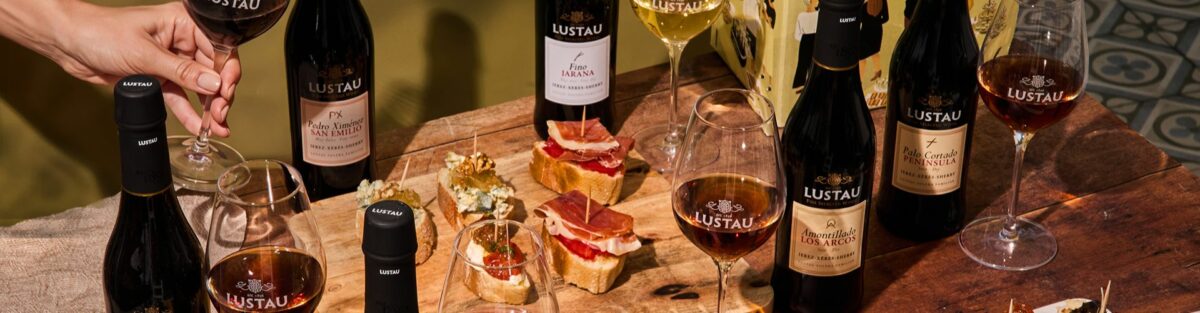
A basic that connects with this concept: manzanilla and jamón ibérico:
At the bar, the same philosophy applies. Bartenders move away from sweetness toward structure, integrating bitterness, acidity, and aromatics. The result is a style of cocktail more connected to the culinary world and more adaptable to food.
How Fortified Wines and Vermouth Fit into Contemporary Trends
In this changing landscape, fortified wines and vermouth are uniquely positioned.
Sherry, shaped by biological and oxidative aging, offers a wide spectrum of flavors—from saline freshness to deep, nutty complexity. Its dryness, structure, and affinity with umami-driven dishes make it highly versatile in modern pairings.
Vermouth, on the other hand, aligns naturally with modern cocktails. Its balance of bitterness, botanicals, and subtle sweetness allows it to integrate into drinks that prioritize aroma, length, and balance.
Together, they bridge kitchen and bar—not as novelties, but as foundational tools.
Umami-Forward Flavors and the Role of Sherry
Sherry fits naturally into this approach. Long before umami-driven cuisine became a trend, sherry explored similar dimensions through its aging processes. Instead of relying on primary fruit, it develops through yeast, oxygen, and time—producing saline, nutty, and savory profiles. This makes it a powerful tool in modern food pairing.
Learn more about how sherry and umami flavors relate:
Fermentation, Aged Ingredients, and Savory Depth
Modern cuisine has embraced fermentation as a way to create complexity. Ingredients like miso, soy, and fermented vegetables add layers beyond salt or acidity, creating deeper, more resonant profiles.
Sherry mirrors this. Biological aging under flor brings almond, dough, and salinity, while oxidative aging adds toasted nuts and spice. In both cases, flavor develops through transformation rather than addition. This shared foundation makes sherry highly effective in contemporary pairings.
Why Amontillado, Oloroso, and Palo Cortado Elevate Umami-Rich Dishes
Among the different styles of sherry, amontillado, oloroso, and palo cortado are particularly well suited to umami-driven cuisine.
– Amontillado, with its dual aging, combines freshness with oxidative depth, making it highly adaptable across preparations that balance richness and lift.
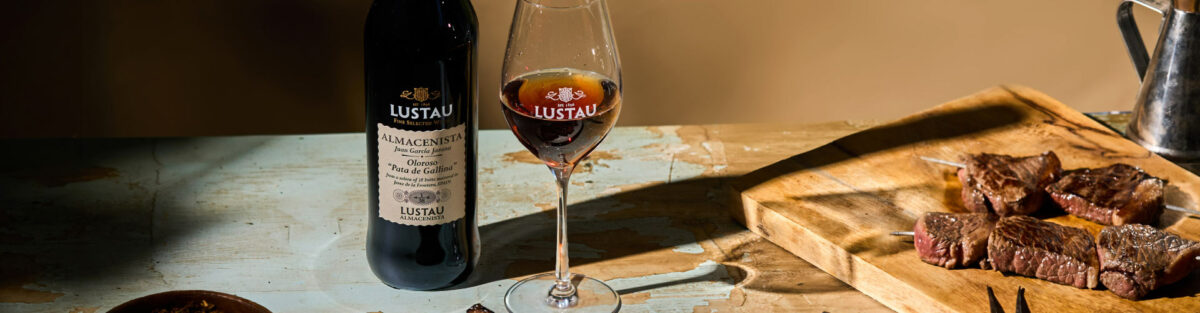
– Oloroso, by contrast, leans fully into oxidative development. Its broader structure and pronounced nutty and spiced notes allow it to engage with more intense dishes.
– Palo cortado occupies a more nuanced space, bridging elegance and power. It offers the finesse of biological aging alongside the depth of oxidation, making it especially effective with dishes that combine delicacy and complexity.
Together, they move across the full spectrum of umami, enhancing and framing modern flavors.
Bitter, Herbal, and Botanical Profiles in Modern Cocktails
The Return of Bitterness in Cocktail Culture
Bitterness, once seen as challenging, is now being rediscovered as a source of balance and sophistication. Bartenders are now using ingredients like gentian and wormwood to add complexity and length. At the same time, low-ABV cocktails are gaining relevance. Without high alcohol, balance relies on the interplay of bitterness, acidity, and aromatics.
How Lustau Vermouth Enhances Botanical and Aromatic Drinks
Vermouth Lustau Collection fits naturally into this landscape. Built on a base of sherry and infused with a carefully selected blend of botanicals, it brings both depth and versatility. Its profile—combining bitterness, subtle sweetness, and aromatic lift—allows it to function not only as a modifier, but as a structural element within a cocktail.
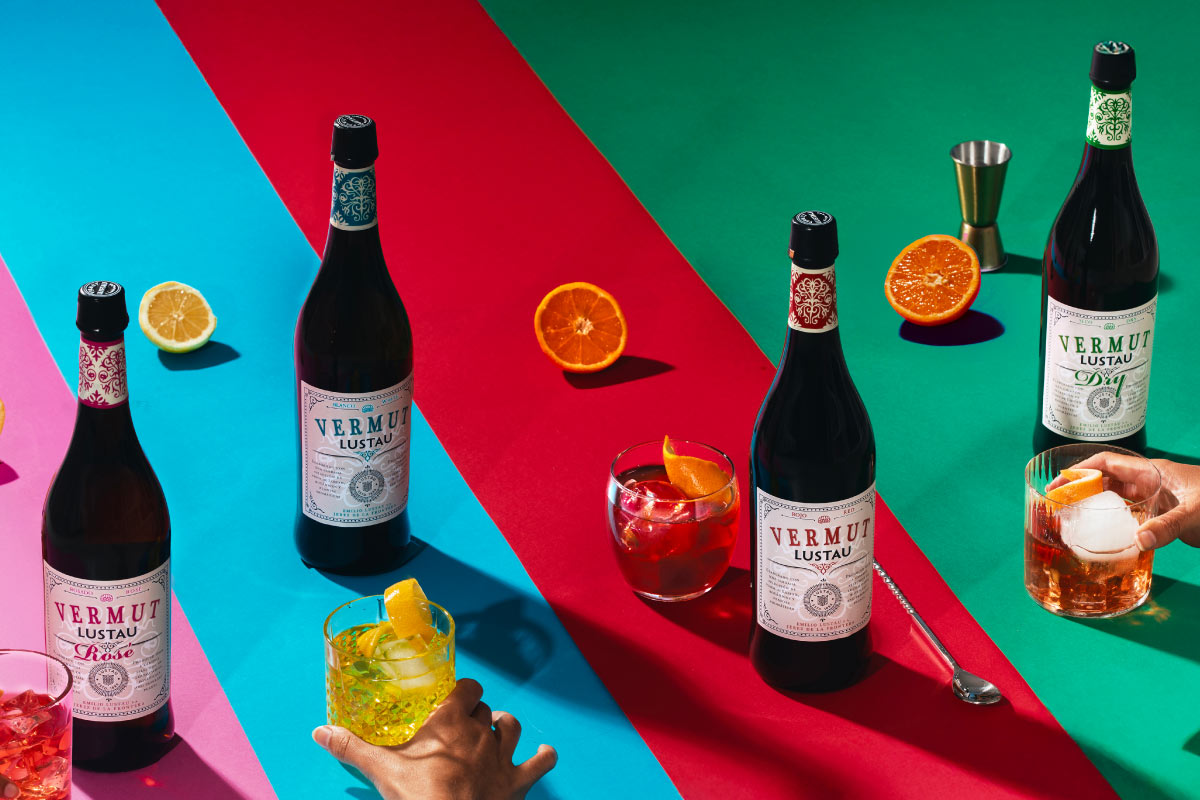
In practice, it can lengthen drinks, soften sharper edges, and add complexity without overwhelming the composition.. Lustau vermouths offer a way to engage with this trend while maintaining a clear sense of identity.
Texture as a Defining Element: Creamy, Crisp, and Layered
Texture shapes experience as much as flavor. Modern cuisine and cocktails emphasize contrast: crisp vs. creamy, light vs. dense, structure vs. softness. These interactions create movement, turning dishes and drinks into dynamic experiences.
Sherry, particularly biologically aged styles, plays a key role in this framework.
Contrasting Textures and Why They Matter in Pairing
Texture is central to how we perceive balance. Rich dishes benefit from elements that bring lift, while lighter dishes may need structure. Pairing becomes a dialogue between textures rather than just flavors. Crisp wines sharpen creamy elements; rounder profiles soften sharper edges.
Sherry’s diversity makes it especially effective when texture is central. You have below a couple of pairings to experiment with this idea!
How Fino and Manzanilla Complement Modern Culinary Techniques
Fino and manzanilla excel in this textural dialogue. Their defining characteristic is lightness—dry, precise, and almost weightless on the palate. This is partly due to biological aging under “flor”, which shapes their aromatic profile while reducing glycerol, resulting in a lean, incisive texture. This allows them to cut through richness and refine heavier dishes.
They also pair naturally with fresh, precise techniques—raw preparations, light curing, and clean flavors. In modern kitchens, they add clarity and balance without dominating.
Global Street Food Influences and Fortified Wine Pairings
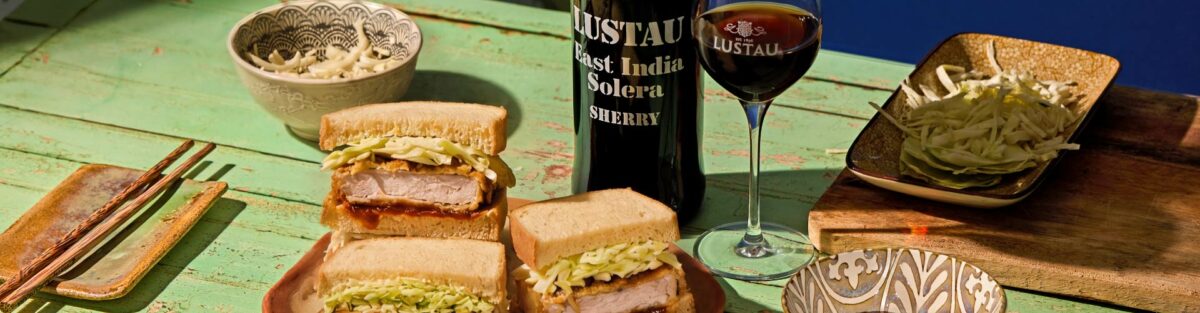
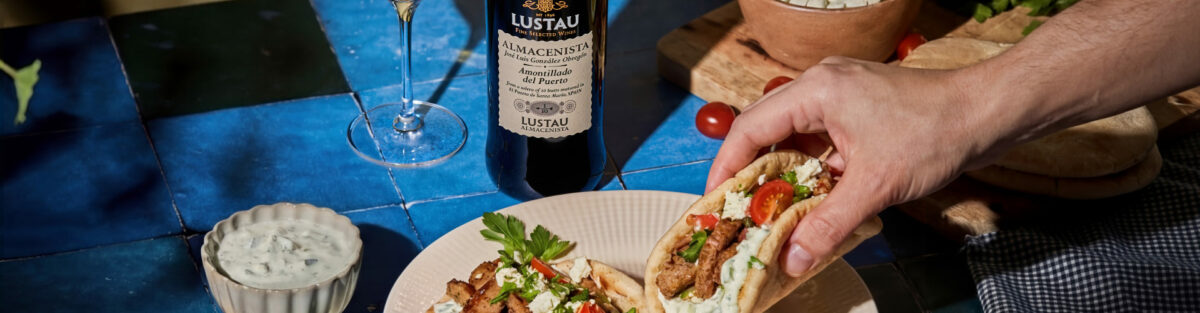
Street food has evolved into a refined culinary influence. Chefs reinterpret global traditions with greater precision, creating a style that is casual in format but sophisticated in execution. Fortified wines fit naturally here, thanks to their structure and versatility.
This connection is not new. At elBulli, sherry was used across entire tasting menus, progressing from freshness to depth. The strength of this approach was coherence—adapting across textures and intensities without losing identity.
Today, this feels less surprising and more inevitable.
Pairing Lustau Sherry and Vermouth with International Flavors
Lustau sherry and vermouth are particularly well suited to this environment.
The diversity of sherry styles allows for a wide range of matches across global cuisines. Vermouth, with its balance of bitterness and aromatics, complements dishes built around herbs, spices, and layered seasoning—whether in a cocktail or as a standalone serve. This versatility defines many current Lustau sherry pairing ideas: not rigid matches, but flexible frameworks that adapt to the evolving language of global cuisine.
You have an almost endless pairing library to discover now:
The Perfect Serve: How to Use Lustau Sherry and Vermouth in Modern Pairings and Cocktails
Understanding flavor trends is only part of the equation. The real impact lies in how these ideas are applied—through service, temperature, glassware, and the interaction between food and drink.
In modern hospitality, the “perfect serve” is no longer defined by rigid rules, but by intention: presenting sherry and vermouth in a way that highlights their structure, respects their balance, and aligns with the rhythm of contemporary dining and drinking.
You have an almost endless classic cocktail library to discover now:
Serving Lustau Sherry with Contemporary Cuisine
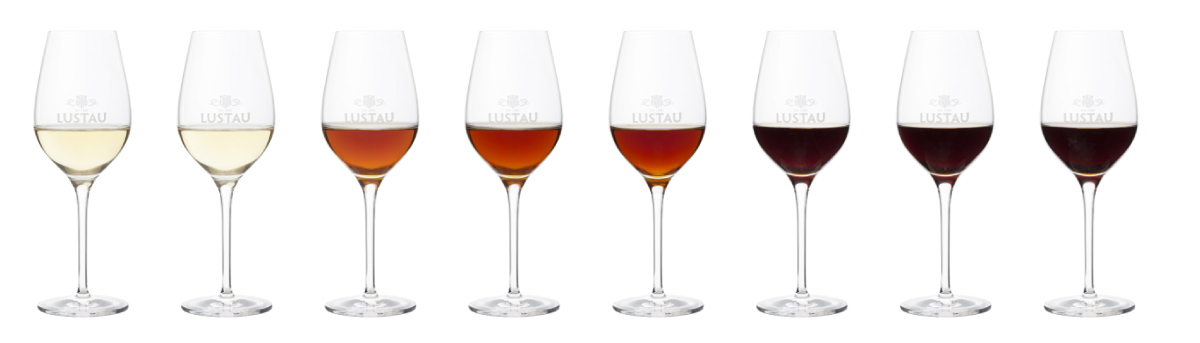
Sherry should be treated as a table wine.
– Fino and manzanilla: 6–8°C (43–46°F).
– Amontillado, palo cortado, oloroso: 12–14°C (54–57°F).
A white wine glass allows the wine to open fully. In pairing, sherry should sit alongside the dish, enhancing contrast, umami, and texture without being secondary.
Creating Trend-Forward Cocktails with Lustau Vermouth
In the bar, vermouth brings a different kind of versatility—one rooted in balance and adaptability. As cocktail culture moves toward lower alcohol and greater aromatic complexity, it becomes a natural foundation. It can lengthen drinks, introduce bitterness, or add botanical depth without overwhelming the composition.
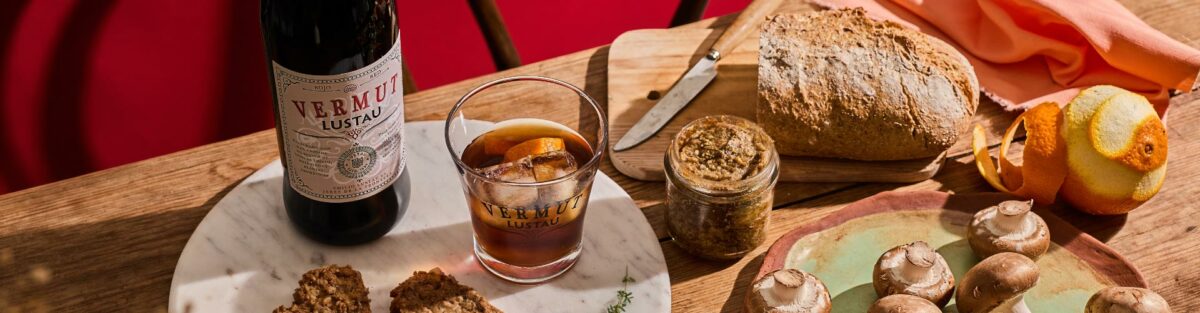
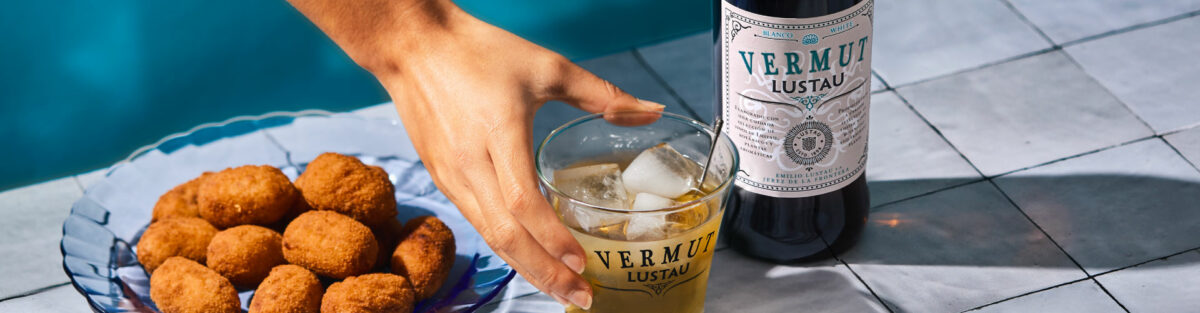
Simple serves are often the most effective. A well-chilled vermouth over ice, finished with a citrus peel or an herbal garnish, complements the growing interest in aperitivo-style drinking. At the same time, it works gracefully in more complex builds, supporting spirits rather than competing with them.
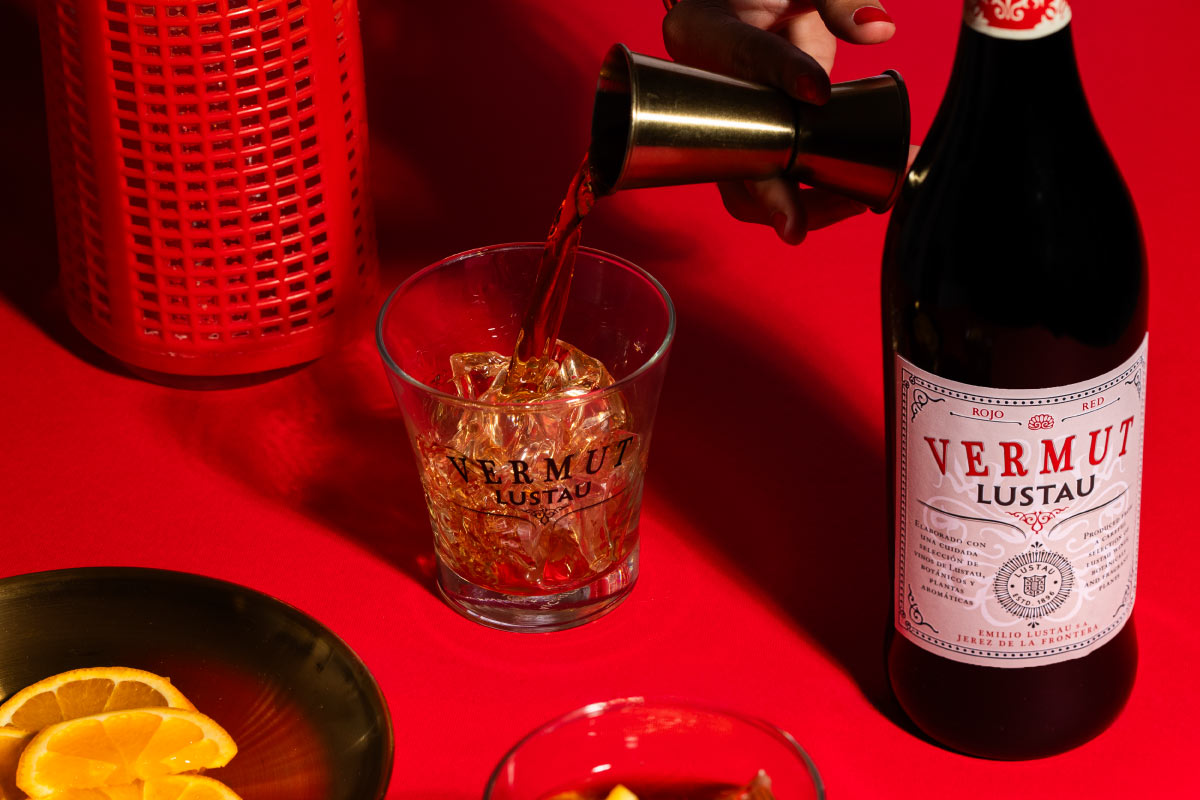
For bartenders exploring how to use sherry in cocktails, vermouth and sherry can also work in tandem—combining structure, aromatics, and depth to create drinks that feel both modern and grounded in tradition.
When to Serve Lustau Sherry and Vermouth in Modern Hospitality Settings
Aperitivo and Low-ABV Cocktail Programs
One of the most visible shifts in recent years has been the rise of aperitivo culture and lower-alcohol drinking. Guests are seeking drinks that can be enjoyed over longer periods—refreshing, balanced, and engaging without being overwhelming. This has sparked renewed interest in vermouth and lighter fortified wines, which naturally fit these preferences.
Learn more about the aperitivo moment here:
Modern Gastronomy and Tasting Menus
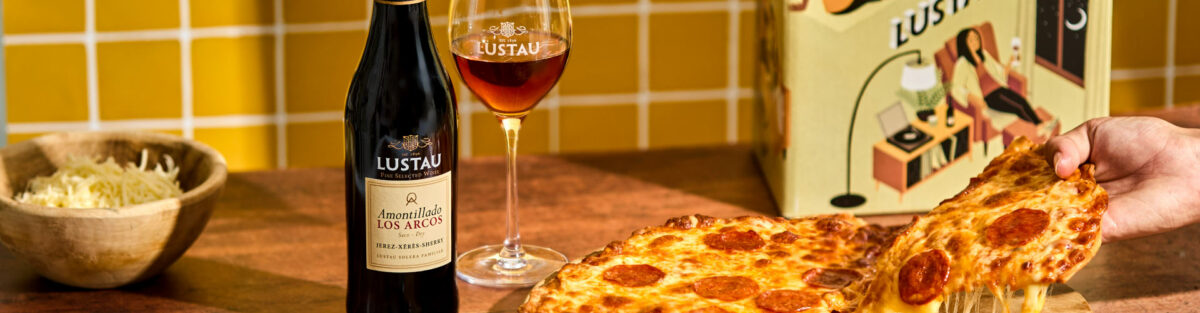
In more structured dining environments, sherry reveals its full potential. Its diversity of styles allows it to accompany an entire meal, adapting to different courses with precision and coherence. Such flexibility makes it particularly relevant in modern gastronomy, where dishes often explore contrast, texture, and evolving flavor profiles. Sherry aligns naturally with this framework, enhancing each course without imposing itself.
This ability to move seamlessly across a menu is not new, but increasingly relevant today—an approach once explored at elBulli, where sherry demonstrated its capacity to accompany even the most progressive cuisine.