







The sherry harvest 2026 has concluded on an encouraging note across the Marco de Jerez. After the particularly challenging 2025 campaign, this year brought a substantial recovery in production, accompanied by excellent grape health and appropriate levels of ripeness. At Lustau, the assessment is especially positive, with head viticulturist J. Luis Mateos Salido describing 2026 as one of the best vineyard campaigns of the past decade.
Behind that result was a favorable sequence of conditions: a very wet winter replenished water reserves, a dry spring helped limit disease pressure, and a relatively cool summer dominated by poniente winds supported the crop through its final stages of ripening.
In this sherry vintage report, we explore how the season unfolded, from the first grapes harvested in late July to the final stages of the 2026 vendimia.
This report reflects information available as of September 16, 2026.
Sherry Harvest 2026 at a Glance
The Jerez harvest 2026 marked a substantial recovery following the difficult 2025 campaign. Approximately 59.7 million kg of grapes were crushed across 33 “lagares”, compared with around 35 million kg in 2025. Production therefore returned close to the 62.5 million kg harvested in 2024 and to what the Consejo Regulador considers a more normal level for the region.
Quantity, however, tells only part of the story. César Saldaña, president of the Consejo Regulador, described the 2026 harvest as “normal” in terms of volume while emphasizing the high quality of the grapes. The regional average exceeded 11.5° Baumé, comfortably above the minimum required by the denominations of origin, while grape health remained high.
Lustau’s experience was similarly encouraging. Mateos Salido described 2026 as one of the best vineyard campaigns of the past decade, with excellent grape health, appropriate levels of ripeness across all varieties, and considerably more fruit than in recent years.
Weather Conditions Leading into the 2026 Jerez Harvest
Weather played an important role in shaping the Marco de Jerez harvest in 2026. A very wet winter was followed by a dry spring and a comparatively mild summer, a sequence that Mateos Salido identified as one of the keys to the successful campaign at Lustau.
A Wet Winter Replenishes the Vineyards
The abundant rainfall of winter 2025–2026 was particularly significant for the Jerez vineyards. Water accumulated during the wetter months replenished reserves in the soil, providing the vines with an important resource for the growing season ahead.
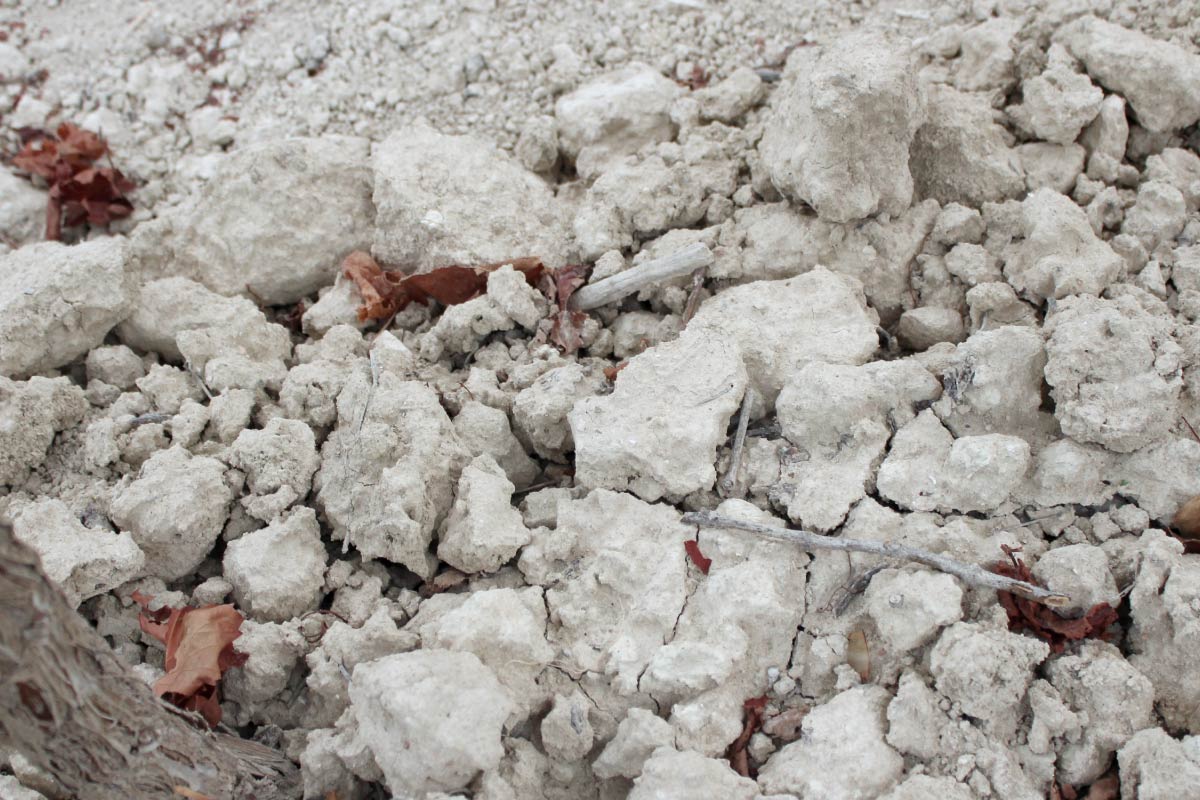
This is where the region’s characteristic albariza soil becomes especially important. Its high water-retention capacity allows winter rainfall to be stored below the surface and made available to the vines during the dry Mediterranean summer. In 2026, those reserves helped sustain both vegetative growth and a considerably larger crop than in the previous year.
César Saldaña likewise highlighted the importance of the season’s rainfall and the resulting subsurface water reserves when assessing conditions across the Marco de Jerez. Rather than simply increasing yields, the restored water supply provided a stronger foundation for the vines as they entered the warmer and drier stages of the growing cycle.
A Dry Spring and Cooler Summer Protect the Crop
After the wet winter, spring turned notably dry. For Lustau, this helped limit the development of vineyard diseases and allowed the fruit to remain healthy without requiring treatments.
Summer conditions continued to favor the crop. Mateos Salido described the season as relatively cool, with prevailing poniente winds helping to maintain both the quantity and quality of the grapes. Across the region, Saldaña similarly pointed to moderate summer temperatures and the absence of significant problems with mildew, oidium, or botrytis as important features of the campaign.
Learn more about poniente and levante winds:
When Did the 2026 Sherry Harvest Begin—and How Did It Progress?
The sherry grape harvest began very early once again in 2026. At Lustau, picking started on the night of July 26 at Viña Montegilillo, while the wider Marco de Jerez harvest was reported as beginning around July 27. By the first days of August, approximately seven million kilograms had already been collected across the region.
Harvest activity accelerated rapidly during August. Early expectations centered on approximately 55 million kilograms, but as picking progressed and yields proved stronger than initially anticipated, forecasts were revised upward. By early September, the harvest was approaching its final total of approximately 59.7 million kilograms.
The chronology also varied according to vineyard location, grape variety, and intended use, with later harvesting continuing in coastal areas and for grapes destined for “asoleo”.
Night Harvesting Palomino at Montegilillo
Lustau began harvesting palomino at Viña Montegilillo at 10 p.m. on July 26.
Nighttime harvesting helps reduce the temperature at which grapes arrive at the winery compared with fruit picked during the heat of the day—an important consideration when preserving the condition of freshly harvested palomino before pressing.

From Palomino to Moscatel and Pedro Ximénez
Not every variety followed the same timetable or harvesting method. Lustau began picking moscatel on August 20, also mechanically, while pedro ximénez required a very different approach.
The pedro ximénez (PX) grapes were harvested and laid out on mats under the sun for “asoleo”. During this traditional process, the grapes gradually lose water, concentrating their sugars before being collected and pressed. The resulting intensely sweet must will ultimately form the basis of naturally sweet PX wines.
These differences illustrate why there is no single harvest date for Jerez. Palomino destined for dry wines, moscatel, and pedro ximénez follow different timelines according to vineyard conditions and production objectives. In 2026, the “vendimia” therefore extended from the first nighttime palomino picking in late July through the later harvesting and processing of grapes destined for the region’s sweet wines.
Grape Quality and Yields in the 2026 Harvest
If increased quantity marked an important recovery for the Marco de Jerez harvest, the condition of the fruit was equally encouraging. César Saldaña, president of the Consejo Regulador, emphasized the high quality and excellent sanitary condition of the grapes, with the regional average exceeding 11.5° Baumé, comfortably above the minimum required by the denominations of origin.
The final crop of approximately 59.7 million kilograms represented a substantial increase from the roughly 35 million kilograms harvested in 2025, bringing production much closer to the 62.5 million kilograms recorded in 2024. Rather than an exceptionally large harvest, however, Saldaña characterized 2026 as a return to more normal production levels following the unusually short crop of the previous year.
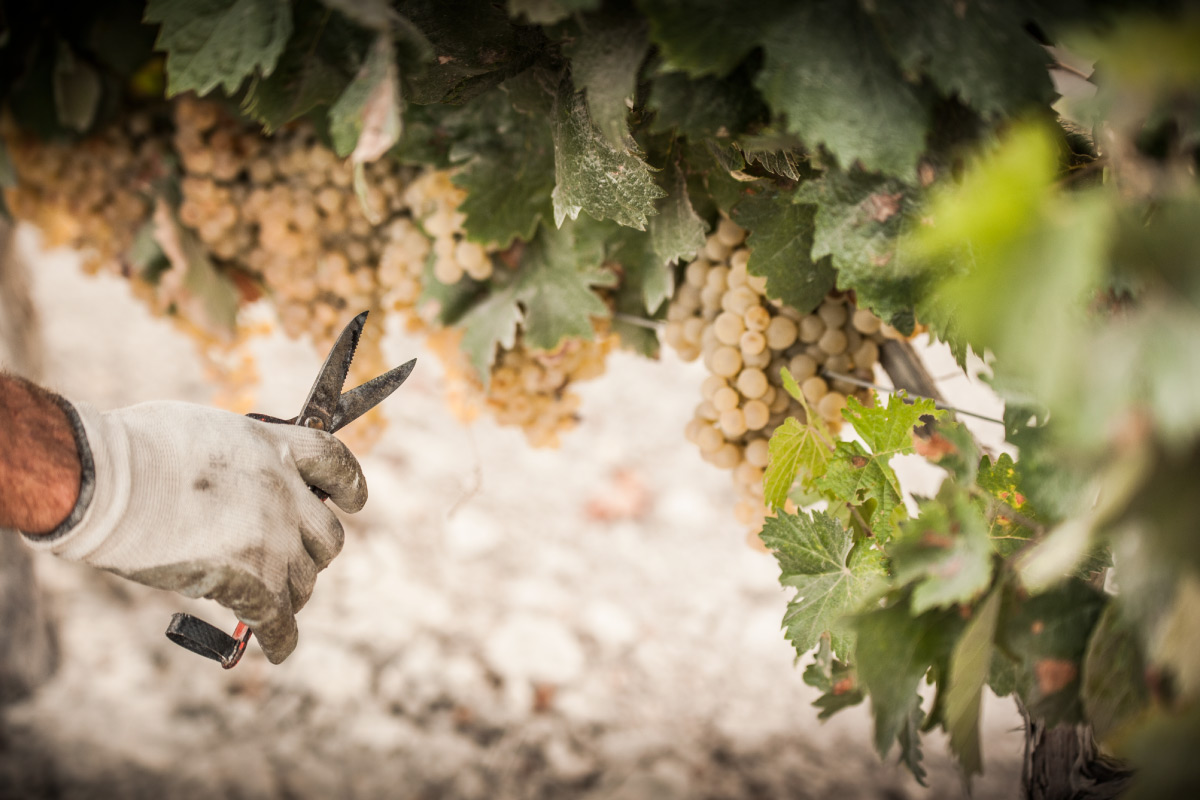
At Lustau, the same combination of quantity and quality was evident. Mateos Salido reported considerably more fruit than in recent campaigns—not a record crop, but a substantial one—with excellent grape health and the necessary degree of ripeness across palomino, pedro ximénez, and moscatel. As he concluded, “We can say without fear of being mistaken that we have had at Lustau one of the best vineyard campaigns of the last 10 years.”
What the 2026 Harvest Could Mean for Future Sherry Wines
The excellent health and ripeness of the grapes provide an encouraging starting point for sherry wine production following the 2026 harvest. At Lustau, that high-quality raw material now moves into the next stages of classification and winemaking.
Yet any assessment of the wines themselves remains preliminary. Unlike wines whose identity is closely associated with a single vintage, sherry develops much of its character through classification, biological or oxidative aging, and, in many cases, the solera system. The conditions of the sherry harvest 2026 therefore represent the beginning rather than the conclusion of the story.
What can already be said is that 2026 has provided Jerez—and Lustau—with a particularly promising foundation for the years of aging and evolution still to come.