





Seasonality has always shaped the way restaurants cook, and it can be equally valuable when planning a seasonal wine menu. As ingredients, cooking techniques, and dining occasions change throughout the year, the wine selection can evolve alongside them.
Few categories offer as much flexibility as sherry, ranging from the bone-dry freshness of fino and manzanilla to the complexity of amontillado, palo cortado, and oloroso, and the richness of cream styles and naturally sweet wines.
Adapting a sherry wine menu to the seasons, however, does not mean assigning particular wines to particular months. It means responding to changes in ingredients, cooking methods, service, and occasion—creating new opportunities for food pairing, seasonal features, and sherry by the glass.
Why Adapt a Sherry Wine Menu to the Seasons?
A seasonal wine list should respond not simply to the weather, but to what is happening in the kitchen and how guests want to eat and drink throughout the year.
Spring vegetables and lighter preparations create different opportunities from autumn mushrooms or slow-cooked winter dishes. Sherry is particularly valuable in this context because its stylistic diversity allows restaurants to respond to these changes without leaving the category.
Seasonal rotation can also encourage discovery. A featured glass, food pairing, or tasting flight tied to dishes appearing on the menu gives guests an accessible reason to explore unfamiliar styles while providing the service team with a natural story to tell.
The objective is not necessarily to add more bottles, but to make a carefully chosen selection work harder throughout the year. The season does not determine which sherry we should serve; it changes the culinary context in which we can discover it.
For further inspiration, explore how different sherry wines can accompany an entire dinner, from the opening course through dessert:
How Seasonality Changes the Way We Pair and Serve Sherry
Ingredients are only one part of seasonal sherry food pairing. Cooking methods can be equally important. A raw vegetable presents a very different pairing opportunity once roasted, grilled, fried, or pickled. Browning and caramelization may create bridges with the toasted and nutty character of oxidative styles, while the freshness and salinity of biologically aged wines can complement raw, fried, cured, and delicately prepared foods.
Occasion and service matter too. A chilled glass enjoyed before dinner on a summer terrace creates a different experience from a winter flight served alongside several courses. Featured by-the-glass pours, seasonal food pairings, and small comparative flights can all make unfamiliar wines easier to discover.
The principle is straightforward: consider not only the seasonal ingredient, but what the kitchen has done to it and how the guest will experience it. This allows the wine program to evolve with the menu without suggesting that any style of sherry belongs exclusively to one season.
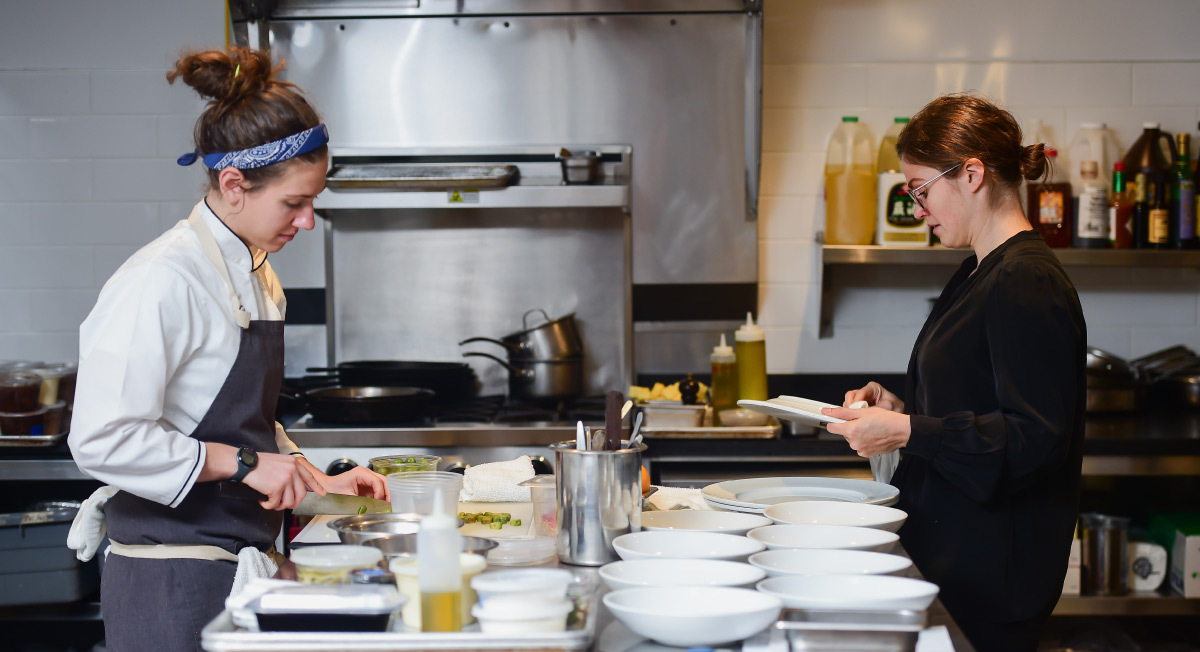
Spring Sherry Pairings: Freshness, Vegetables, and Lighter Dishes
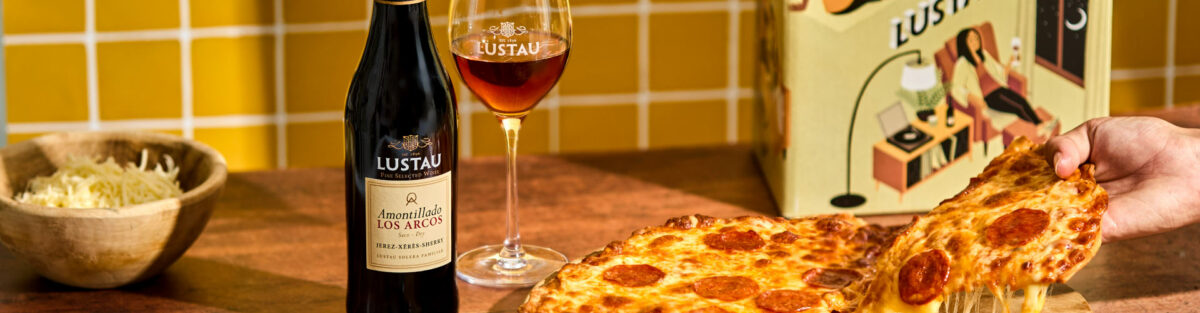
Spring menus often emphasize freshness, delicacy, and green flavors, from peas and asparagus to artichokes and young vegetables, alongside shellfish, fresh cheeses, and lighter preparations. These ingredients create natural opportunities for fino and manzanilla, whose dryness, salinity, and savory character can complement vegetables that are sometimes challenging for more fruit-driven wines. Served well chilled, they are equally at home with shellfish, fried fish, fresh cheeses, and aperitif-style dishes.
But not every spring preparation is light. Roasting, grilling, or introducing caramelized elements, nuts, richer seafood, and poultry can call for greater depth. Amontillado provides a natural progression: its biological aging contributes savory precision, while subsequent oxidative aging brings greater nuttiness and complexity.
A thoughtful spring seasonal wine list can therefore move from the freshness of fino and manzanilla toward amontillado as dishes gain texture and intensity. The progression is driven not by the calendar itself, but by what arrives from the kitchen.
Summer Sherry Pairings: Chilled Serves and Coastal Flavors
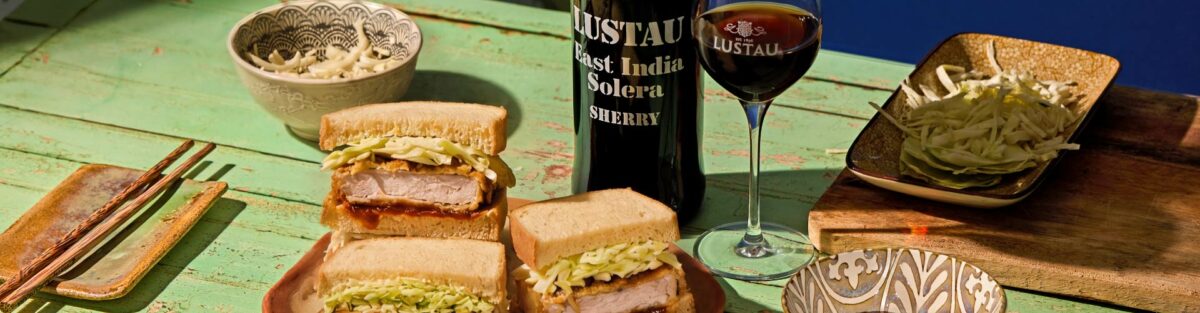
Summer brings seafood, sushi, gazpacho, olives, grilled ingredients, fried snacks, and other dishes that naturally favor freshness and easy sharing. Fino and manzanilla are particularly compelling in this setting: served well chilled, their dryness, salinity, and savory character can complement coastal flavors while providing refreshing contrast to fried or richer preparations.
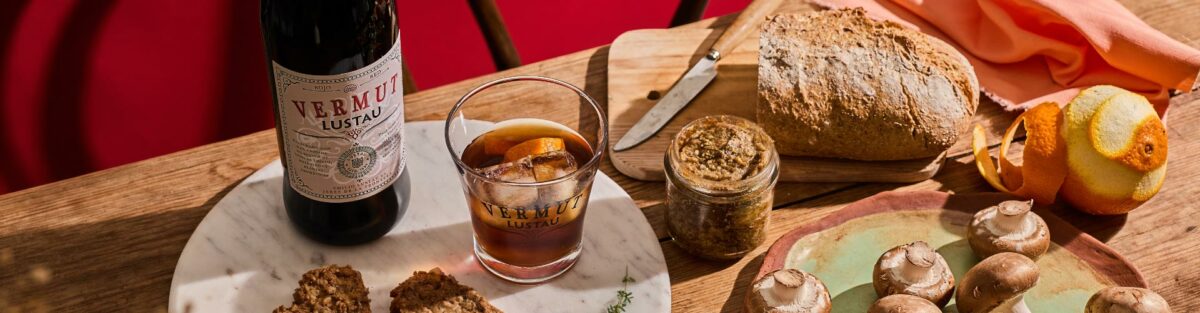
Summer also creates opportunities beyond conventional wine service. A chilled glass of fino or manzanilla fits naturally into aperitivo time, establishing the tone before a meal, while Vermut Lustau and carefully constructed sherry cocktails provide additional ways to introduce guests to the broader world of Jerez.
For further inspiration, explore how sherry cocktails can be paired with food as part of a broader dining experience:
For restaurants, simplicity is often the most effective approach. A featured sherry by the glass, one seasonal food pairing, or a refreshing cocktail can create a memorable point of discovery without unnecessarily expanding inventory. The same wine can move from aperitif to table, demonstrating that biologically aged sherries are not simply opening drinks but versatile partners throughout a summer meal.
Autumn Sherry Pairings: Mushrooms, Roasting, and Umami
Autumn menus often introduce mushrooms, squash, nuts, poultry, roasted vegetables, and more concentrated savory preparations. These ingredients and cooking techniques create particularly compelling opportunities for amontillado, palo cortado, and oloroso, particularly when working with umami-rich ingredients and preparations.
Amontillado can bridge mushrooms, consommés, poultry, nuts, and roasted vegetables through its combination of savory precision and nutty depth. As dishes become more structured, palo cortado and oloroso offer greater intensity for roasted meats, aged cheeses, and deeply flavored sauces.
Cooking method is especially important here. Roasting concentrates flavor and develops sweetness and browning, while grilling can introduce toasted, smoky, and sometimes bitter notes. These transformations often find natural echoes in mature sherries.
Autumn seasonal sherry pairings need not be based on the idea that darker wines belong to colder weather. The connection is structural and aromatic: as ingredients become richer and cooking methods develop deeper, roasted, and umami-rich flavors, wines with greater structure and oxidative complexity often have more elements with which to interact.
Winter Sherry Pairings: Rich Dishes, Cheese, and Desserts
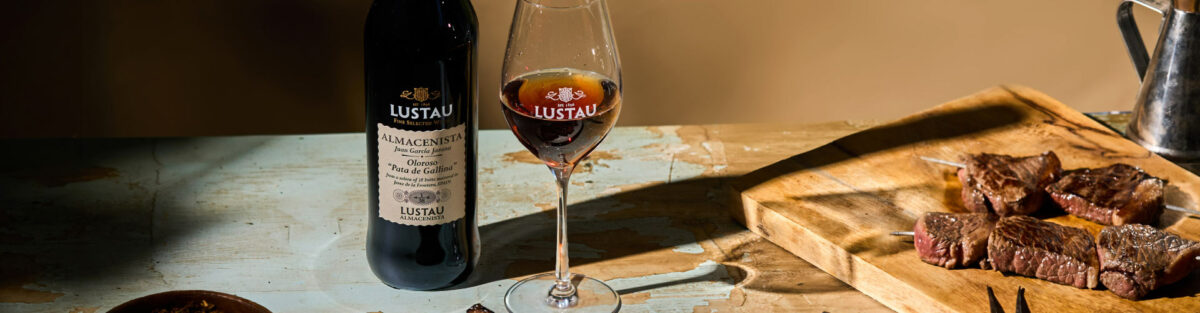
Winter menus frequently bring braised meats, game, rich sauces, mature cheeses, and indulgent desserts to the table. Oloroso has the structure and aromatic intensity to accompany slow-cooked meats, stews, and aged cheeses, while palo cortado can be particularly compelling with complex savory dishes that call for both elegance and depth.
Sweet styles broaden the possibilities far beyond dessert. Cream sherries can complement blue cheese, pâté, and preparations combining savory and sweet elements, while pedro ximénez finds natural partners in chocolate, coffee, ice cream, and intensely flavored desserts. Its concentration can also create a striking contrast with mature or blue cheeses.
Winter is also an ideal moment to consider flights and smaller after-dinner pours. A progression from dry oxidative styles toward sweeter expressions allows guests to experience the range of sherry across several courses, turning the end of the meal into an extension of the restaurant wine menu rather than treating sweet sherry as an isolated dessert option.
How to Build a Profitable Seasonal Sherry Wine Menu
Seasonal rotation does not require a large inventory. A compact selection representing different structures and flavor profiles can give each wine a clear role—by the glass, alongside food, within a flight, or after dinner—while allowing the program to evolve with the kitchen.
Build a Compact Range Across Different Sherry Styles
Think in terms of diversity rather than number of labels. A biologically aged wine, a more complex dry style, and a richer or sweet expression can already provide considerable range.
The selection can then reflect the restaurant’s cuisine. A seafood-focused menu may create more opportunities for fino and manzanilla, while grilling and roasting can favor amontillado, palo cortado, or oloroso. Rather than replacing the entire sherry wine menu every season, highlight particular wines when new dishes give them a compelling reason to come forward. This keeps inventory manageable while allowing the selection to remain dynamic.
Make Sherry by the Glass Easy to Understand and Sell
For many guests, the greatest barrier to ordering sherry is simply not knowing what to expect. Menu descriptions should therefore begin with flavor and food rather than technical terminology: “dry, saline, and ideal with oysters communicates an immediate reason to order the wine.”
Operationally, sherry by the glass should account for the different characteristics of each style after opening. Bottle turnover, refrigeration, opening dates, pour size, and anticipated sales volume should all inform the selection. The objective is simple: make the wine easy for guests to understand while ensuring that every glass reaches the table in optimal condition.
Use Flights, Pairings, and Staff Education to Encourage Discovery
Flights and dedicated food pairings can make an unfamiliar category approachable. Comparing a biologically aged wine with an oxidative style, for example, allows guests to experience sherry’s diversity rather than simply reading about it.
Staff training can be equally straightforward. Give the team one memorable flavor description, one food pairing, and one compelling story for each wine. Then monitor sales, bottle turnover, and guest response. These observations can inform the next seasonal update, allowing the program to evolve through actual experience rather than following a predetermined formula.
A Sherry Wine Menu for Every Season
The strength of sherry on a seasonal wine menu lies in its extraordinary range. As ingredients, cooking techniques, and dining occasions change, the category offers different ways to respond—from biologically aged wines to oxidative and sweet expressions.
For restaurants, a seasonal glass, thoughtful pairing, or small flight can give guests new reasons to explore sherry while keeping the program focused and practical.
Ultimately, seasonality should encourage exploration rather than impose rules. The season does not tell us when to drink sherry; it simply gives us new reasons to enjoy it throughout the year.