





Cream is one of the sweet styles of sherry that bridges the gap between dry oxidative wines and sweet ones. Technically, cream is made by blending an oloroso wine with a naturally sweet wine (often pedro ximénez). The result is a deep amber, full-bodied wine with a velvety texture and noticeable sweetness. Traditionally known as “sweet oloroso” because it starts from an oloroso solera and is sweetened before bottling. In practice, cream is defined by its balance: the nutty, oxidative character mellowed by a gentle fruity sweetness.
Learn now the differences between port and a style of sherry wine such as cream:
THE ORIGIN AND EVOLUTION OF CREAM SHERRY
The history of cream sherry is rooted in 18–19th century trade and taste. By the late 1700s and early 1800s, British and other Northern European markets favored velvety style and sweet wines, sold often under names like milk sherry or “amoroso” (in this context, “fluffy”). It was in Bristol, England (a traditional sherry-importing port) that a particularly refined sweet blend was developed.

Credit: www.bristolpost.co.uk
According to lore, an aristocratic lady tasting this new wine exclaimed, “If that was Milk, then this surely must be Cream,” giving the style its enduring name. In fact, its popularity was such that virtually all older generic names for sweet sherry (amoroso, East India, etc.) were replaced by “cream” in the late 19th and early 20th century.
The category surged in the mid-20th century as an iconic wine style abroad, and while it declined later (overtaken by dryer preferences), it remains as one the most beloved styles crafted.
EAST INDIA: WINES SHAPED BY TIME IN THE HIGH SEAS
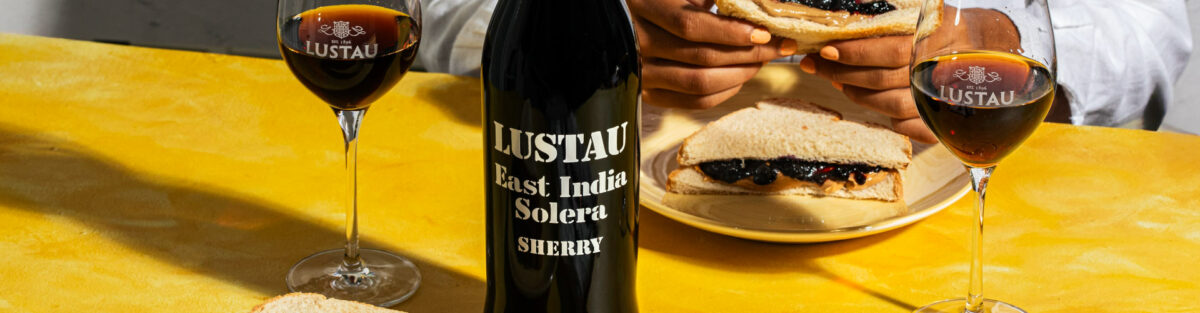
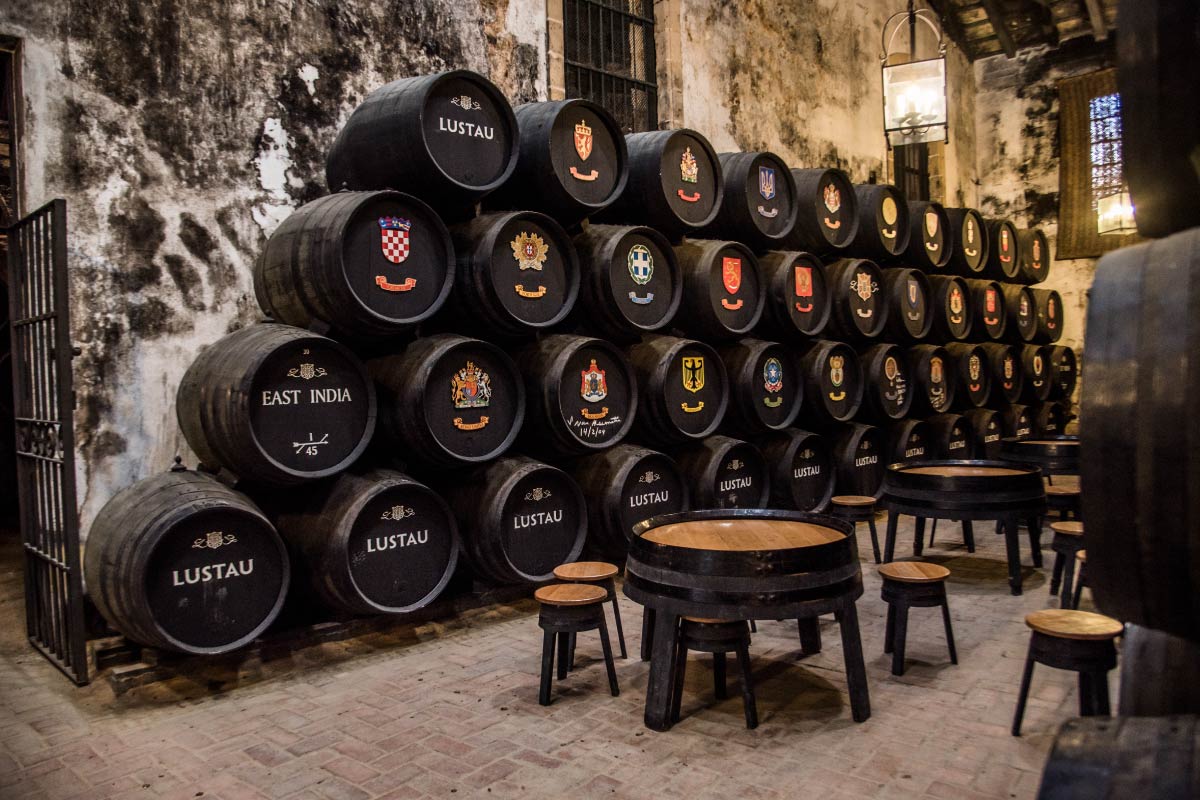
This wine has its own interpretations and it even has its own historic sub-style known as East India or (East India Solera, for Lustau). In the age of sail, sherry casks bound for the East Indies warmed in tropical holds, accelerating aging and imparting extra concentration. Lustau revived this tradition with their East India Solera Cream. In this method, the wines are each aged separately (about 12 years), then blended and returned together to a solera for further aging at the warmest and most humid place at Lustau’s cellars: the “Sacristía”. This special solera thus highlights cream’s individuality: it is paying homage to a seafaring tradition by performing a technique that recreates the conditions of 18th century voyages… adding silkiness and additional complexity.
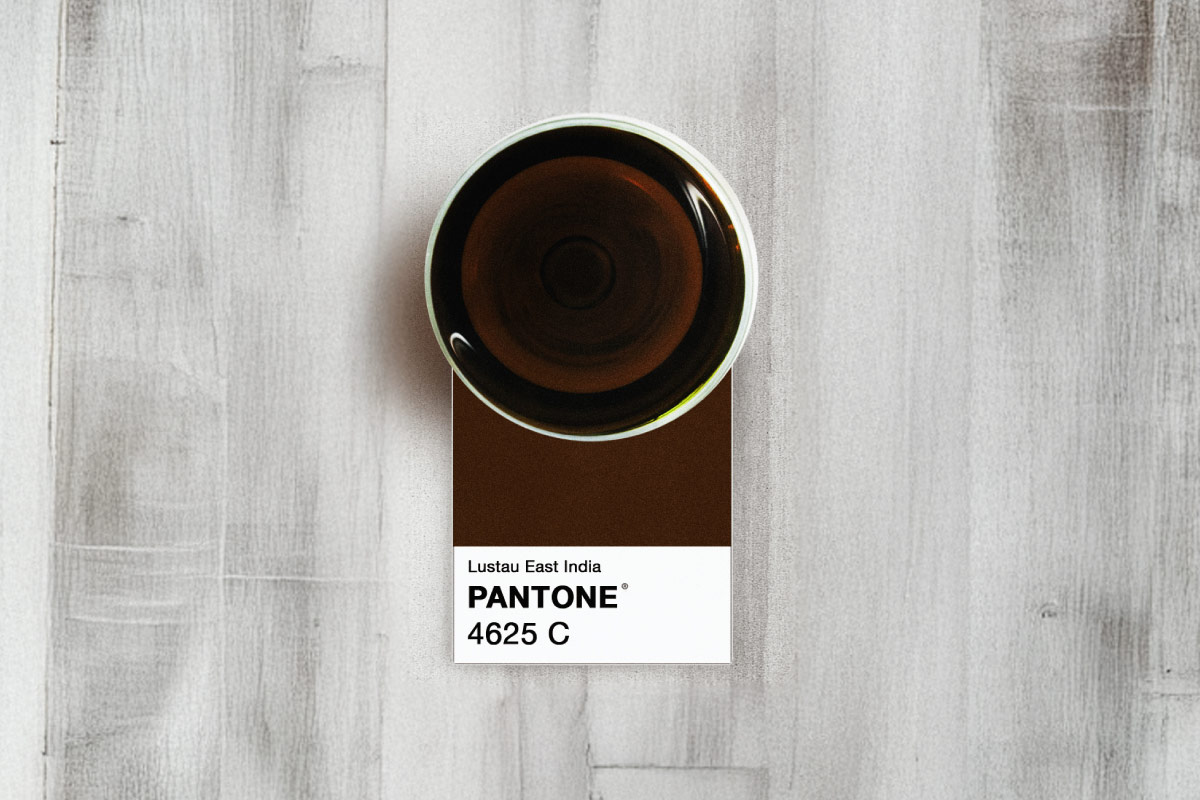
The result is an ultra-expressive cream, having “notes of maple syrup, brown sugar, shoe polish, dried raisin,” with a palate of prune, burnt orange peel and warm spices.
HOW CREAM SHERRY IS MADE
Cream sherry production involves several distinct steps, all focused on blending and oxidative aging.
Base Wines: Oloroso Meets Natural Sweetness
The foundation of cream is typically a dry, fully oxidized style such as oloroso. Oloroso is always crafted from palomino grapes and aged oxidatively in oak casks. To craft cream in Jerez, winemakers blend this oloroso with a sweet component. Often the sweetener is a sweet wine such as pedro ximénez (PX) or, less commonly, moscatel. Some producers may use concentrated must if needed. The dry oloroso provides structure, tannins, and nutty character, while the sweet wine brings velvetiness and a distinctive ripe-style fruitiness.
You can go deeper and learn more about such incredible wines like oloroso and pedro ximénez below:
By Denomination of Origin regulations, the final wine must have at least about 115-140 g/L of sugar, ensuring that the sweetness is perceptible but balanced.
The Blending Art: Achieving Balance Between Dry and Sweet
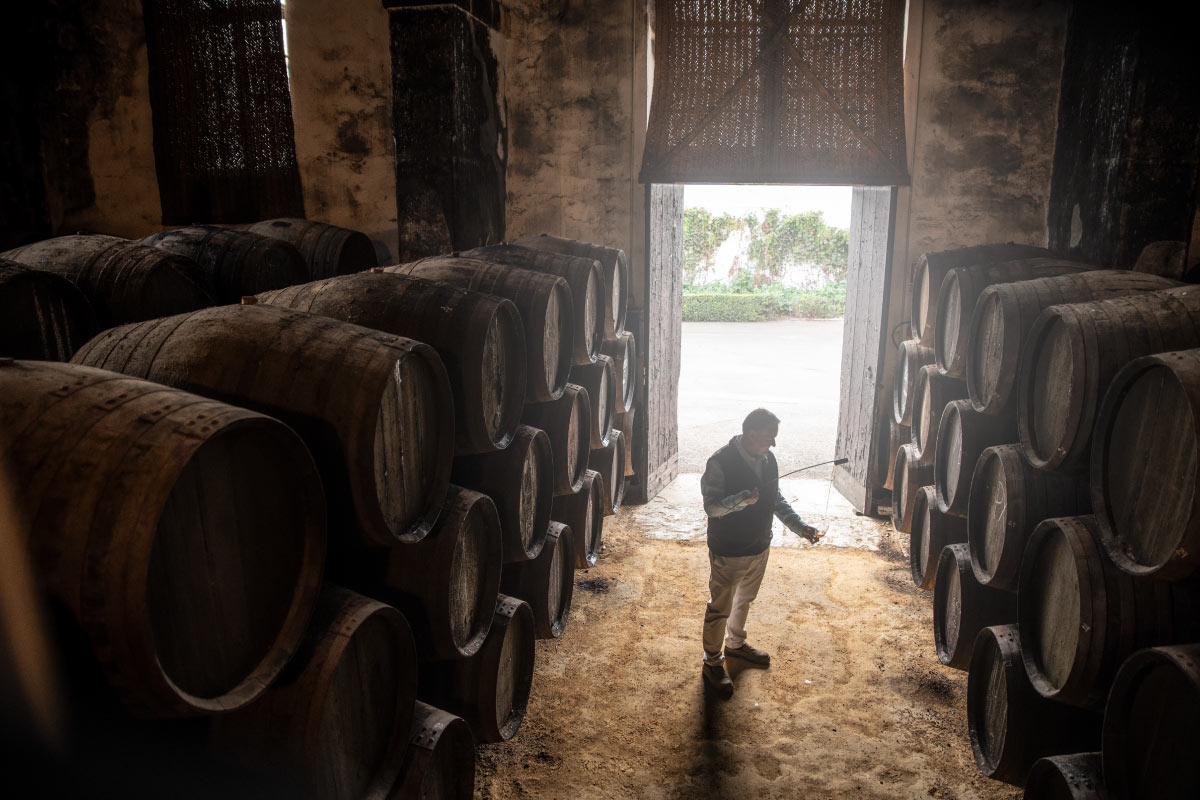
Cellar masters carefully adjust proportions to reach a balanced result. Because cream involves very different wines (almost opposite), the “cabeceo” (blending technique) has become key and critical: too much PX yields a cloying drink, too little makes it bland. Aging also plays an important role as final results will be different depending on wines’ complexity and depth. This aspect, combined with the earlier make the “cabeceo” an extremely challenging task, requiring years of training to master it and find the perfect combination. Eventually, the goal is harmony: the final wine should taste of gentle sweetness woven into a broad oloroso acidity. Many producers test each blending, looking for the right interplay of dry nuttiness and fruit, citrus notes, then marry the blend in either stainless steel tanks or barrels until integrated. Cream styles aged and crafted by Lustau are always solera-aged with a fixed oloroso-pedro ximénez ratio (80% oloroso – 20% pedro ximénez).
Sergio Martínez, Lustau Cellar Master and Best Fortified Winemaker in the world by the International Wine Challenge.
Sweetening Components: PX, moscatel or Concentrated Grape Must
By tradition, the sweet component is often aged pedro ximénez (PX) wine, made by partially fermented sun-dried pedro ximénez grapes. PX adds intense dried fruit (fig, raisin) flavors and silky, smooth textures while it also darkens the base. Sometimes moscatel wine is used, yielding a more floral, citrus note.
Alternatively, some sherry makers use rectified concentrated grape must to sweeten the wine base, allowing for precise adjustment of residual sugar levels without altering the structural profile of the base wine. When used correctly, this method offers consistency and technical reliability, ensuring stylistic stability across bottlings. While it does not contribute the additional aromatic complexity or flavor layers provided by naturally sweet wines it remains a legitimate practice for producers prioritizing balance, uniformity, and continuity of style over pronounced varietal expression.
Aging Under Oxidative Conditions for Depth and Harmony
Once blended, cream sherry stays in stainless steel vessels to prevent further air contact (oxidation). And no “flor” yeast is involved. This step in the process does not last more than a few months. However, cream wines such as Lustau East India Solera are aged in American oak casks to deepen color (to dark mahogany) and develop a more intense bouquet of toasted nuts, caramel, toffee and dried fruits. The oxidative solera environment also helps merge the sweet and dry components.
KEY CHARACTERISTICS AND FLAVOR PROFILE OF CREAM SHERRY
Aromas: Nuts, Caramel, Dried Fruit, and Gentle Sweetness
The hallmark aromatics of cream sherry include rich, dessert-like notes. Typical descriptors are toffee, caramel, honey, and dulce de leche, layered over roasted almond or hazelnut. Dried fruits such as fig, prune and raisin are very prominent, along with a subtle sherry tang. Vanilla, chocolate, or coffee nuances often appear on the nose, especially as the wine warms up.
Cream sweetness is balanced and gentle, so the caramel and nutty aromas stand out more. The overall effect is an inviting, dessert-like bouquet – but with underlying complexity and prominent acidity from the oxidative aging.
How Cream Differs from PX, Moscatel
Cream sherry sits on the sweet side of the region spectrum, but it is distinct from other sweet wines crafted. Pedro ximénez is made entirely from sun-dried px grapes and aged to a very high level of sweetness. Px is opaque, dense. By contrast, cream is crafted by blending two wines. Cream also has more tannin and volume than px, thanks to the oloroso base.

Moscatel is, on the other hand, a different sweet style of wine. Moscatel sherries are typically slightly lighter in body and color, and have pronounced floral (orange-blossom) and citrus aromas. Cream Sherry’s flavor tends toward walnut, nougat and caramel notes rather than floral moscatel character. In practice, most cream sherry wines are crafted with oloroso and pedro ximénez, creating a combination between nuttiness and fruitiness.
LUSTAU CREAM COLLECTION
Lustau is respected for its diverse and versatile range of styles organized in different collections designed under certain concepts, profiles; suited for any palate. Lustau Cream Collection explores different expressions of this magnificent wine, showcasing variations in aging, and complexity but always keeping Lustau’s signature ratio of 80% oloroso and 20% px.
Although all expressions are defined by Lustau’s accessible style each bottling provides different insights into the craftsmanship behind cream, style and its evolving character over time.
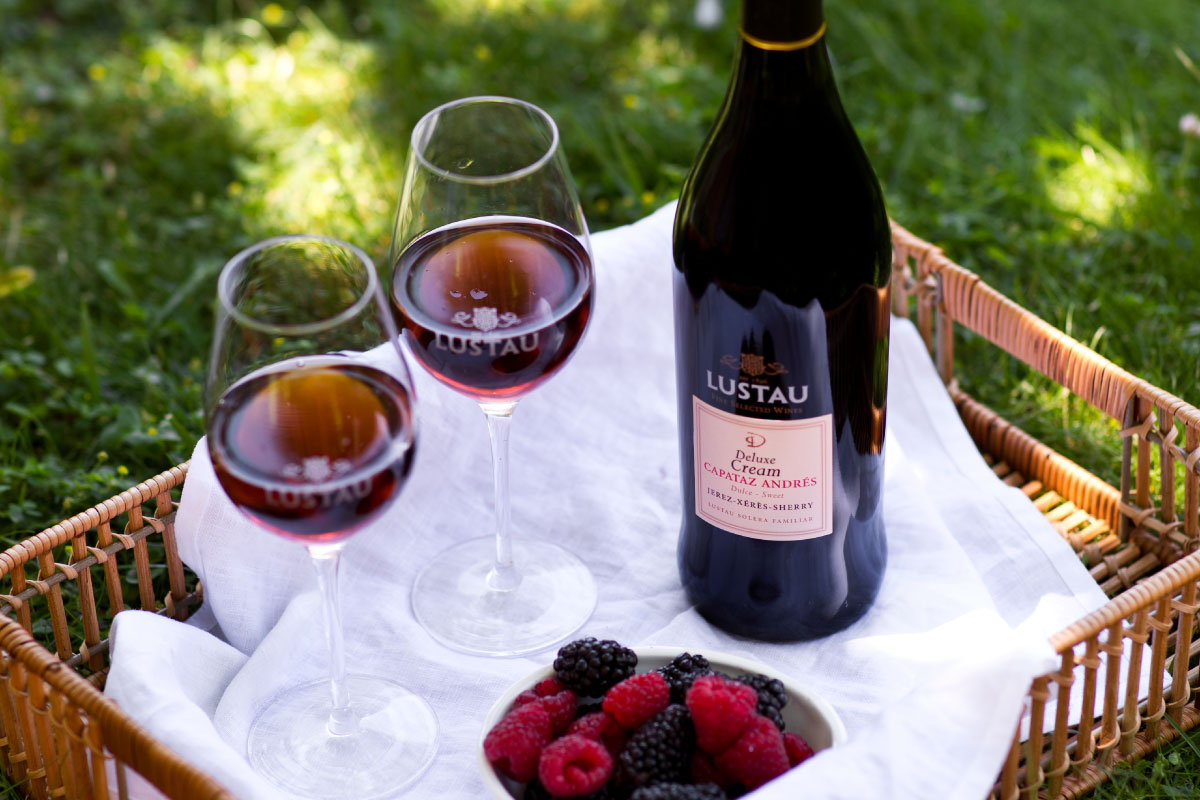
Lustau Deluxe Cream Capataz Andrés
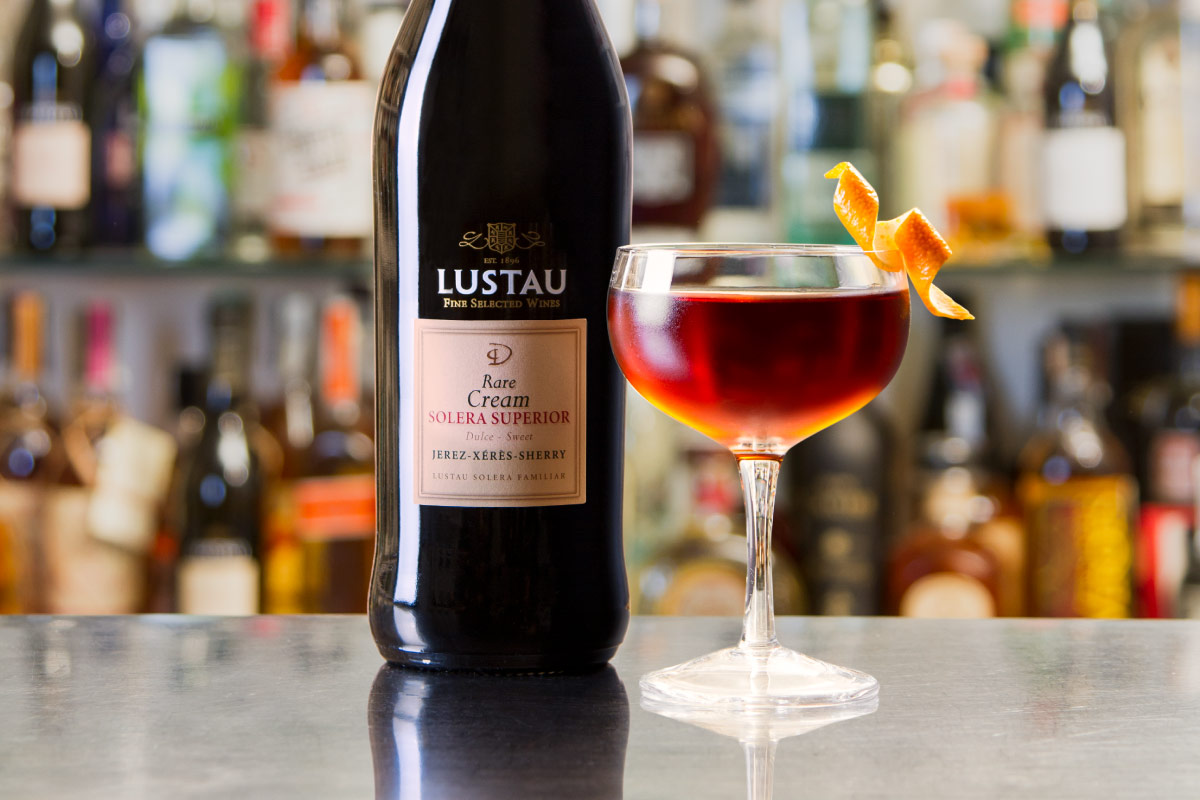
Lustau Rare Cream Solera Superior
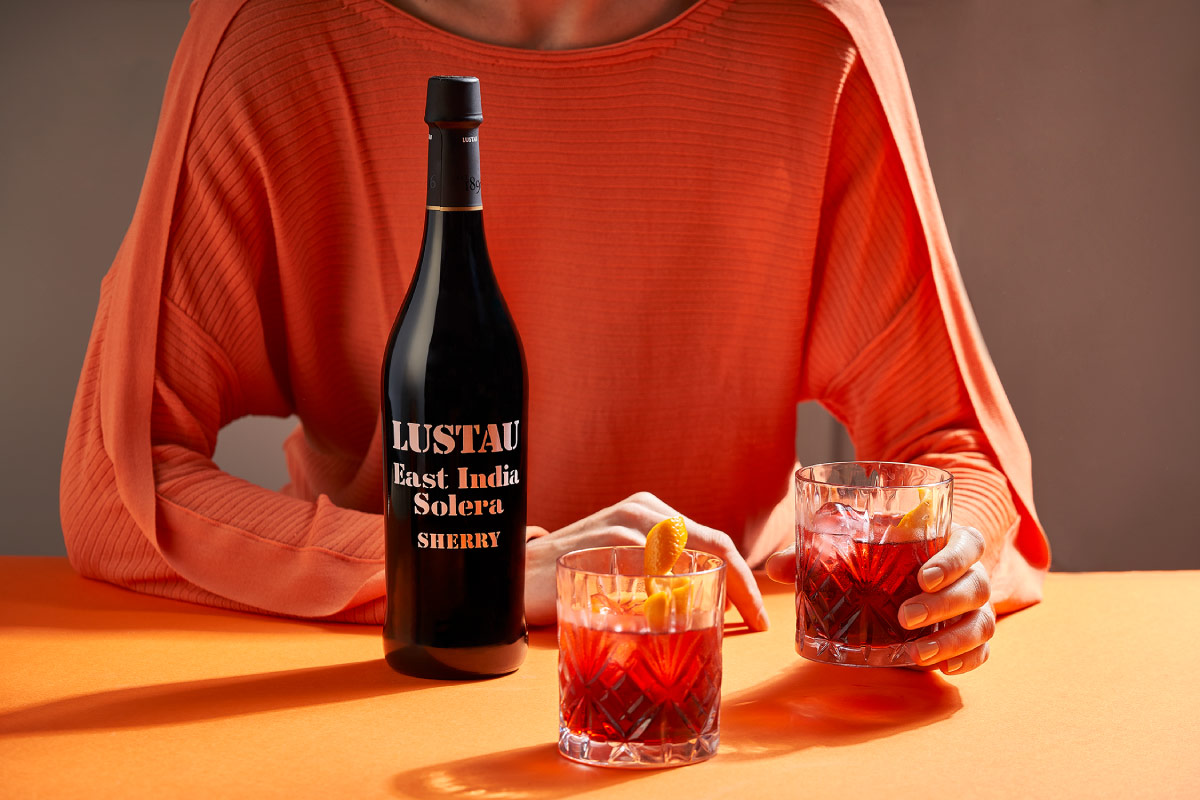
Lustau East India Solera
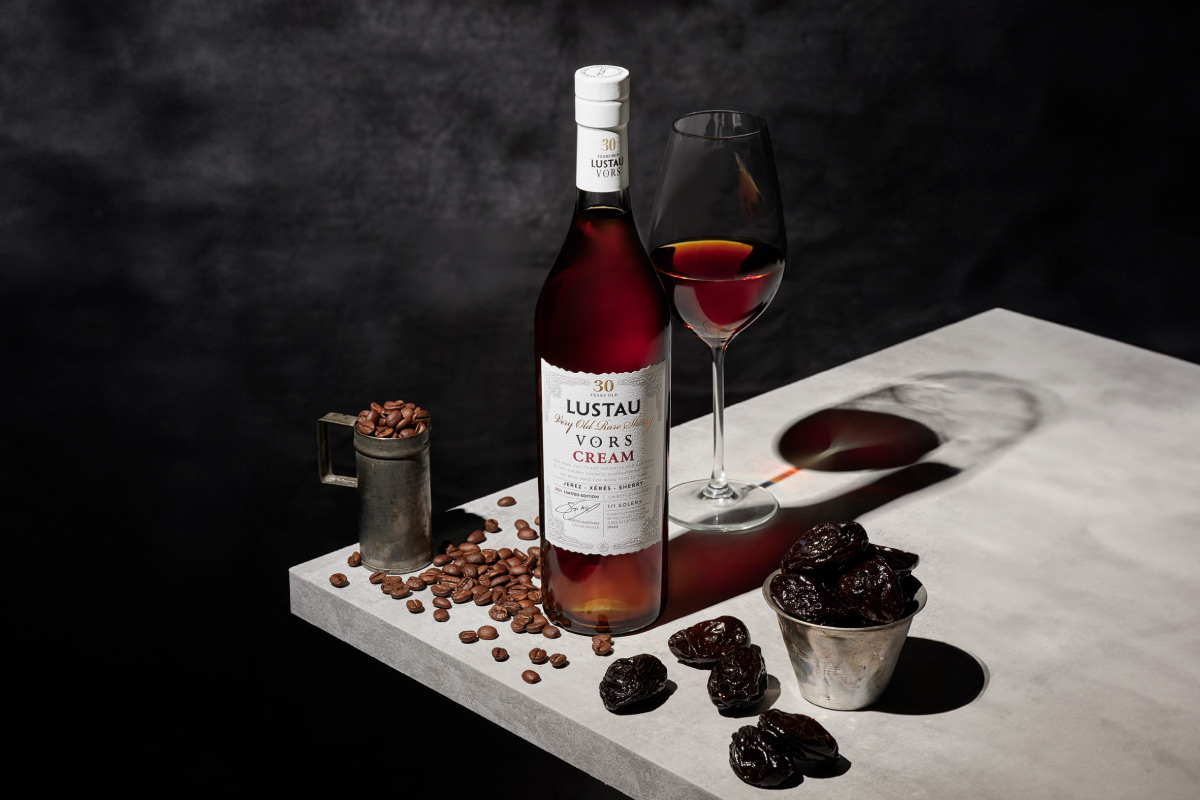
Lustau VORS Cream
FOOD PAIRINGS AND SERVING SUGGESTIONS FOR CREAM SHERRY
Cream’s moderate sweetness and texture make it extremely versatile with food. However, cream expressiveness extends beyond the dining table or the cocktail glass, making it a perfect wine for a variety of occasions and moods. Its unparalleled set of aromas and flavors, and liveliness allows it to shine as a sophisticated wine. Ideal for intimate gatherings, relaxing moments, or even as a pairing with music—think harmonious, balanced, suspended, flowy and serene music to pair with a smooth, silky and fruity wine like this one.
Pairing Cream with Savory Ingredients
Beyond its traditional role at the end of the meal, cream demonstrates remarkable versatility when paired with savory dishes that emphasize richness, depth, and umami. Its combination of high acidity, moderate sweetness, and rounded texture makes it particularly well suited to foods where fat, salt, and intensity require balance rather than contrast.
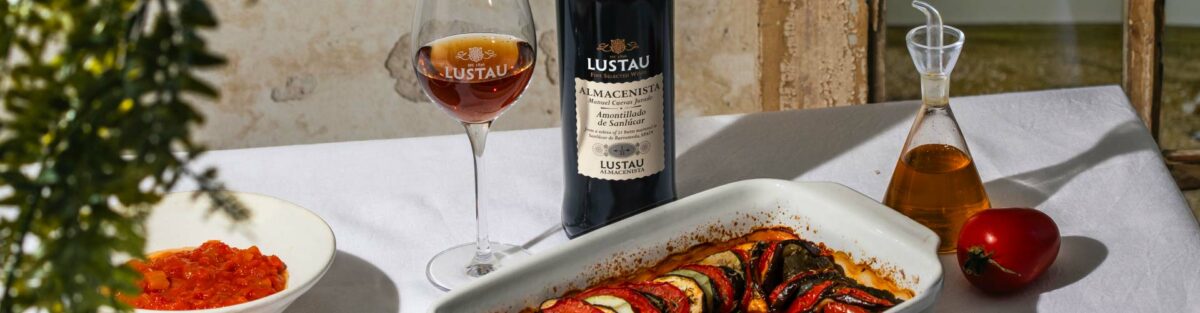
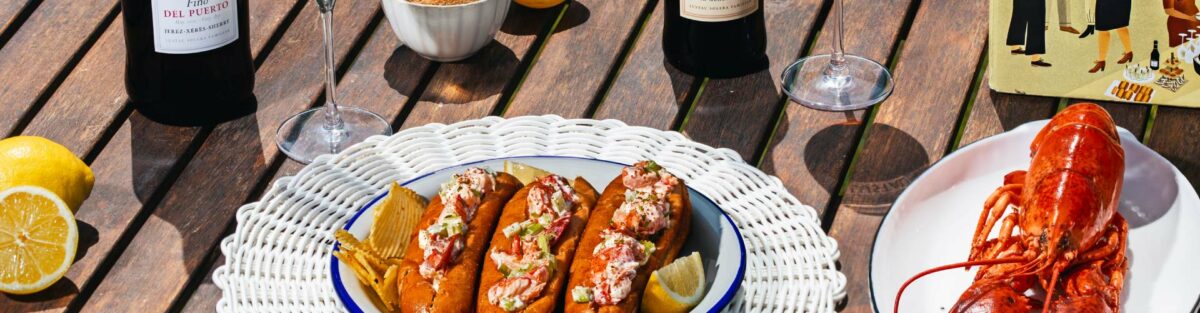
It is an effective partner for foie gras, duck liver pâtés, and terrines, where sweetness balances bitterness and fat while reinforcing roasted and caramelized notes. It also pairs well with slow-cooked meats such as braised pork, oxtail, or beef cheeks, echoing Maillard-driven flavors and softening the intensity of long cooking. Mushroom-based dishes, particularly roasted or dried mushrooms, benefit from the wine’s nutty profile, while.
Cream with Cheeses and Pastries
The gentle sweetness of cream also makes it delightful with desserts and snacks. Cream sherry also works splendidly with pastries – it’s often served with custard tarts, fruit pies (American style apple pie), or ice cream, echoing its own caramel and dried-fruit flavors.
On the cheese plate, cream shines with soft cheeses and other pungent blues. A soft brie or triple-cream cheese marries well as the wine’s nuttiness and fig notes will complement the creamy cheese body.
In the following pairing, cream sherry moves beyond a dessert role and functions as a gastronomic wine, enhancing depth and cohesion in savory cuisine.
Serving Temperature and Glassware Tips
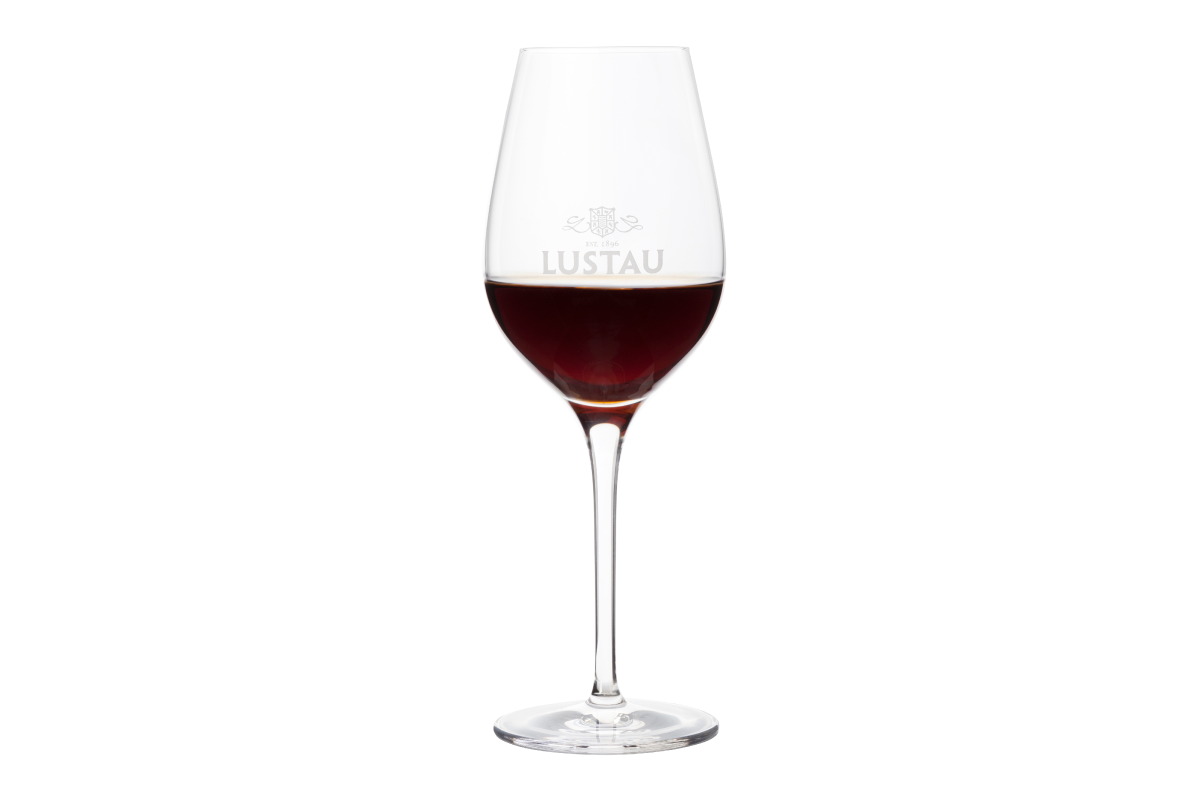
Serve cream slightly chilled, always, around 12–14°C (54–57°F), in a white wine glass to allow the aromas to unfold. Once opened, it keeps well for months if sealed and refrigerated, slowly revealing more nuances with time.
Cocktails That Highlight Cream Sherry
Its moderate alcohol level (around 20% ABV) and layered notes make it particularly well suited to low-ABV drinks and modern reinterpretations of classic cocktails. Cream can add depth to spritz-style serves, act as a sweetener substitute, or bring nutty, caramelized complexity to stirred cocktails with aged spirits or coffee-based recipes.
One of the most notable contemporary examples is Jim Meehan’s East India Negroni, in which rum replaces gin and Lustau East India Solera takes the role of sweet vermouth, resulting in a refined variation with pronounced spice and dried fruit notes.
These reinterpretations highlight cream Sherry’s ability to perform the function of a wine while contributing a distinctive oxidative and nut-driven character, securing its place in modern cocktail culture.