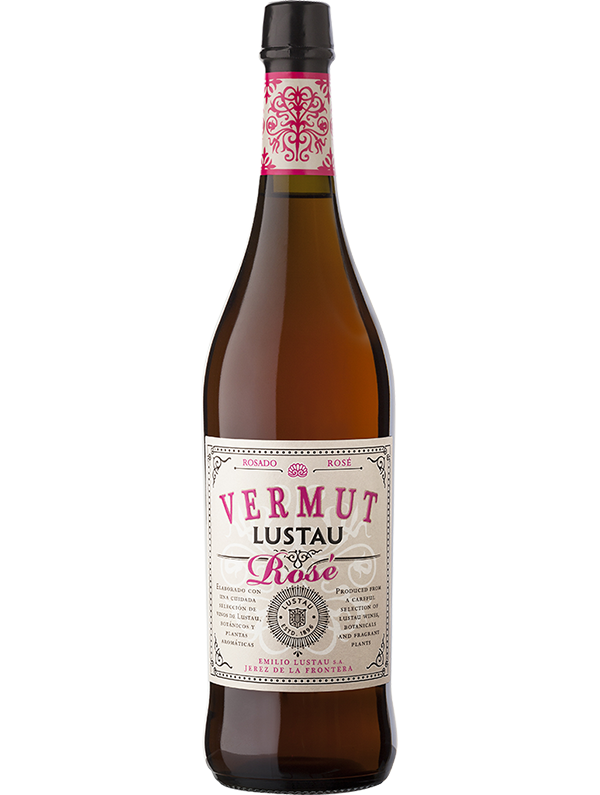
Few drinks are as inseparable from a time and place as the Pimm’s Cup cocktail is from an English summer. Mention it and images flood the mind: striped blazers and sun hats at Wimbledon, punts drifting along the Cam, the brass-band atmosphere of a village fête. It is a drink of extraordinary character that is fruity, herbal, lightly bittersweet, and yet for all its fame, many who drink it know surprisingly little about where it came from, what it actually contains, or how to make one properly. Our rendition of this beloved summer sipper replaces Pimm’s with Vermut Lustau Rosé, a lush and complex vermouth that creates a fun and refreshing Pimm’s Cup variation.
Check Sherry-Based Journey Through Vermouths and Vermut Lustau Collection if you are looking for more insights and cocktail recipes.
COCKTAIL: Pimm’s Cup
Full Ingredients list
- 2oz Vermut Lustau Rosé
- .5oz Lemon Juice
- 5oz Ginger Ale
- Garnish: mint sprig, cucumber slices, sliced strawberries
Recipe author: Steven Dragun
What is a Pimm’s Cup and what is its history?
A Pimm’s Cup is, at its heart, simple: Pimm’s No. 1 lengthened with a fizzy mixer and loaded with fruit and fresh herbs. But simplicity invites opinion, and the English have many of them. The story begins in the City of London in the 1820s. James Pimm, a farmer’s son from Kent, opened an oyster bar near the Bank of England — an establishment that grew into one of the most popular dining rooms in the financial district. To settle the stomachs of his customers, Pimm offered a proprietary tonic: a cup of gin infused with liqueur, fruit, and a secret blend of herbs and spices. He served it in a small tankard, the “No. 1 Cup,” and it became the house specialty. By the 1840s, demand had grown enough that Pimm began bottling and selling the mixture commercially. The recipe was never published; it passed, tightly held, through successive owners of the brand. The “No. 1” designation hints at a wider ambition. Over the following century, the brand produced six numbered varieties:
No. 1 — Gin-based (the original and by far the most famous)
No. 2 — Whisky-based
No. 3 — Brandy-based
No. 4 — Rum-based
No. 5 — Rye-based
No. 6 — Vodka-based
Nos. 2 through 5 were discontinued and are largely unavailable today. No. 6 enjoyed a brief revival. No. 1 has remained continuously in production and is what the world means when it simply says “Pimm’s.”
How the Pimm’s Cup evolved into modern variations
The evolution of the Pimm’s Cup runs along two parallel tracks: the official changes made by the brand itself over nearly two centuries, and the creative riffs that bartenders, particularly in the American craft cocktail scene, have developed independently. Together they tell the story of a drink that refuses to stay still. Even within the classic No. 1 format, the mixer choice has driven significant variation. Ginger ale or ginger beer is used as a common substitute for lemonade, and the difference is meaningful: lemonade keeps things bright and citrus-forward, while ginger ale or ginger beer adds a spicy warmth that amplifies the herbal depth of the Pimm’s base. The Pimm’s Royal Cup, sometimes called a Pimm’s Royale, substitutes Champagne or dry sparkling wine for the lemonade, turning the drink into something more elegant and occasion-worthy. What’s striking across all the variations is how consistent the underlying logic remains. Whether the base is Pimm’s, amaro, aquavit, or a house made blend, the cocktail still reaches for the same effect: something low in alcohol, botanically complex, fruit-forward, lightly bitter, and cool. Cucumber and mint keep appearing even in the most inventive riffs. The Pimm’s Cup has evolved less in its soul than in the particular ingredients used to express it, which is perhaps the best evidence that James Pimm got the concept right the first time.
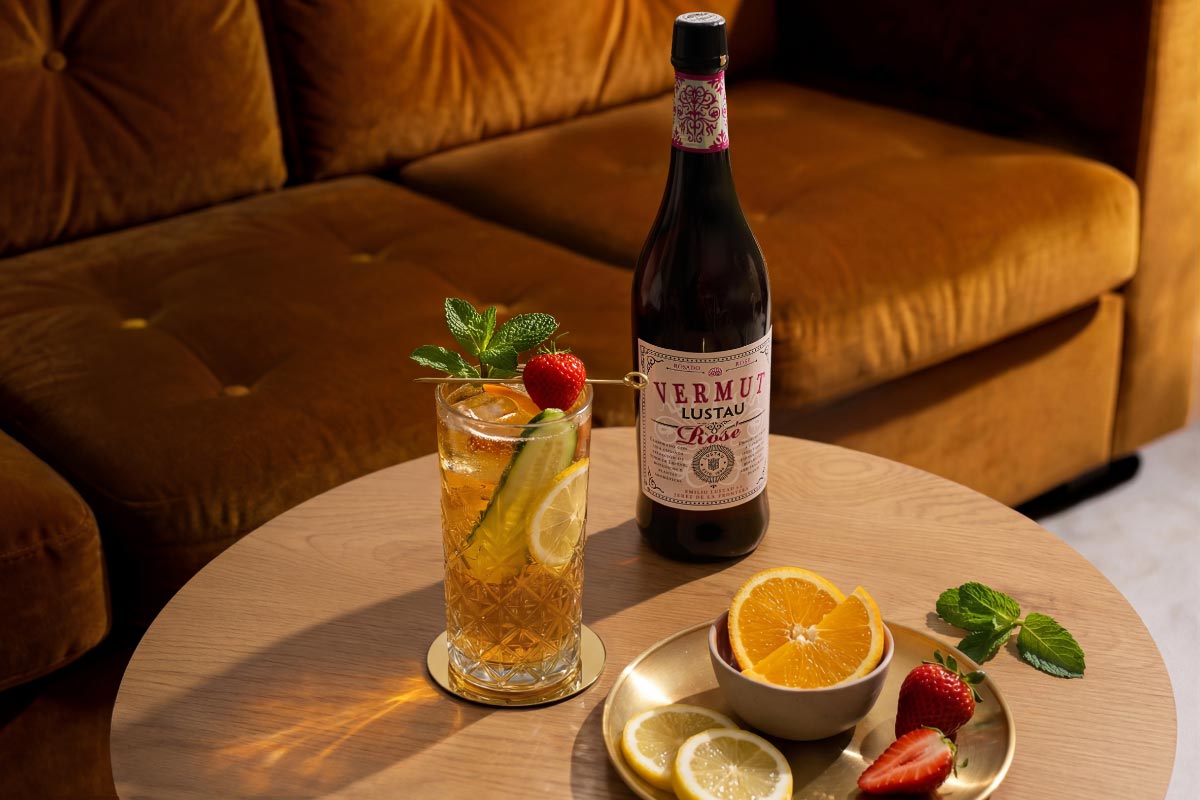
Why Vermut Lustau Rosé works so well in a Sherry’s Cup?
Vermut Lustau Rosé and Pimm’s No. 1 share more structural DNA than they appear to at first glance. Pimm’s is gin-based but at 25% ABV it behaves less like a spirit and more like a fortified wine in a drink. Vermouth is a fortified wine. Both are designed to be lengthened with a mixer, both have bitterness from botanical infusion, and both have that quality of being interesting rather than neutral. When you swap one for the other in a tall drink over ice with lemonade or ginger beer, the broad architecture of the cocktail survives intact. The substitution essentially trades Pimm’s idiosyncratic, slightly quirky herbal character for something more refined and wine-forward, while keeping the drink’s core profile of bitter, fruity, floral, cold and long intact.
Learn more about sherry-based vermouth and how it’s made below:
What glass is best to serve a Sherry’s Cup cocktail in?
The best glass to serve a Sherry’s Cup in is a highball glass. At 10-12oz (300-360ml), the tall, straight-sided glass holds enough ice to keep the drink cold, gives the garnishes room to arrange properly, and lets you see the drink’s layers and colours. A Collins Glass is interchangeable with a highball and works just as well. It is slightly narrower and taller, which actually shows off the garnish nicely. The one firm principle: whatever glass you use, it needs to be big enough to hold a generous amount of ice. A Sherry’s Cup/Pimm’s Cup that goes warm is a tragedy.
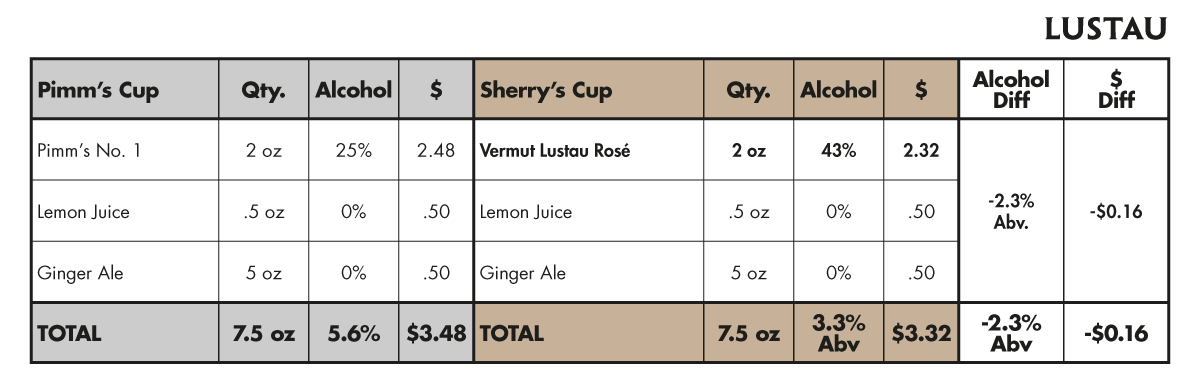
How much does it cost to make a Sherry’s Cup with Vermut Lustau Rosé?
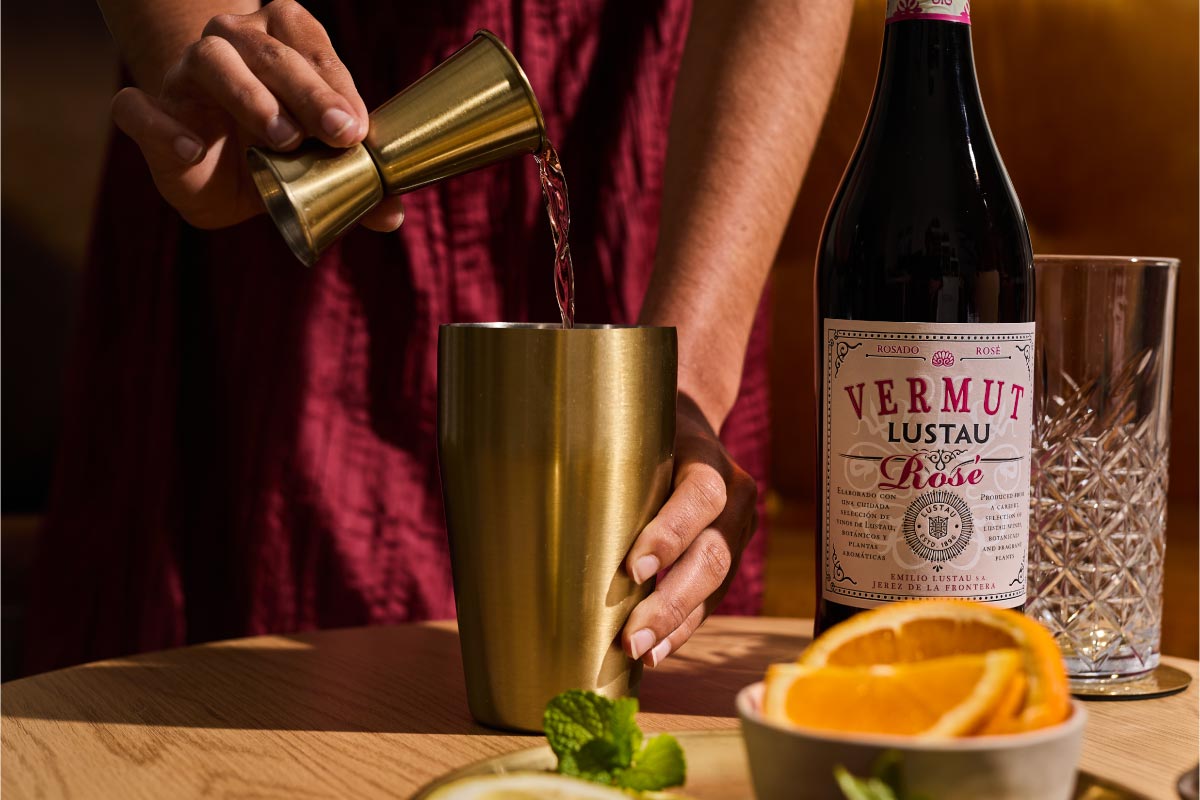
How to prepare a Sherry’s Cup with Vermut Lustau Rosé at home
Add Vermut and lemon juice to a highball glass filled with ice.
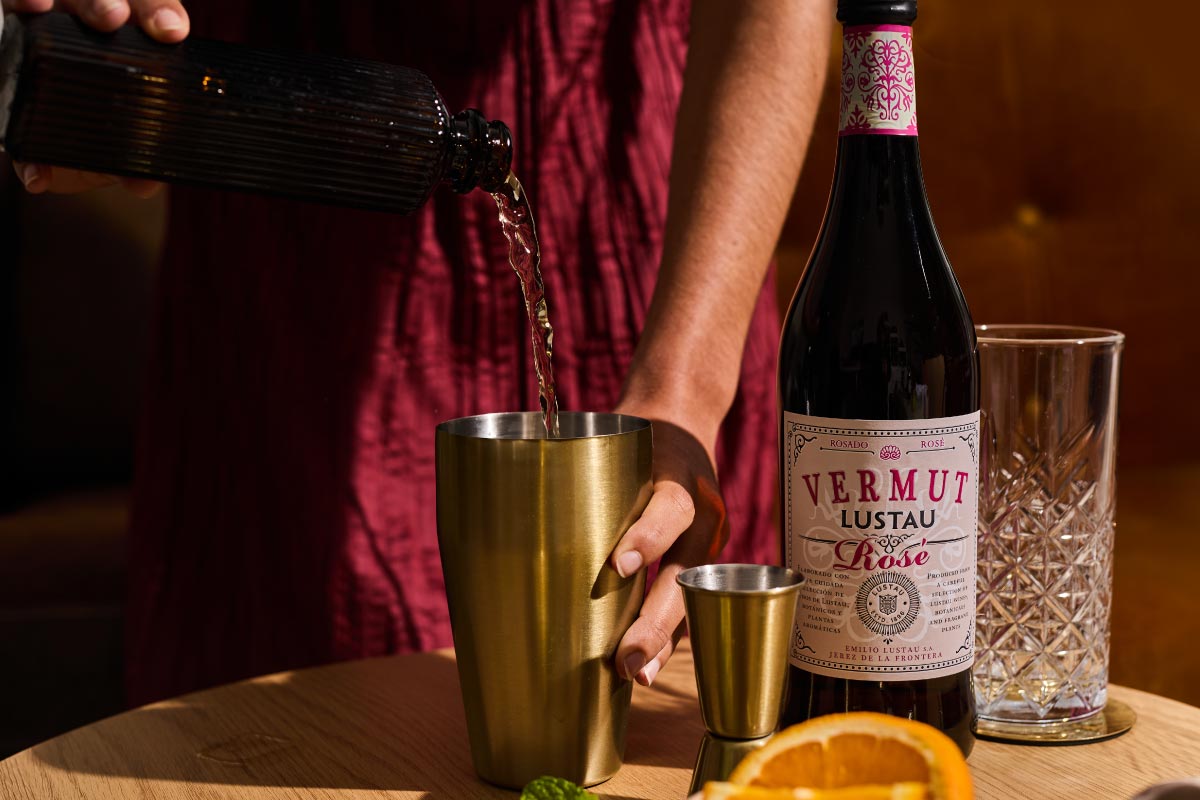
2. Top off with ginger ale and gently stir
3. Garnish with mint sprig, cucumber, and strawberries
FAQ
What ingredients are in a Sherry’s Cup cocktail?
A Sherry’s Cup has Vermut Lustau Rosé, lemon juice, and ginger ale, accompanied by mint, cucumber, and strawberry garnishes. If you’re feeling adventurous, try using another sparkling beverage to top up your Sherry’s Cup instead of ginger ale.
Here’s another cocktail recipe that combines Lustau and ginger flavors:
What is the difference between a Sherry’s Cup and a Pimm’s Cup?
The main difference between a Sherry’s Cup and a Pimm’s Cup is the base liqueur/wine. A Pimm’s Cup uses Pimm’s No. 1 while the Sherry’s Cup uses Vermut Lustau Rosé.
What type of vermouth is best for a Sherry’s Cup cocktail?
Any type of sherry based sweet vermouth can work well in a Sherry’s Cup. We chose Vermut Lustau Rosé due to its overall flavor profile, which compliments the other ingredients very nicely.