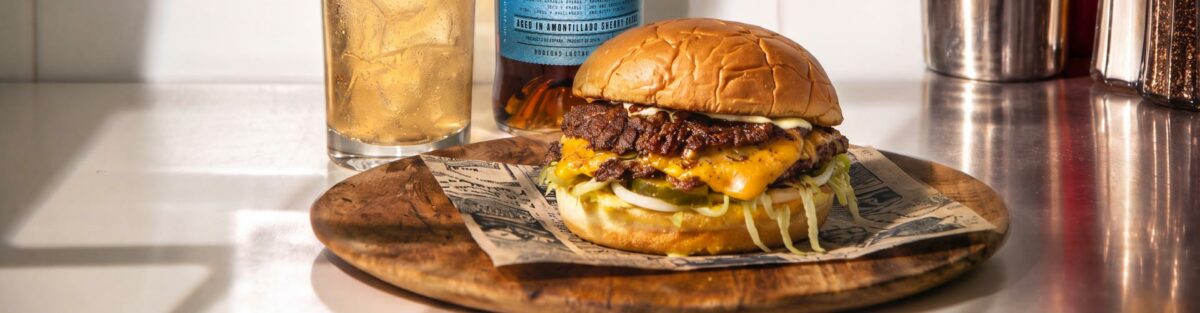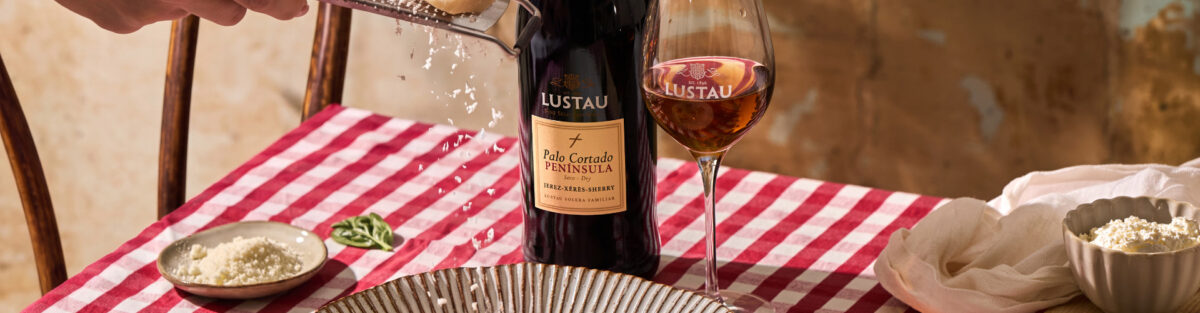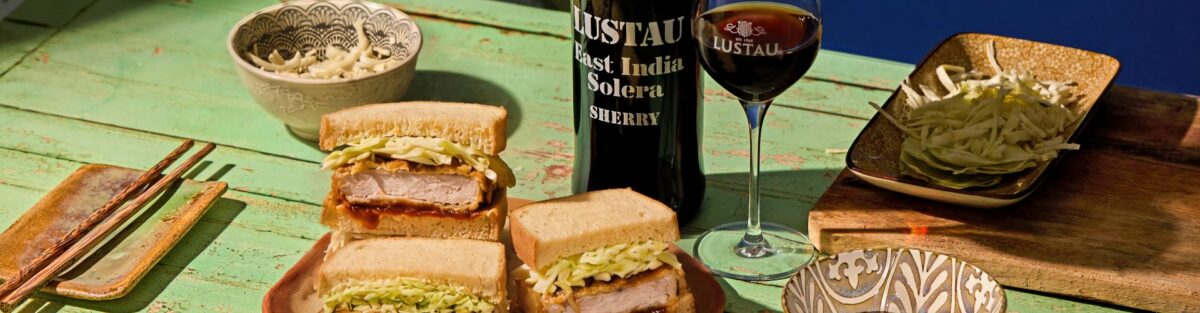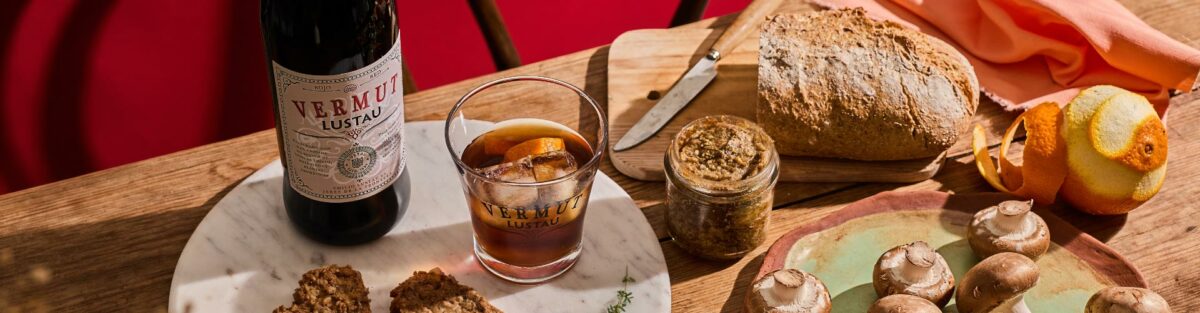

Sherry is one of the world’s most diverse and fascinating wine categories, yet it is often approached using the same tasting methods applied to conventional still wines. Learning how to taste sherry wine requires a slightly different perspective—one that places as much emphasis on aging, texture, salinity, and structure as it does on fruit and aroma.
Whether you are attending your first sherry wine tasting, building your own tasting flight at home, or simply looking to understand why a fino differs so dramatically from an oloroso or a pedro ximénez, developing a clear tasting framework will deepen both your knowledge and your enjoyment.
In this sherry tasting guide, we’ll explore how to evaluate appearance, aroma, palate, texture, dryness, sweetness, acidity, salinity, and finish while discovering how different aging methods shape each style. Along the way, Lustau’s extensive collection of biologically aged, oxidative, and sweet sherries provides an ideal opportunity to experience the extraordinary diversity that has made the wines of Jerez unlike any others in the world.
What Makes Sherry Wine Tasting Unique?
Learning how to taste sherry wine begins with understanding that sherry is not a single style of wine, but an entire family of wines shaped by different grape varieties, aging methods, degrees of oxidation, and levels of sweetness. Few wine regions in the world produce such a broad spectrum of styles, ranging from the delicate freshness of fino and manzanilla to the profound complexity of amontillado, palo cortado, oloroso, cream, moscatel, and pedro ximénez.
Unlike many still wines, where primary fruit aromas often dominate, sherry expresses itself through the influence of time and aging. This means that texture, balance, and finish often become just as important as aroma when evaluating the wine.
Approaching a sherry wine tasting with this broader perspective allows each style to be appreciated on its own terms, rather than measured against expectations developed from tasting conventional red or white wines.
The Influence of Biological and Oxidative Aging
One of the defining characteristics of sherry is the way it ages.
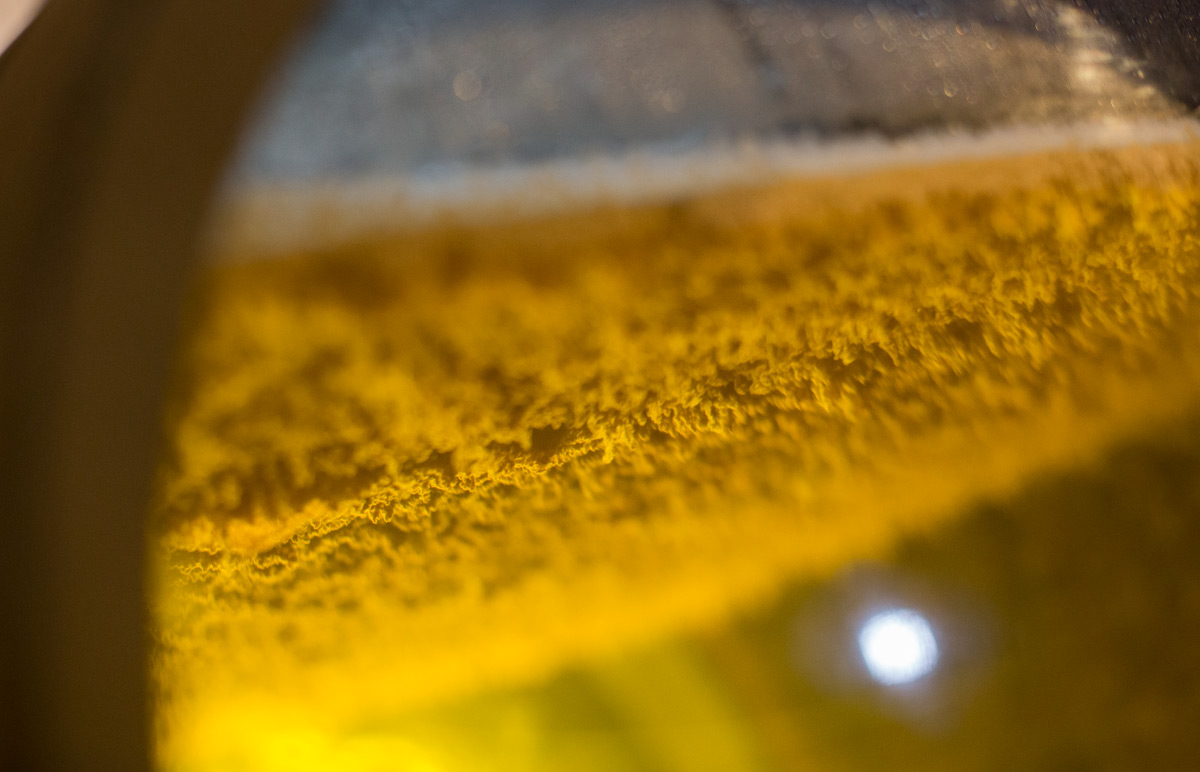
Some styles, including fino and manzanilla, mature under a natural layer of yeast known as “flor”. This process, called biological aging, protects the wine from direct contact with oxygen while creating the fresh, delicate, and saline profile for which these wines are renowned. Aromas of fresh bread dough, almonds, chamomile, green olives, and sea breeze are all hallmarks of flor’s influence.
Other styles develop through oxidative aging, where gradual exposure to oxygen transforms the wine over many years. This process creates deeper color, greater concentration, and aromas that can suggest walnuts, hazelnuts, caramel, spices, leather, tobacco, and dried fruits.
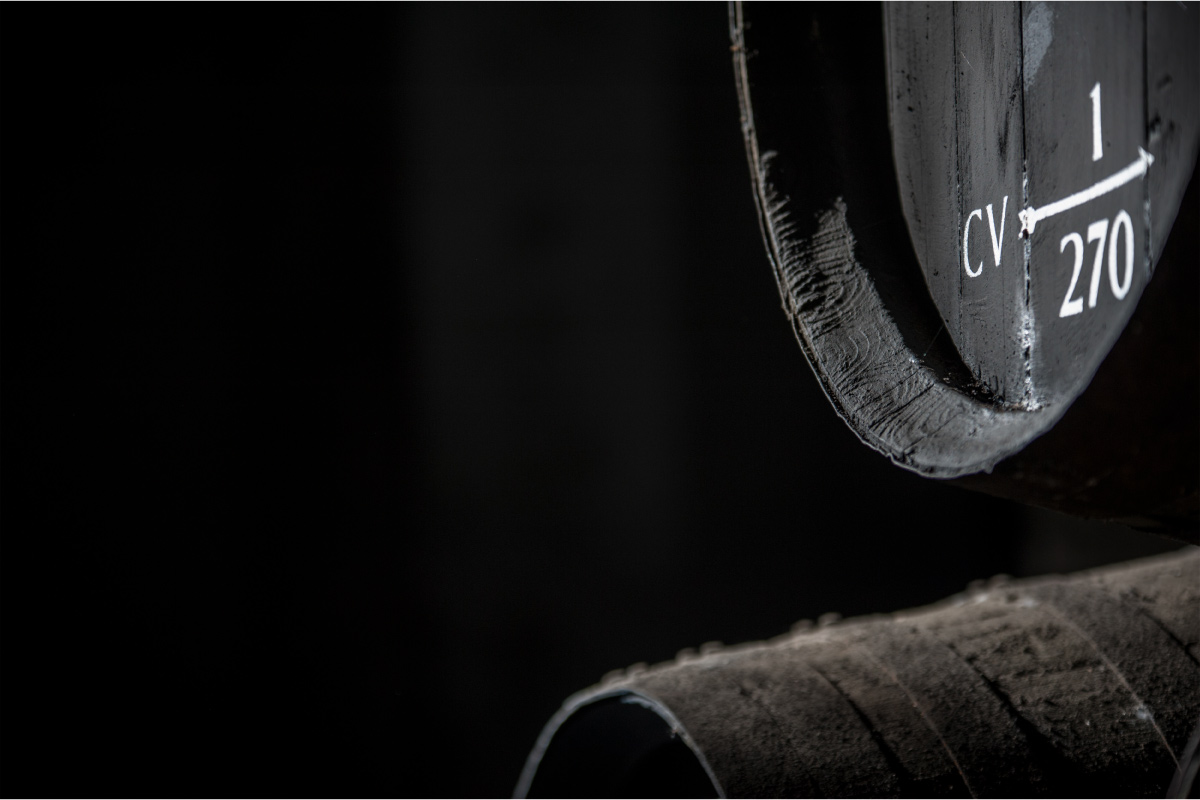
Some of sherry’s most celebrated wines, such as amontillado, combine elements of both aging methods, creating layers of complexity that reward careful observation and slow tasting.
Preparing for a Sherry Tasting
A successful sherry wine tasting begins long before the first sip. The right glassware, serving temperature, tasting order, and environment all influence how the wines express themselves. A few simple preparations allow each style to reveal its distinctive aromas, texture, and balance without distraction.
Whether you are tasting a single bottle or comparing several styles side by side, consistency is essential. Serve each wine under similar conditions, use appropriate glassware, and take notes as you progress. Recording your observations on appearance, aroma, palate, texture, and finish not only improves your tasting skills but also helps you recognize the remarkable diversity found across the different families of sherry.
For those wishing to explore the category more systematically, a curated selection such as the Lustau Mixed Case offers an excellent opportunity to compare multiple styles within a single tasting session.
Choosing the Right Glassware and Serving Temperature
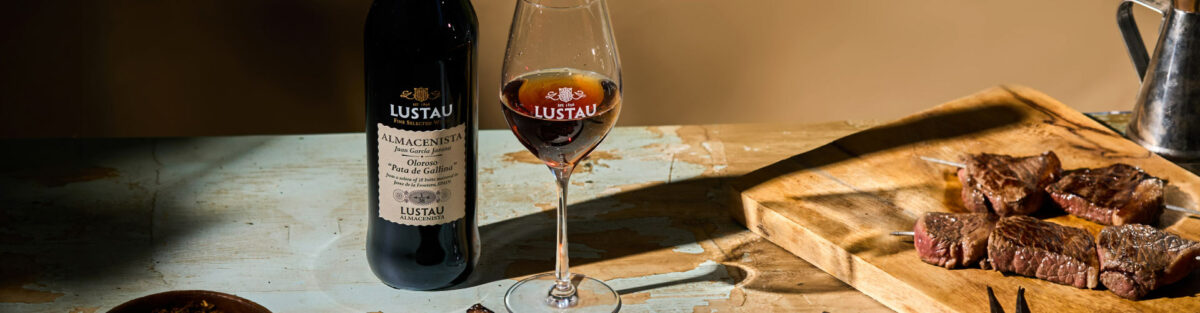
The ideal glass for sherry tasting is a tulip-shaped white wine glass that concentrates aromas while providing enough space for the wine to breathe. Avoid small glasses, which can limit aromatic expression and make it more difficult to appreciate the wine’s complexity.
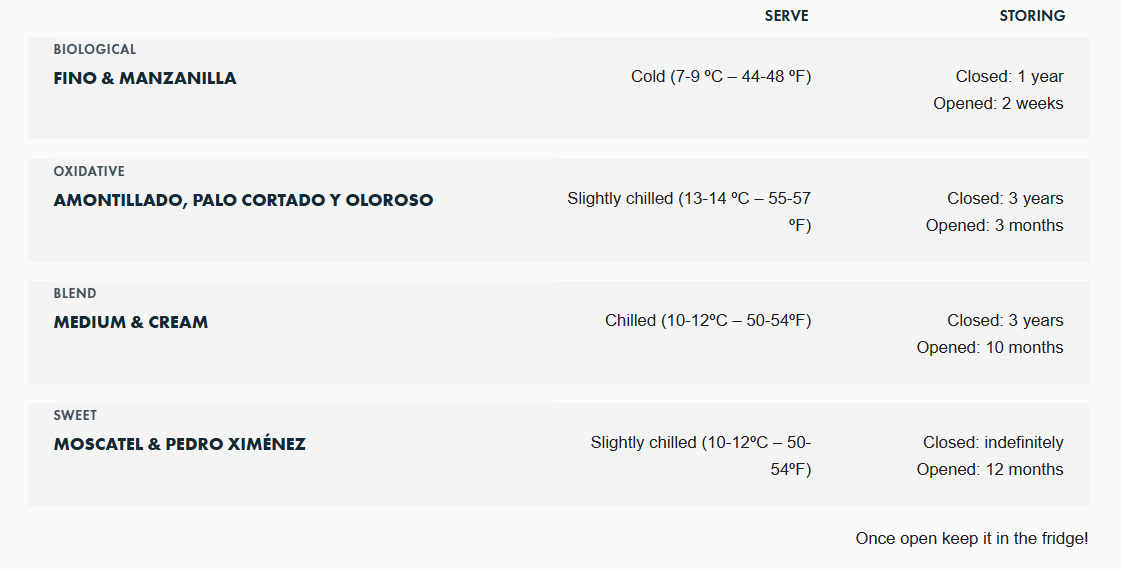
Serving temperature is equally important. Delicate biologically aged wines such as fino and manzanilla are best served cold, at 7–9°C (44–48°F), where their freshness, salinity, and flor-derived aromas are at their most expressive. Oxidatively aged styles—including amontillado, palo cortado, and oloroso—benefit from being served slightly chilled, around 13–14°C (55–57°F), allowing their layered aromas and greater complexity to unfold. Naturally sweet wines such as pedro ximénez and moscatel are best enjoyed chilled, at 10–12°C (50–54°F), while blended styles such as medium and cream are also ideally served at 10–12°C (50–54°F). Serving each style at its recommended temperature helps reveal the balance, texture, and aromatic character that define the wine.
Creating the Ideal Tasting Environment
A calm, neutral environment allows the wines to express themselves without interference. Avoid strong cooking aromas, scented candles, or heavily perfumed surroundings, as these can easily mask the subtle characteristics that distinguish one style from another.
If tasting several wines, begin with the lightest and driest styles before progressing toward richer oxidative wines and finishing with the sweetest expressions. Between samples, cleanse your palate with water and simple neutral foods such as plain bread or unsalted crackers.
Whether tasting alone or with friends, taking notes encourages a more thoughtful approach. Rather than focusing solely on identifying aromas, consider how each wine is structured. Is it fresh or mature? Delicate or powerful? Saline or sweet? Reflecting on these broader characteristics often reveals more about a sherry than simply listing individual flavor descriptors.
While a neutral environment is important for evaluating aromas, the overall atmosphere can still enhance the experience. Once the tasting begins, consider creating a setting that encourages slow observation and conversation. For inspiration, explore the rich connection between sherry and music, and discover how these wines have long been intertwined with the culture and traditions of Andalucía.
How to Taste Sherry Wine Step by Step
Learning how to taste sherry like a pro is less about memorizing tasting notes than about learning to observe how each wine has been shaped by time, aging, and winemaking. Rather than searching immediately for specific aromas or flavors, approach each glass with curiosity and allow the wine to reveal its personality gradually.
A systematic tasting encourages you to look beyond first impressions. By evaluating appearance, aroma, palate, texture, and finish in the same order each time, you’ll begin to recognize the distinctive characteristics that define each family of sherry and better appreciate the extraordinary diversity of the category.
Observe the Appearance
The first clues appear before the wine reaches your nose.
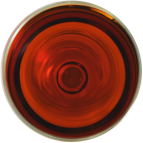
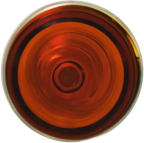
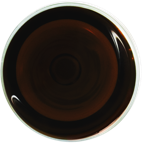
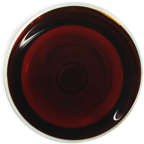
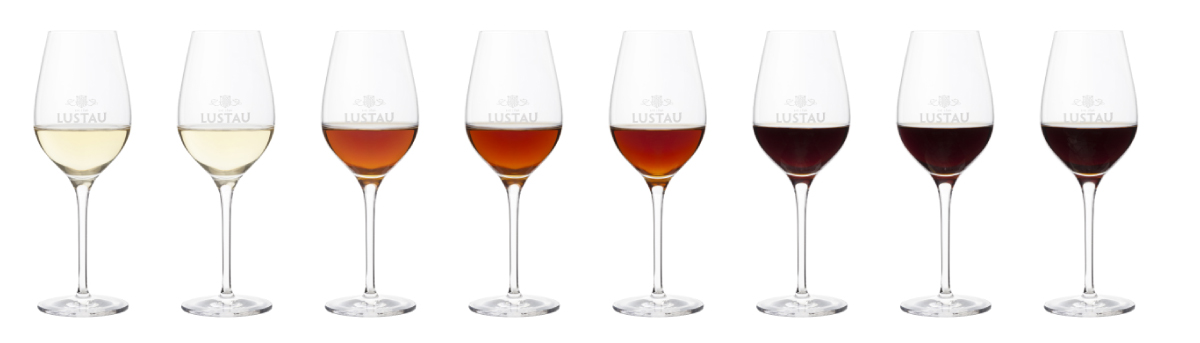
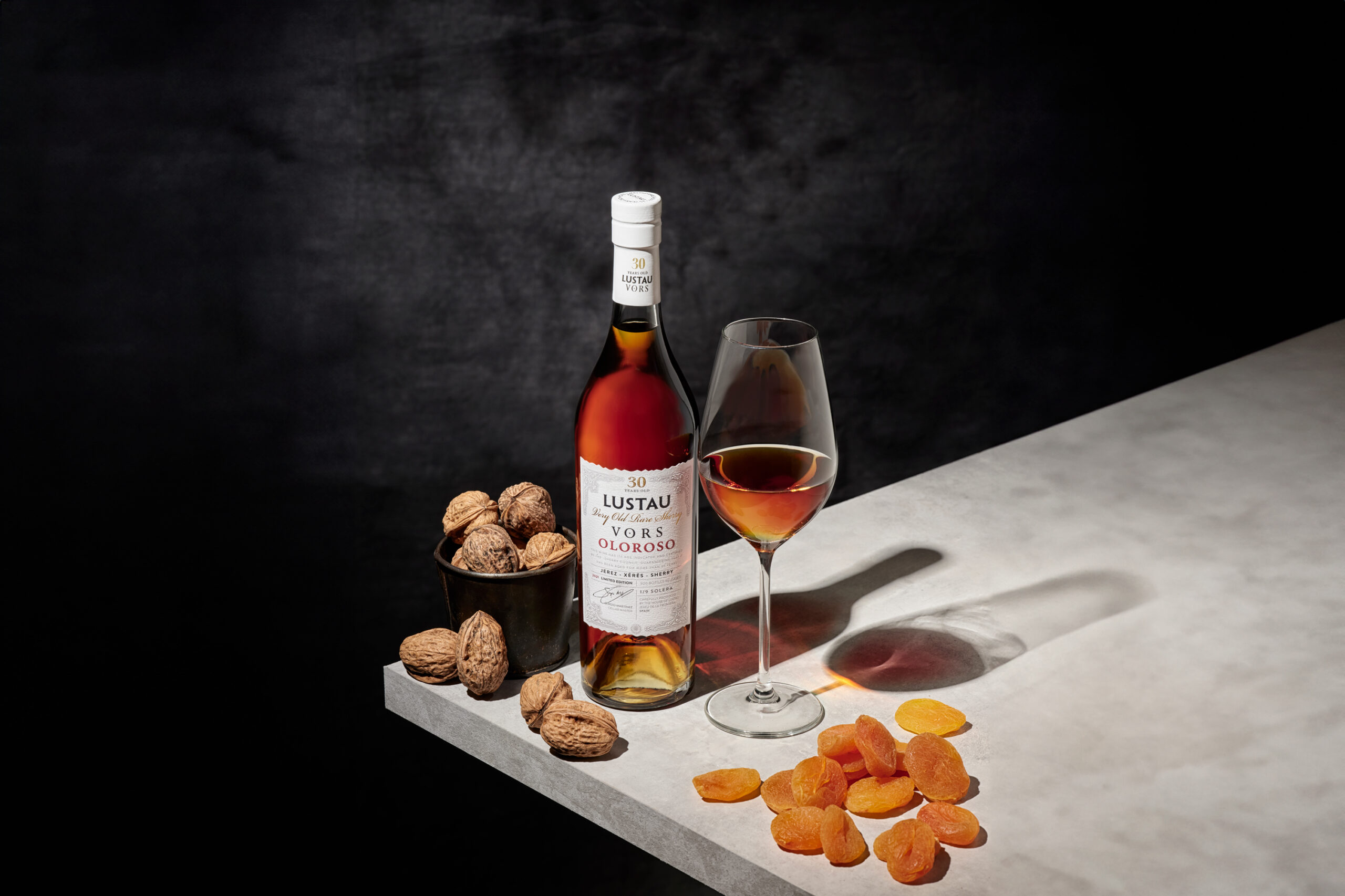
Hold the glass against a white background and observe its color, clarity, and brilliance. Biologically aged wines such as fino and manzanilla typically display pale straw or golden hues, reflecting their protected aging under flor. Oxidatively aged styles gradually deepen in color, ranging from amber in amontillado to rich mahogany in oloroso. Naturally sweet wines such as pedro ximénez often appear almost ebony in the glass.
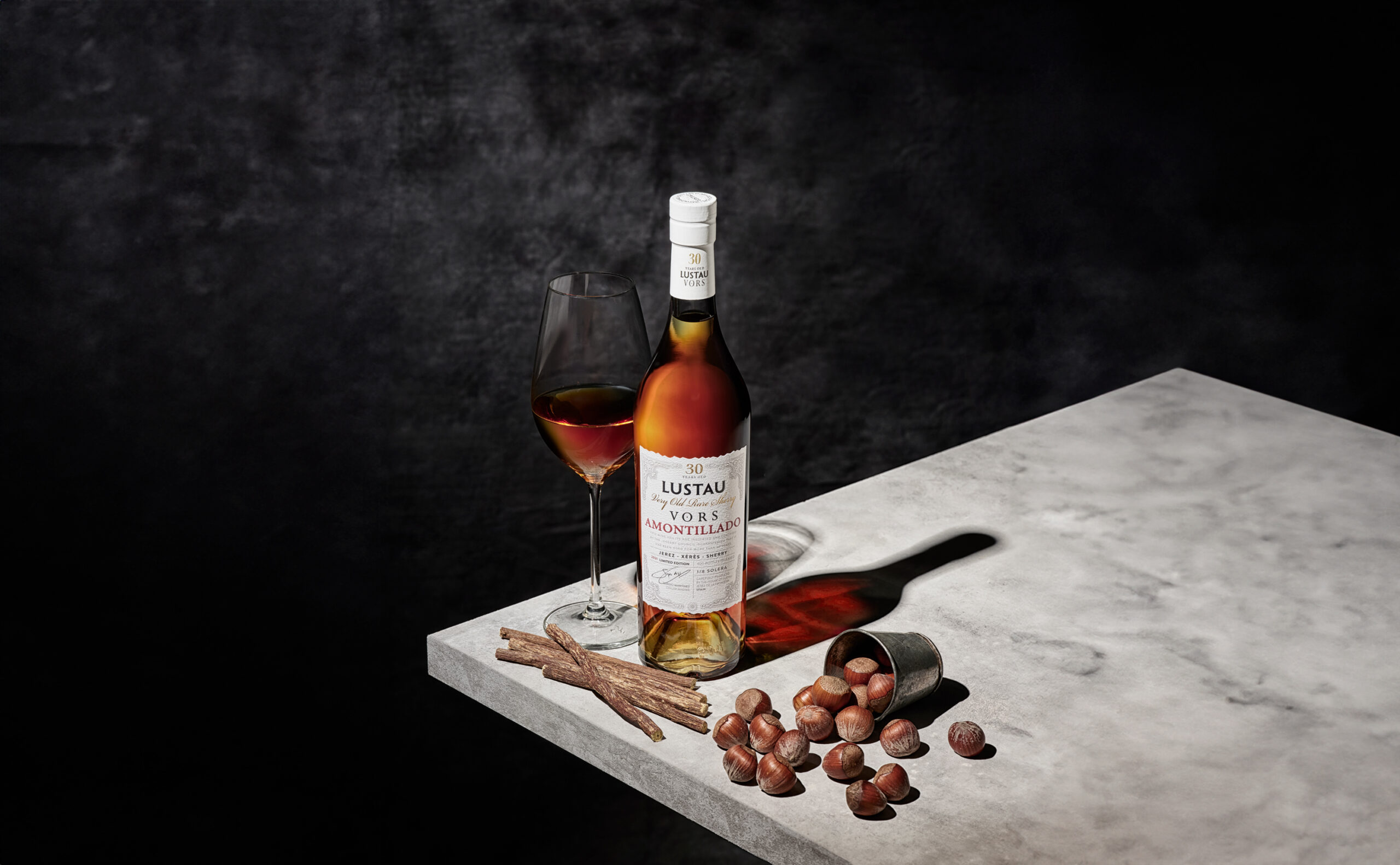
While color alone does not determine quality, it provides valuable insight into the wine’s style and aging process. Take a moment to appreciate its appearance before moving on to the aromas.
Evaluate the Aromas
Resist the temptation to identify every aroma immediately. Instead, begin by asking broader questions about the wine.
Does it feel fresh or mature? Delicate or powerful? Is the character driven by flor, by oxidation, or by sweetness? Only then begin exploring more specific aromas.
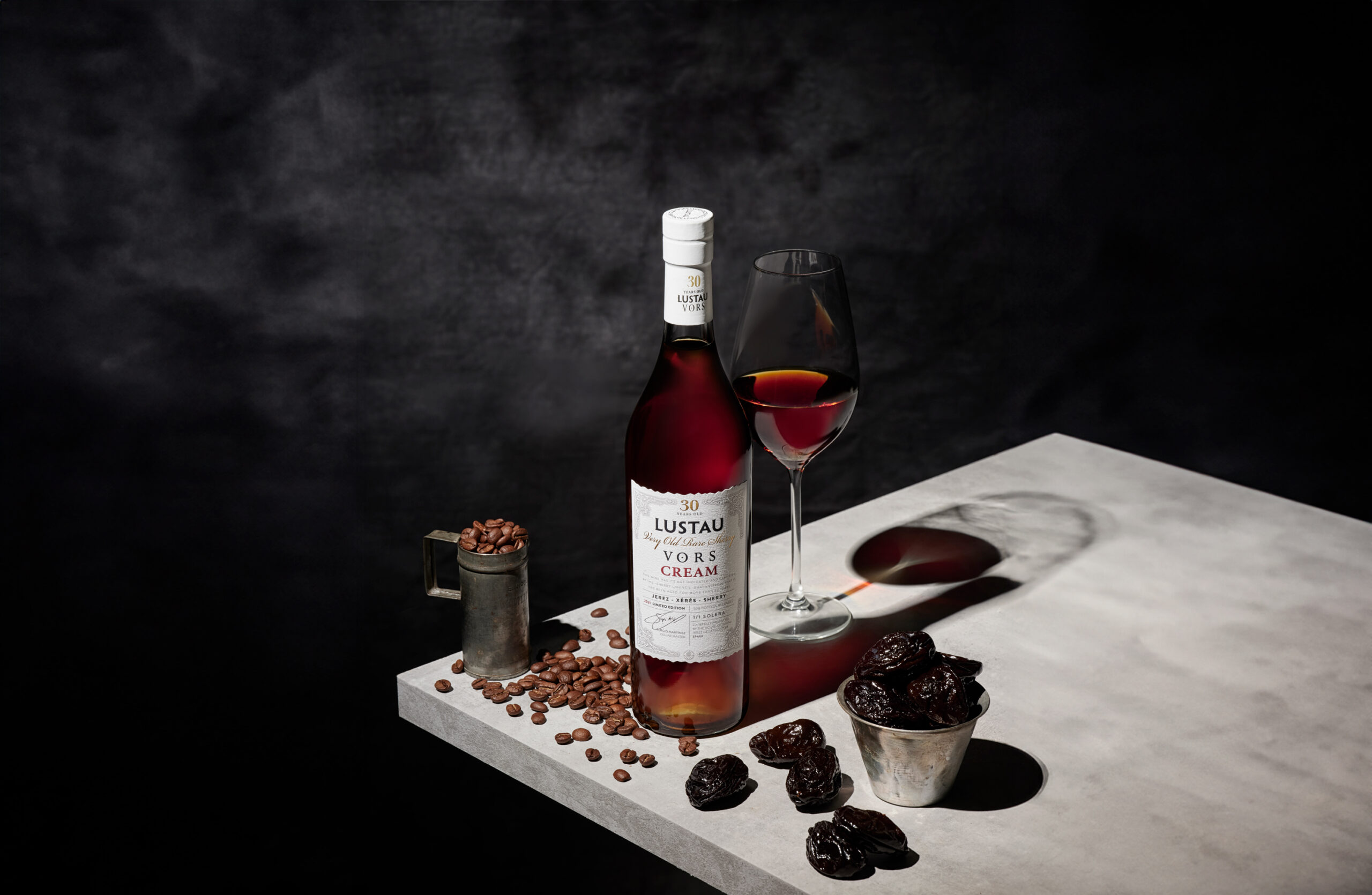
Biologically aged wines often suggest fresh bread dough, almonds, chamomile, green olives, and hints of the sea. Oxidatively aged styles tend toward walnuts, hazelnuts, dried fruits, spices, leather, tobacco, and polished wood. Sweet wines reveal layers of raisins, dates, figs, coffee, cocoa, caramel, and molasses.
Rather than trying to find every descriptor, focus on the overall aromatic profile and how the different aromas work together to express the wine’s identity.
Assess the Palate and Texture
Take a small sip and allow the wine to coat your entire palate before swallowing. Pay attention not only to flavor, but also to the way the wine feels in your mouth.
Consider its level of dryness or sweetness, the freshness provided by acidity, the impression of salinity, the weight of the wine, and its texture. Some sherries feel light, crisp, and almost weightless, while others are broad, silky, concentrated, or velvety. These structural elements often tell you as much about the wine as its individual flavors.
As you taste, think about balance. Do freshness, richness, sweetness, and intensity feel harmonious? Great sherries are defined not by a single dominant characteristic, but by the way all of their components work together.
Pay Attention to the Finish
The finish is often where sherry reveals its greatest complexity.
After swallowing, notice how long the flavors remain and how they evolve. Some wines leave a lingering saline freshness, while others gradually reveal layers of roasted nuts, spices, dried fruits, or sweet concentration. In many cases, the finish tells a more complete story than the first sip itself.
A long, balanced finish is one of the hallmarks of great sherry. The most memorable wines continue to develop long after they have left the palate, inviting another sip and, often, another discovery.
A Simple Sherry Tasting Framework
One of the easiest ways to improve your sherry tasting skills is to follow the same sequence every time you taste. A consistent framework helps you compare wines more objectively while allowing each style to express its own personality.
Rather than trying to identify every aroma or flavor immediately, focus on four simple steps: Look, Smell, Taste, and Reflect. With practice, this approach becomes second nature and encourages a deeper understanding of how each wine has been shaped by its grape variety, aging method, oxidation, and balance.
Look
Observe the wine’s color, clarity, and brightness before bringing the glass to your nose. Ask yourself what the appearance suggests about its age and style. Is it pale and luminous like a biologically aged fino, deep amber like an amontillado, dark mahogany like a mature oloroso, or almost opaque like an old Pedro Ximénez?
Smell
Take several gentle sniffs rather than one deep inhalation. Begin with the wine’s overall impression before looking for individual aromas. Does it feel fresh, savory, oxidative, floral, spicy, or sweet? As the wine opens in the glass, notice how its aromatic profile evolves over time.
Taste
Allow the wine to move across your entire palate. Consider more than flavor alone. Evaluate its sweetness or dryness, acidity, salinity, body, texture, intensity, and balance. Ask yourself how these structural elements interact rather than focusing only on tasting notes.
Reflect
Before taking another sip, pause for a moment. What defines this wine? Was it its freshness? Its concentration? The influence of flor? The complexity developed through oxidation? Reflecting on the overall experience helps build a stronger understanding of each style and makes future comparisons much more meaningful.
| The Lustau Four-Step Tasting Framework |
|---|
| Look → Observe color, clarity, and brilliance. |
| Smell → Identify the wine’s overall aromatic profile before individual aromas. |
| Taste → Evaluate structure, texture, balance, and flavor. |
| Reflect → Consider how aging, oxidation, and style define the wine. |
As your confidence grows, you’ll naturally encounter terms that describe sherry’s unique production methods, aging system, and styles.
To deepen your understanding, explore our glossary of essential sherry terminology and become familiar with the language that has defined the wines of Jerez for centuries.
Every Sherry Term You Need to Know About These Majestic Wines
Building Your Own Sherry Tasting Flight
One of the most enjoyable ways to explore sherry is by tasting several styles side by side. A carefully planned tasting flight highlights the extraordinary diversity of the category while making it easier to recognize how different aging methods, levels of oxidation, and sweetness influence the wines.
A curated selection such as the Lustau Mixed Case provides an ideal introduction, allowing you to compare multiple families of sherry in a logical progression without needing to assemble individual bottles yourself.

Choosing the Right Order of Wines
To appreciate each wine at its best, taste from the lightest and driest styles toward the richest and sweetest. This progression prevents more powerful wines from overwhelming those that are more delicate.
A classic tasting order is:
1. Manzanilla
2. Fino
3. Amontillado
4. Palo Cortado
5. Oloroso
6. Medium or Cream (optional)
7. Moscatel
8. Pedro Ximénez
Following this sequence allows your palate to build naturally from freshness and salinity toward greater richness, concentration, and sweetness.
How Food Can Enhance a Sherry Tasting
Although sherry can certainly be enjoyed on its own, tasting it alongside simple foods often reveals dimensions that are easy to overlook in the glass alone.
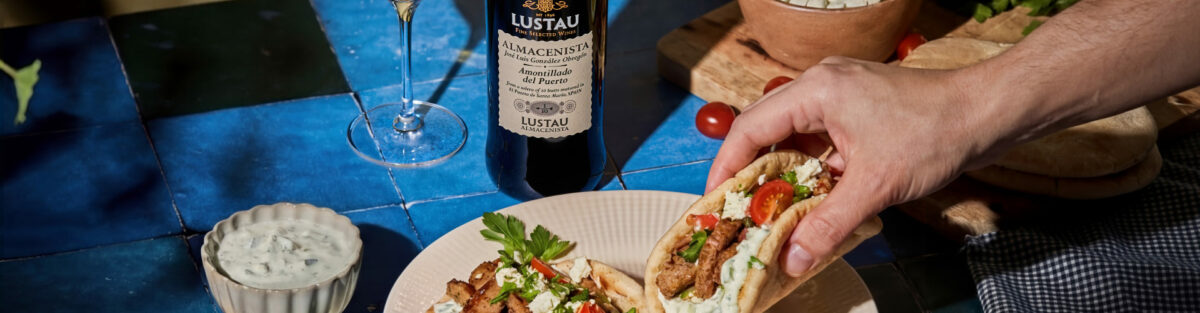
Neutral foods such as plain bread or unsalted crackers help refresh the palate between wines, while small bites including olives, Marcona almonds, aged cheeses, cured ham, or seafood allow readers to experience one of sherry’s greatest strengths: its remarkable affinity for food.
Rather than searching for a single perfect pairing, experiment with different combinations and observe how the wine changes with each bite. This practical approach not only makes the tasting more enjoyable but also illustrates why sherry has long been regarded as one of the world’s most versatile food wines.
If you’d like to explore how different styles of sherry perform throughout an entire meal, discover our guide to the best sherry wines for dinner and the many ways these remarkable wines can elevate the dining experience:
Common Mistakes When Tasting Sherry
Even experienced wine enthusiasts sometimes approach sherry with expectations shaped by conventional still wines. Avoiding a few common mistakes will help you appreciate the category more fully and allow each style to express its true character.
One of the most frequent mistakes is serving every sherry at the same temperature. Delicate biologically aged wines lose their freshness if served too warm, while oxidative styles may seem closed if served too cold.
Another common misconception is assuming that all sherries should taste alike. The category spans an extraordinary range of styles, from bone-dry and saline to rich, oxidative, and intensely sweet. Each should be evaluated according to its own balance and personality rather than compared against a single standard.
Finally, avoid focusing exclusively on fruit aromas. Unlike many still wines, sherry often expresses itself through notes developed during aging: bread dough, almonds, walnuts, spices, dried fruits, leather, caramel, and saline minerality frequently tell a more meaningful story than primary fruit alone.
Perhaps the most important advice is simply to slow down. Sherry rewards patience. Many of its finest aromas and textures become more expressive after a few minutes in the glass, making each return to the wine an opportunity to discover something new.
Frequently Asked Questions About Sherry Wine Tasting
What Is the Best Order for Tasting Sherry?
The ideal order is to move from the lightest and driest wines toward the richest and sweetest. A classic progression begins with manzanilla and fino, followed by amontillado, palo cortado, oloroso, medium or cream styles, and finishes with naturally sweet wines such as Moscatel and Pedro Ximénez. This sequence prevents more powerful wines from overwhelming the more delicate styles.
What Glass Should I Use for Sherry Tasting?
A tulip-shaped white wine glass is ideal for tasting sherry because it concentrates aromas while providing enough space for the wine to breathe. Its shape allows you to appreciate the subtle differences between biologically aged, oxidative, and sweet styles more effectively than very small glasses.
Should Sherry Always Be Served Chilled?
No. The ideal serving temperature depends on the style. Fino and manzanilla are best served cold; oxidative styles such as amontillado, palo cortado, and oloroso are best served slightly chilled, while sweet wines such as Pedro Ximénez and Moscatel are best enjoyed chilled. Serving each wine at its recommended temperature allows its aromas, texture, and balance to shine.
How Can I Improve My Sherry Tasting Skills?
The best way to improve is through regular comparison. Taste different styles side by side, follow a consistent tasting framework, take notes, and revisit wines over time. Exploring a broad range of styles—such as those found in the Lustau collection—will help you understand how biological aging, oxidation, sweetness, and time shape the remarkable diversity of sherry.