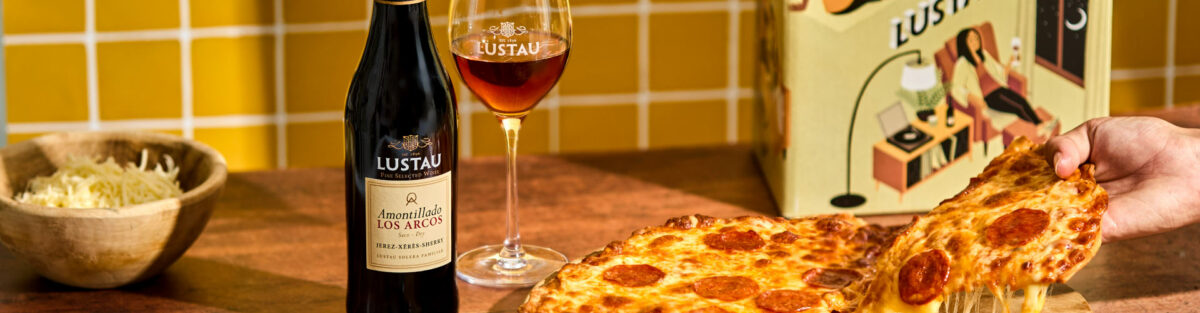






Sake and sherry rarely appear side by side in conversation. One belongs to the refined traditions of Japan, the other to the sunlit cellars of southern Spain. They are born from different raw materials, shaped by distinct techniques, and rooted in cultures that evolved oceans apart.
And yet, when approached from the perspective of structure rather than origin, the comparison becomes not only valid, but compelling.
Both sake and sherry move beyond the language of primary fruit. Instead, they build their identity through texture, transformation, and a remarkable affinity with food. Each, in its own way, explores how fermentation, time, and craftsmanship can create depth, balance, and a quiet sense of umami that resonates at the table.
This sake vs sherry comparison is therefore not simply about differences in production, but about a shared pursuit: the search for complexity without excess.
In the sections that follow, we will explore what defines each, how they are made, and where they converge—and diverge—in flavor, culture, and gastronomic potential.
What Is Sake and What Is Sherry?
At first glance, sake and sherry seem to belong to entirely different worlds. One is crafted from rice, the other from grapes. One is often associated with brewing, the other with winemaking. Yet both are the result of highly controlled fermentations, shaped by time, environment, and human intervention.
To understand the difference between sake and sherry, it is essential to look beyond simple definitions and focus instead on how each is transformed.
Understanding Sake: Japan’s Fermented Rice Beverage
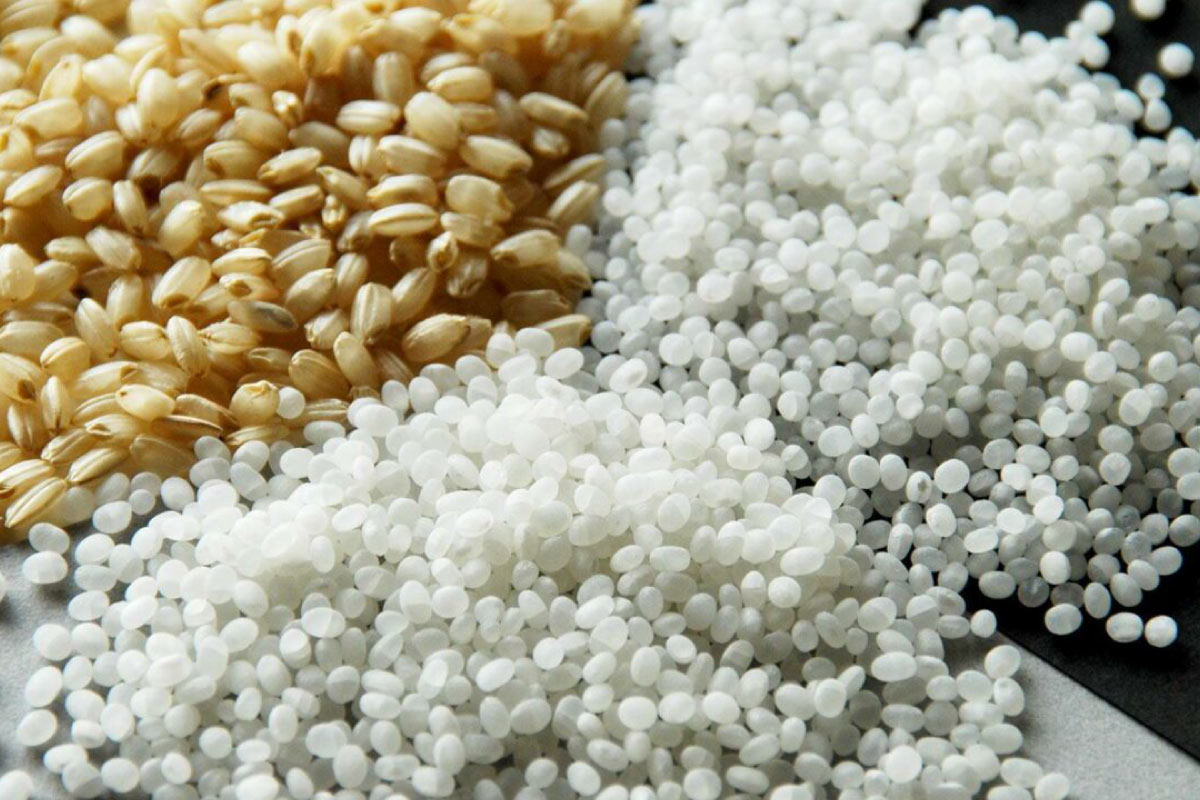
Sake, often referred to as nihonshu in Japan, is produced through the fermentation of polished rice. Unlike wine, where sugars are naturally present in the fruit, sake relies on a unique process in which starch is first converted into fermentable sugars before alcohol can be produced.
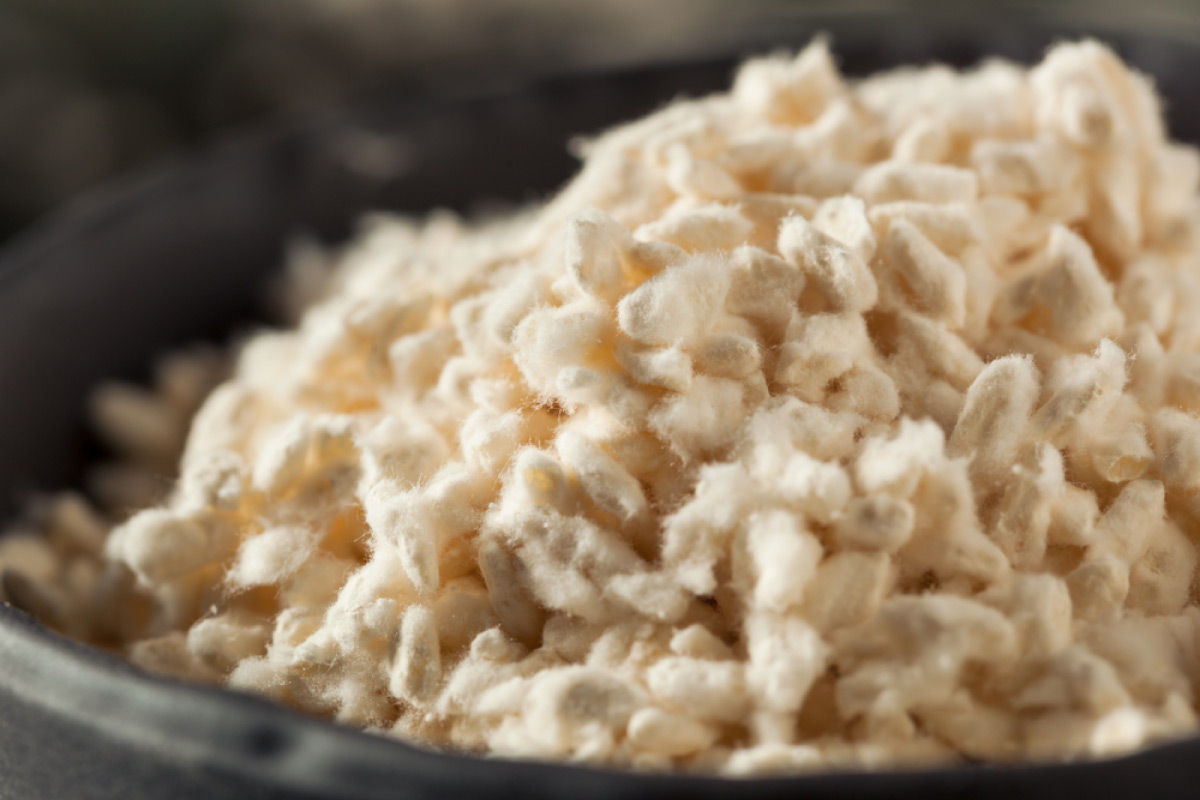
This transformation is driven by “koji”, a cultivated mold that plays a central role in sake production. Working in tandem with yeast, it allows for what is known as multiple parallel fermentation. The result is a beverage defined less by fruitiness and more by texture and subtle aromatic layers. Depending on style, sake can express notes ranging from delicate rice and steamed grains to melon, apple, or umami-rich nuances. Its structure is often smooth and cohesive, with a quiet depth that reveals itself gradually.
Understanding what is a sake drink therefore requires a shift in perspective: it is not simply fermented rice, but a carefully orchestrated process that transforms simplicity into complexity.
Understanding Sherry: Spain’s Historic Fortified Wine
Sherry is a wine produced in the historic region of Jerez, in southern Spain, primarily from the palomino grape. At its origin, it begins much like any other white wine—through the fermentation of grape juice. Yet what follows sets it apart entirely.
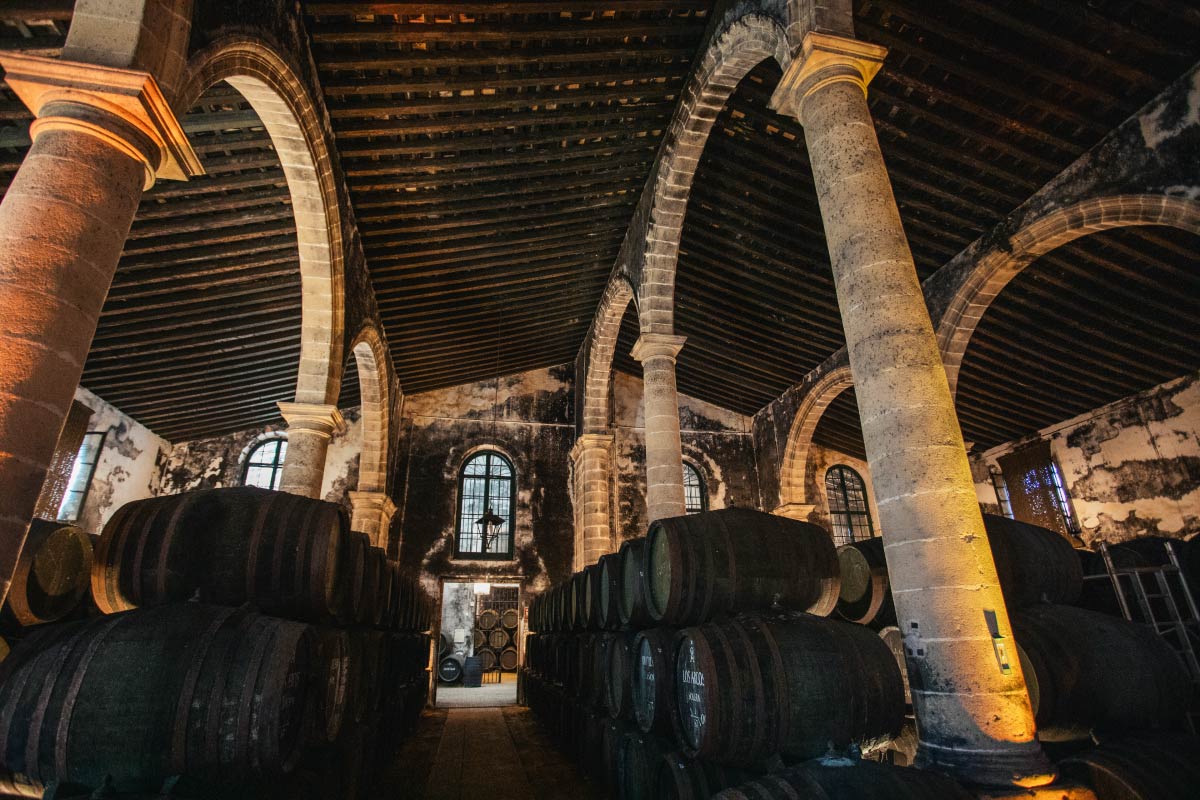
After fermentation, the wines are fortified and then aged in a dynamic system known as the solera and criadera. During this time, they may develop under a layer of “flor”—a living veil of yeast that protects the wine from oxygen—or evolve through controlled oxidative aging.
Learn what fortified wines are:
These two pathways give rise to a wide spectrum of styles, from the delicate and saline character of fino and manzanilla to the deeper, more structured profiles of amontillado and oloroso.
What defines what is sherry wine is not just its origin, but its transformation. Through time, blending, and the interplay between biology and oxygen, sherry becomes a wine shaped as much by process as by place.
How Sherry and Sake Are Made: Two Different Processes, One Shared Philosophy
At their core, sake and sherry are shaped by fundamentally different production methods. One transforms starch into sugar before fermentation can begin; the other ferments naturally occurring grape sugars and then evolves through fortification and aging.
And yet, beyond these technical differences lies a shared philosophy: both rely on carefully guided transformation to move beyond the simplicity of their raw materials. In each case, microorganisms, time, and environment play a decisive role in shaping the final expression.
Rather than emphasizing fruit, both traditions focus on texture, depth, and balance. It is here, in this pursuit of layered complexity, that sake and sherry begin to speak a common language.
Fermentation, Aging, and Craftsmanship in Sake Production
Sake production is defined by precision and control. The process begins with the polishing of rice, removing outer layers to reveal the pure starch core. This is followed by the introduction of “koji”, which converts starch into fermentable sugars. At the same time, yeast carries out alcoholic fermentation, resulting in what is known as multiple parallel fermentation—a hallmark of sake’s technical identity.
Temperature, timing, and microbial balance are meticulously managed throughout. Small variations can lead to significant differences in aroma, texture, and structure. In some cases, sake may be aged, developing deeper, more umami-driven characteristics, though many styles are designed to highlight freshness and clarity.
The craftsmanship lies not in intervention, but in guidance—allowing each stage to unfold with precision while preserving the integrity of the final expression.
The Solera System and Aging Process in Lustau Sherry
Sherry follows a different path, one defined not only by fermentation, but by aging and transformation over time. After fermentation, the base wine is fortified and introduced into the solera system—a dynamic method of fractional blending in which younger wines gradually integrate with older ones. This system ensures both consistency and complexity, allowing each bottling to carry the imprint of many vintages.
Here, craftsmanship lies in understanding evolution—knowing when to preserve delicacy, and when to allow transformation to take its course.
Sherry can be aged using the solera system and can also be a single vintage wine. Learn the differences here:
Flavor Profiles: How Sake and Lustau Sherry Compare
Neither category relies primarily on bold, fruit-driven aromatics. Instead, both build identity through texture, nuance, and the gradual unfolding of secondary and tertiary characteristics. This is where the sherry vs sake comparison becomes particularly compelling. In both, complexity emerges not from intensity, but from layering.
Umami, Freshness, and Texture in Sake
Sake is often defined by its sense of cohesion. Rather than presenting clearly separated aromatic notes, it tends to offer a seamless profile, where texture and flavor move together. This is largely due to its composition, particularly the presence of amino acids, which contribute to its characteristic umami richness.
Depending on style, sake can range from light and delicate to rich and expressive. Some display subtle fruit tones—melon, pear, or apple—while others lean more toward rice, cereal, and savory nuances. In more evolved examples, hints of mushroom, broth, or dried elements may emerge.
Yet even in its richer forms, sake rarely feels heavy. Its structure is smooth, often with a gentle viscosity, and a finish that lingers softly rather than sharply. Understanding the sake flavor profile means recognizing this balance between presence and restraint—a wine-like beverage that expresses depth without overt force.
Discover what is umami and its important role in flavor perception:
Complexity, Salinity, and Depth in Lustau Sherry
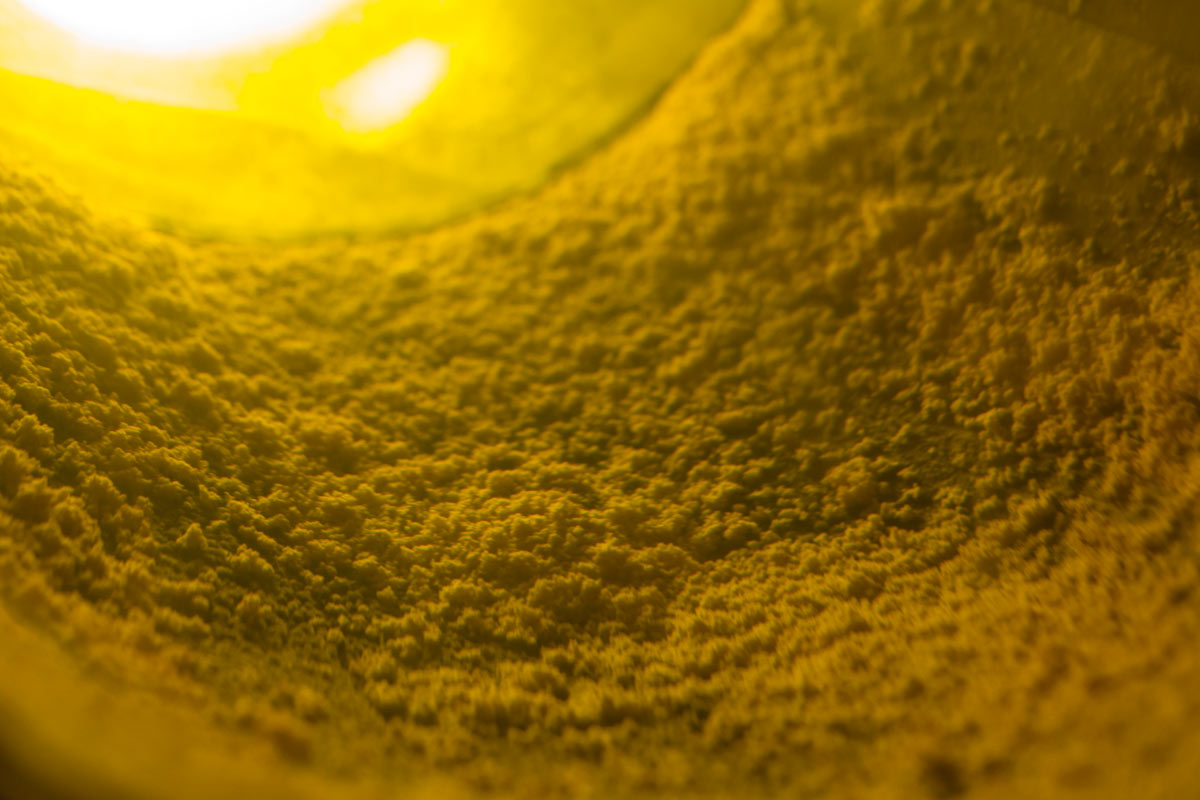
Sherry, by contrast, reveals its structure more distinctly. From the outset, its aromatic profile is mostly shaped by its aging process. Wines aged under “flor” express notes of almond, fresh dough, and a pronounced saline character, while those aged oxidatively develop deeper tones of toasted nuts, spice, and dried fruit.
In many cases, as with amontillado, these two processes intersect. A wine may begin its life under “flor” before transitioning into oxidative aging, creating a profile that combines freshness with depth.
Texture plays a central role here as well. Glycerol contributes to a sense of roundness, while the wine’s dryness and acidity maintain definition. The result is a wine that feels both precise and expansive.
However, that glycerol is not expressed uniformly across all styles. In biologically aged wines such as fino and manzanilla, flor consumes glycerol, resulting in a notably leaner, more incisive texture. By contrast, styles shaped by oxidative aging—such as oloroso and palo cortado—tend to show higher levels of glycerol, whether preserved or concentrated over time, contributing to a broader, more enveloping mouthfeel.
Sherry “flor”
This is the essence of a sherry tasting profile: a balance between liveliness and depth.
Cultural Significance and Tradition
Beyond production and flavor, sake and sherry are deeply rooted in the cultures that shaped them. Each carries a sense of place that extends far beyond geography—into rituals, social customs, and the way food and drink are woven into everyday life.
While their histories unfold in very different contexts, both have evolved as beverages meant to accompany food, to foster connection, and to reflect a broader philosophy of balance and harmony.
The Role of Sake in Japanese Culture and Dining
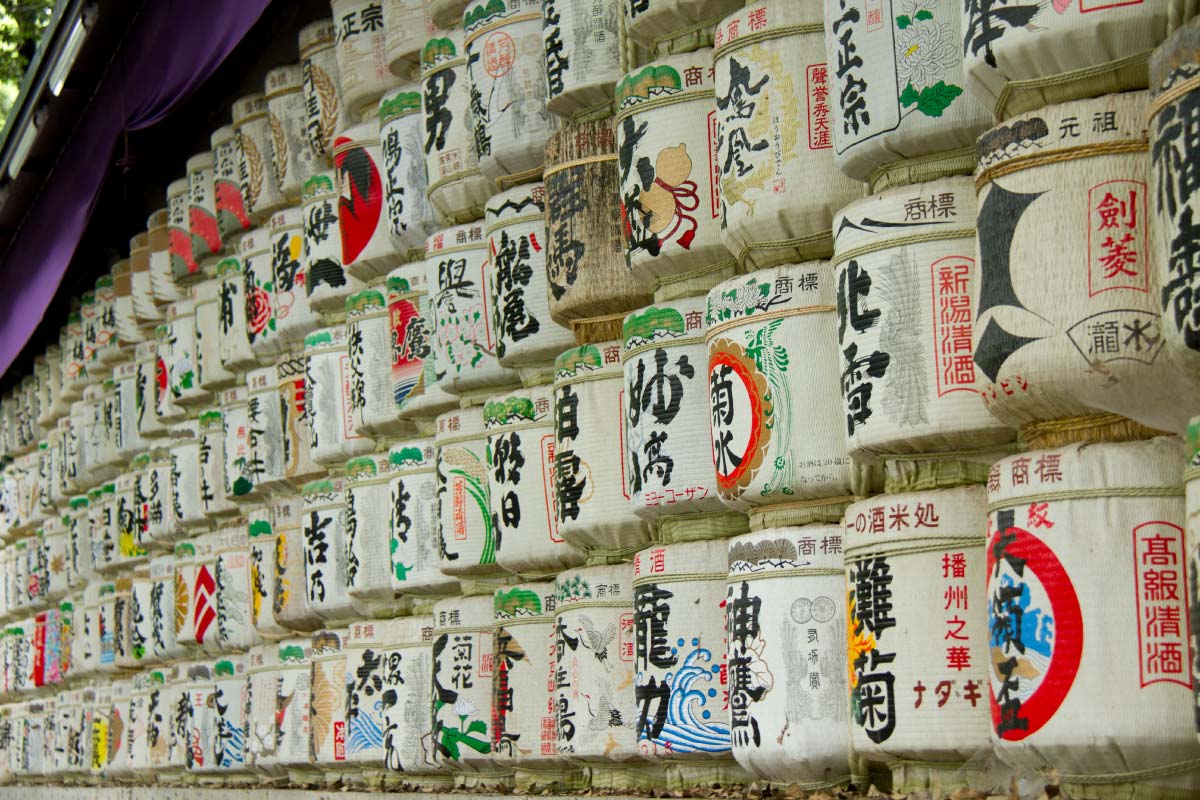
In Japan, sake occupies a space that is both ceremonial and familiar. It is present in religious rituals, seasonal celebrations, and formal occasions, yet equally at home in casual meals and intimate gatherings. Its versatility is reflected not only in style, but also in service: sake may be enjoyed chilled, at room temperature, or gently warmed, depending on the expression and the context.
Perhaps most importantly, sake is inseparable from food. It is designed to complement rather than dominate, aligning with the subtlety and precision of Japanese cuisine. Its umami-driven profile allows it to integrate seamlessly with dishes built on dashi, fermented ingredients, and delicate textures.
In this way, sake reflects a broader cultural sensibility—one that values balance, restraint, and the quiet enhancement of the dining experience.
The Heritage and Cultural Importance of Sherry in Spain
Sherry, particularly in Andalusia, is equally embedded in daily life, though expressed through a different cultural lens. In the towns of Jerez, Sanlúcar de Barrameda, and El Puerto de Santa María, sherry is not reserved for special occasions—it is part of the social fabric. It is enjoyed standing at the bar, shared among friends, and paired naturally with a wide range of foods, from simple tapas to more elaborate dishes.
Its diversity of styles allows it to accompany an entire meal, from aperitif to dessert, adapting effortlessly to different moments and moods. This flexibility has long made sherry one of the most gastronomically versatile wines in the world.
There is also a strong sense of continuity. The solera system, the aging facilities, and the transmission of knowledge across generations all contribute to a tradition that is both preserved and alive.
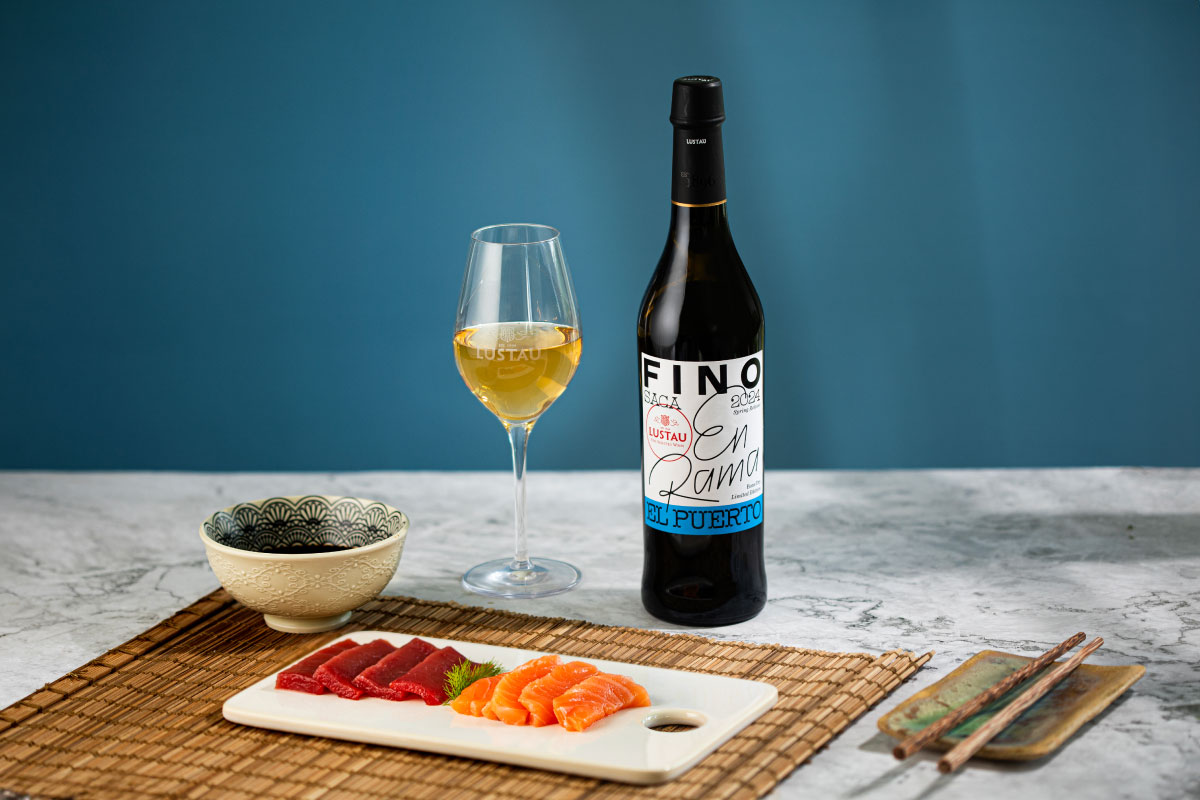
If sake reflects harmony through precision, sherry expresses it through diversity—yet both ultimately serve the same purpose: to elevate the experience of food, and to bring people together around the table.
Key Differences Between Sake and Sherry Explained
While sake and sherry share a surprising affinity in structure and gastronomic purpose, their identities are ultimately defined by fundamental differences. Understanding these distinctions allows for a more precise appreciation of each, and helps clarify when one may be more suitable than the other.
Ingredients, Alcohol Content, and Production Techniques
The most immediate difference lies in the raw material. Sake is produced from rice. This process, driven by “koji”. Sherry, by contrast, begins with grapes—primarily palomino—whose natural sugars are fermented into alcohol. The wine is then fortified, increasing its alcohol content and preparing it for extended aging.
Alcohol levels typically reflect this difference. Sake generally ranges between 14% and 16% alcohol, while sherry spans a broader spectrum, from around 15% in biologically aged styles to over 20% in more oxidative expressions.
Production techniques further define their identities. Sake emphasizes controlled fermentation and precision at each stage, while sherry relies on aging, blending, and the interplay between biological and oxidative processes.
This contrast captures the essence of how sherry is made vs sake: one builds complexity primarily during fermentation, the other through evolution over time.
Aging Potential and Flavor Evolution
Time plays a role in both categories, but in markedly different ways. Most sake is crafted to be enjoyed relatively young, where its freshness, purity, and aromatic clarity are at their peak. While aged sake exists and can develop deeper, more umami-driven characteristics, it remains a smaller segment within the broader category. Sherry, on the other hand, is defined by aging.
This difference has a direct impact on flavor evolution. Sake tends to express immediacy and cohesion, while sherry reveals a more pronounced sense of progression, with flavors that deepen and expand over time.
When to Choose Sake or Sherry
If sake and sherry share a common strength, it is their ability to elevate food without overwhelming it. Yet each does so in its own way, and understanding when to reach for one or the other depends less on rules than on intention.
Occasions, Pairings, and Personal Preference
Sake texture and umami-driven profile make it an ideal companion for dishes built on delicacy—sashimi, lightly seasoned vegetables, or preparations where balance is defined by restraint. It integrates quietly, enhancing without drawing attention to itself.
Sherry, by contrast, offers a broader spectrum of expression. From the freshness of fino and manzanilla through the layered depth of oloroso, to the decadent sweetness of pedro ximénez, it can adapt to a wide range of dishes and occasions. Its structure allows it to engage more actively with food—cutting through richness, amplifying savory elements, and bringing contrast where needed.
In this sense, the choice often reflects the role you want the beverage to play: a subtle companion, or a more defined and expressive partner. Both approaches are valid—and both are deeply rewarding.
Exploring Lustau Sherry as an Alternative to Sake
For those who appreciate sake, sherry offers a natural and often surprising point of exploration. Certain styles—particularly fino, manzanilla, and amontillado—share key structural qualities with sake: dryness, umami affinity, and a relative absence of dominant fruit. These characteristics allow them to perform in similar gastronomic contexts, especially alongside dishes that emphasize savory depth and textural balance.
Where sherry differs is in its added dimension of aging. Even in its lighter expressions, it carries a sense of evolution that introduces new layers of aroma and flavor—nuts, saline notes, gentle oxidation—that can expand the pairing experience.
Approached in this way, sherry is not a replacement, but an extension. For those familiar with sake, it opens the door to a parallel world—one that speaks a different language, yet often tells a similar story at the table.
This is where a Lustau sherry guide becomes particularly valuable: not as a substitute, but as an invitation to explore new expressions of balance, complexity, and food affinity:
Frequently Asked Questions About Sake and Sherry
Is sake stronger than sherry?
Not typically. Most sake ranges between 14% and 16% alcohol, placing it in a similar range to biologically aged sherries such as fino and manzanilla. However, many sherry styles are fortified to higher levels, with amontillado, oloroso, and palo cortado often reaching between 17% and 20% alcohol.
So while there is some overlap, sherry generally spans a broader and higher range.
What are the main differences between sake and sherry?
The primary differences lie in their ingredients, production methods, and aging. Sake is made from rice through a process that converts starch into sugar before fermentation, resulting in a beverage defined by texture and umami. Sherry, by contrast, is made from grapes, fortified after fermentation, and shaped by aging—either under “flor” or through oxidation. In short, sake builds complexity mainly during fermentation, while sherry develops it over time.
Can sherry replace sake in food pairings?
In many cases, yes—particularly in dishes where umami, salinity, and balance are key. Styles such as fino, manzanilla, and amontillado share structural qualities with sake, including dryness and a strong affinity with savory foods. They can perform exceptionally well with a wide range of cuisines, from seafood and vegetables to fermented and umami-rich preparations. Rather than a direct replacement, sherry can be seen as an alternative expression—one that offers additional layers of complexity through aging.
Which Lustau sherry is best for sake drinkers?
For those familiar with sake, the most approachable entry points are typically fino, manzanilla, and amontillado. Their freshness, dryness, and saline character align closely with the structure of many sake styles. Together, these styles provide a compelling introduction to the diversity of sherry.
Do sake and sherry share similar flavor characteristics?
Yes, particularly in their emphasis on umami, subtlety, and texture. Both tend to move away from overt fruitiness, instead expressing layered, savory, and gently evolving profiles. This shared sensibility is what makes them so effective at the table, especially alongside dishes that value balance and nuance. It is within these sherry and sake similarities that the comparison becomes most meaningful.