






Few cocktails possess the enduring authority, quiet elegance, and cultural weight of the Dry Martini. Described by American journalist H.L. Mencken as “the only American invention as perfect as the sonnet,” the drink is deceptively simple: spirit, dry vermouth, ice, and a garnish. Yet behind that minimalism lies more controversy, personal dogma, and technical nuance than almost any other beverage in history.
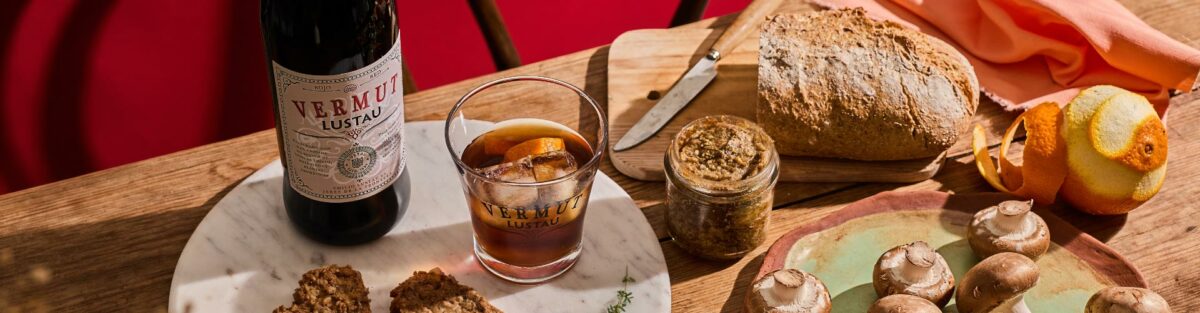
Martini culture has evolved significantly over time and is now the perfect vessel to showcase a wide array of vermouths, fortified wines, and modern interpretations. Today’s Martini landscape is increasingly defined by briny cocktails, savory cocktails, and more vermouth-forward serves, where the modifier becomes just as important as the spirit itself. Vermut Lustau works particularly well in this environment because its expressions are built on sherry wines, offering greater depth, salinity, texture, and gastronomic complexity than many conventional vermouths. Rather than serving a single Martini style, this collection provides different tools for crafting everything from a classic Dry Martini to a Dirty Martini, Perfect Martini, or contemporary low-ABV variation. Explore the Vermut Lustau collection and discover how sherry vermouths can help reassemble the Martini for modern drinkers.
Why the Dry Martini is becoming a collection, not just one cocktail
The Dry Martini is undergoing its most significant evolution since the mid-20th century. It is shedding its identity as a singular, rigid recipe and becoming an expansive category. Where mid-century cocktail culture policed the Martini with dogmatic rules, debating 5:1 versus 15:1 ratios or gin versus vodka, contemporary bartending treats the Dry Martini as an architectural matrix. It is no longer defined by one exact bottle pairing, but by a precise structural balance between spirit, fortified modifier, salinity, and texture.
For decades, dry vermouth was relegated to an afterthought, often kept on warm back bars until oxidized beyond recognition. The renaissance of fortified wines transformed the “modifier” half of the recipe into a primary flavor engine. Dry wines like fino and manzanilla are biologically aged under a layer of yeast called “flor”, which brings crisp acidity, saline minerality, and almond nuances that other vermouths cannot replicate. Bartenders routinely blend dry French vermouth with off-dry, floral, or botanical white vermouths to add body, texture, and complex citrus oils without adding cloying sweetness.
Alternative fortified selections like dry saké, dry Madeira, aromatized wines, and oxidative aperitifs are now frequently substituted or blended as split vermouth bases to tailor the cocktail to specific spirits.
The move toward culinary techniques has elevated the traditional olive or twist into complex flavor components. Fat-washing products like olive oil-washed gins, toasted sesame infusions, and brown butter washes create a silky, mouth-coating viscosity while preserving a bone-dry finish. Salinity from olive brine has evolved into precise saline solutions, MSG drops, dashi infusions, oyster shell distillates, and caperberry brines. Pickled ramps, cocktail onions, house-made fermentations, and fermented vegetable juices have turned the Gibson into one of the fastest-growing sub-categories of the Martini family. By shifting from a single rigid recipe to a framework of proportions and flavor vectors, the Dry Martini has secured its place not just as a classic drink, but as one of the most versatile categories in modern mixology.
Learn more about the Gibson here:
The role of Vermut Lustau in Martini-style cocktails
In the modern Martini landscape, vermouth is no longer treated merely as a diluent or a background acidity check; it serves as a primary flavor engine and textural modifier. Vermut Lustau occupies a singular role in Martini-style cocktails due to its fundamental departure from standard vermouth production: its base is built directly from authentic, solera-aged sherry wines rather than neutral, unaged white wines. By utilizing aged fino, moscatel, amontillado, and pedro ximénez as a foundational canvas, Lustau brings an unmatched structural weight, natural salinity, and complex oxidative depth to Martini templates.
Lustau’s approach fundamentally alters cocktail mechanics. The inclusion of biologically and oxidatively aged sherries imparts naturally occurring glycerols and integrated acid structures. In a Martini, this creates a velvety mouthfeel without requiring heavy simple syrup dosages or artificial mouthfeel modifiers.
Imagen: Vermut Lustau
Vermut Lustau Dry
The manzanilla sherry base used in Vermut Lustau Dry contributes distinctive notes of flor, saline freshness, and coastal minerality shaped by its origin in Sanlúcar de Barrameda. These naturally savory elements bring precision and tension to a Martini, enhancing the juniper character of gin while reinforcing the briny qualities of olives, caperberries, or a Dirty Martini-style garnish. The result is a cocktail that feels sharper, drier, and more complex without the need for additional saline ingredients.
Vermut Lustau Blanco
The fino sherry base used in Vermut Lustau Blanco for instance brings trace amounts of “flor” yeast compounds, sea-breeze minerality, and salinity. This acts as a natural flavor enhancer, bridging the gap between gin’s juniper backbone and savory garnishes like olives or lemon peels.
Vermut Lustau expressions bridge the gap between spirit and garnish, turning the vermouth component from a minor detail into the structural star of the cocktail.
Vermut Lustau Rosé
The combination of fino, moscatel, and Tintilla de Rota wines used in Vermut Lustau Rosé introduces delicate red-fruit aromas, floral nuances, and subtle Mediterranean spice. Within Martini culture, this creates a softer and more aromatic interpretation of the classic serve, complementing citrus-forward gins and lighter botanical spirits. Its balance of freshness and fruit character makes it particularly well suited to contemporary aperitif-style Martinis, where elegance and drinkability are just as important as structure.
Vermut Lustau Rojo
The amontillado sherry base used in Vermut Lustau Rojo brings layers of toasted nuts, dried fruits, warm spices, and oxidative depth that naturally expand the flavor profile of Martini-style cocktails. Rather than emphasizing salinity, it contributes richness and complexity, creating a bridge between classic Martini traditions and historical serves such as the Martinez or richer Perfect Martinis. These savory-sweet undertones integrate seamlessly with aged gin styles, genever, or rye whiskey, resulting in a cocktail with greater texture, roundness, and lingering complexity.
Check more vermouth cocktails here:
Dry, briny and savory: the Martini trends shaping 2026
In 2026, the Martini officially shed its identity as a single recipe and consolidated its status as an architectural ecosystem. Driven by a consumer mindset of “drinking less, but better,” bar programs have embraced modular customization, culinary textures, and savory flavor profiles. The 5-ounce, high-proof Martini standard is being replaced by 2- to 3-ounce mini serves. Some bars now offer trio flights (mini Classic Gin Martini, mini Gibson, and a mini Dirty Martini) so guests can compare profiles without overindulging. Martini snacks pair ice-cold mini Martinis explicitly with high-fat, high-salt bar bites like anchovy toasts, gilda pintxos, warm olives, and kettle chips.
The basic splash of olive brine in a Dirty Martini has evolved into a sophisticated savory template. Bartenders are incorporating miso-infused water, pickled caper juice, dashi, caperberries, and subtle dashes of MSG to build savory depth without clouding the drink. The “modifier” is taking center stage rather than playing second fiddle to the base spirit. Biologically aged sherries (fino & manzanilla) and off-dry vermouths are routinely used to contribute natural salinity, yeast autolysis, and floral top notes. Driven by low-ABV preferences, recipes featuring a 2:1 or 3:1 ratio of dry fortified wine to gin are becoming standard menu offerings rather than niche custom orders.
Texture has become as important as flavor, leading to heavy reliance on culinary techniques. Toasted sesame oil-washed gins, olive oil-washed vodkas, and brown-butter washes impart a silky, mouth-coating viscosity while keeping the drink bone-dry. Pre-diluted Martinis stored at sub-zero temperatures eliminate ice shards entirely, yielding a thick and velvety pour. While London Dry gin and vodka maintain their classic status, base spirit choices have expanded dramatically. Additive-free tequilas and smoky mezcals paired with dry vermouth or dry sherry are replacing whiskey and gin in spirit-forward builds. Aquavit and alpine-herbal liqueurs add piney, savory nuances that complement dry vermouth bases which delivering botanical diversity.
These developments are particularly relevant for Vermut Lustau as bartenders and guests increasingly look for ingredients that deliver both structure and flavor. Sherry-based vermouths are attracting renewed attention thanks to their natural salinity, botanical complexity, and gastronomic appeal. Vermut Lustau is naturally aligned with contemporary preferences for briny cocktails, savory cocktails, vermouth-forward serves, and lower-ABV aperitif-style drinking.
How to choose the right Vermut Lustau for your Martini
Selecting the right Vermut Lustau for a Martini depends entirely on three structural decisions: desired sweetness/viscosity, saline intensity, and base spirit weight.
If you want a bone-dry, crisp, and coastal Martini without using raw olive brine, choose Vermut Lustau Dry. Built on a manzanilla base from Sanlúcar de Barrameda, it delivers natural sea-spray minerality, autolytic yeast notes, and crisp green apple acidity.
Classic London Dry Gins (Beefeater, Tanqueray, Ford’s) or clean neutral grain/potato vodkas are ideal choices for your base spirit. Best garnish options are a lemon twist or olive.
If you are crafting a high-vermouth build (like a 50/50 Martini), a Gibson, or a fat-washed cocktail, choose Vermut Lustau Blanco. The fino base provides crisp dry structure, while moscatel adds floral citrus oils and velvety body without heavy sugar. Savory herbs like oregano and rosemary bridge seamlessly with culinary garnishes. Coastal or contemporary botanical gins (Roku, The Botanist, Gin Mare) or savory Aquavit are good options for your spirit selection. Ideal garnish choices are Castelvetrano olives, cocktail onions, or a few drops of olive oil.
If you want a low-ABV, aromatic aperitivo style that bridges the gap between a Martini and a fortified wine spritz, choose Vermut Lustau Rosé. It blends fino with moscatel and a touch of tintilla de Rota red wine, resulting in bright citrus blossom notes and soft spice. Citrus-forward modern gins or unaged fruit brandies are excellent choices for your base spirit, with a grapefruit peel or sage leaf for garnish.
If you are making a historical pre-Prohibition Martini variant like the Martinez or a Turf Cocktail, or splitting your vermouth base for a Perfect Martini, choose Vermut Lustau Rojo. The oxidative amontillado base adds roasted hazelnut, dried fig, and orange peel bitterness, providing weight that stands up to rich or aged spirits. Old Tom Gin, Genever, Navy Strength Gin, or Reposado Tequila are good spirit matches. An orange peel or Luxardo maraschino cherry are ideal choices for a garnish.
FAQ
Which Vermut Lustau is best for a Dry Martini?
Vermut Lustau Dry is the definitive choice for a classic Dry Martini. Built on a base of 100% Manzanilla Sherry biologically aged under flor in Sanlúcar de Barrameda, it delivers the exact bone-dry finish, crisp acidity, and herbal structure needed to elevate a Dry Martini without adding unwanted sweetness or heavy weight.
What makes a Martini briny or savory?
A Martini becomes briny or savory through four primary mechanics: sodium ions (salinity), glutamates (umami), biologically aged wine bases, and botanical infusions. While a classic Dry Martini relies on the piney, floral, and dry herbal interaction between gin and vermouth, savory variants shift the flavor profile toward sodium, yeast, and acid.
What is the difference between a Dry Martini and a Perfect Martini?
The fundamental difference between a Dry Martini and a Perfect Martini lies entirely in the vermouth modifier: a Dry Martini uses exclusively dry (white/French-style) vermouth, whereas a Perfect Martini uses an equal 50/50 split of dry vermouth and sweet vermouth.
Which garnish works best with Vermut Lustau Dry?
The ideal garnish for Vermut Lustau Dry depends on whether you want to highlight its coastal Manzanilla salinity or elevate its herbal chamomile top notes. Because its base is built entirely on biologically aged Manzanilla Sherry, it carries natural yeast complexity, almond minerality, and sea-spray salinity that pair exceptionally well with both savory and citrus elements.
Can I use Vermut Lustau Blanco in Martini-style cocktails?
Yes, absolutely. In fact, Vermut Lustau Blanco is one of the most versatile and rewarding modifiers in modern mixology for crafting 50/50, Gibson, culinary, and wet Martini variations. While Vermut Lustau Dry is built for bone-dry, razor-sharp Martinis, Vermut Lustau Blanco brings added texture, floral brightness, and savory Mediterranean botanicals that allow the vermouth to take on a prominent role in the cocktail