



The Explorer Effect is a simple but revealing cocktail theory: keep the structure of a cocktail constant and change only the style of sherry. The concept emerged from the Explorer cocktail, a recipe introduced by Simon Difford himself, founder of Difford’s Guide and renowned drinks writer and cocktail authority. Built with equal parts Scotch whisky, amaretto and sherry, this cocktail recipe provided an ideal framework for experimentation due to its simplicity, balance and potential endless results.
Through repeated trials, Difford observed that changing the sherry wine alone could fundamentally reshape the character of the cocktail, highlighting sherry’s role as far more than a supporting ingredient. The Explorer Effect is the perfect way to think about sherry not as a single, homogenized category, but as a diverse family of wines capable of directing a cocktail’s style and identity. It is the perfect practical framework for understanding how one ingredient can redefine an otherwise unchanged recipe. We are therefore delighted to welcome Simon Difford as the author of this article, in which he explores the remarkable influence of sherry on cocktail creation through the lens of the Explorer Effect.
Explore Lustau’s sherry collection as a toolkit for creating more expressive, lower-ABV and flavor-driven cocktails.
What is the Explorer Effect?
The Explorer Effect is a theory built around a simple proposition: keep the broad structure of a cocktail constant while changing the style of sherry. The idea grew out of the Explorer, a three-way combination of Scotch, amaretto, and sherry. Its simplicity allows the conceptual concept to shine. There is nowhere for an ingredient to hide, so changing the sherry demonstrates the heavy lifting the wine is doing. The spirit and liqueur may remain unchanged, yet the cocktail’s centre of gravity moves
The important point is that the ‘effect’ goes beyond flavour. This is why describing sherry simply as a “modifier” can underplay its role. In a cocktail recipe, it can determine aroma, sweetness, weight, finish and even when you might want to enjoy the cocktail – as an “aperitivo” or “digestivo”. The most interesting part is that principle extends well beyond the Explorer. Applied to Martinis, Cobblers, Highballs, Sours, Manhattans or countless other cocktail families, changing or just adding a certain style of sherry can subtly or dramatically alter a drink’s balance, texture and personality while preserving its essential structure.
Learn more about this cocktail recipe here
How each Lustau sherry style changes the Explorer Cocktail
Change one ingredient in a cocktail, and you can alter it. Change the sherry, and you can transform it. That was the theory I set out to prove for a seminar at the 2025 Tales of the Cocktail conference
I remembered a cocktail called an “Explorer Martini” that a Difford’s Guide member introduced to me in 2019, comprising equal parts Scotch whisky, amaretto liqueur, and cream sherry. When I first made this cocktail, I tried switching the cream sherry with fino, manzanilla, amontillado and palo cortado. all five sherries produced excellent cocktails, but it was striking how each sherry changed the cocktail’s balance and style, and how it affected the flavours contributed by the other two ingredients.
This experiment showed how the sherry style can make essentially the same cocktail drier, more saline, nuttier, rounder, richer, or sweeter. The choice of sherry changes aroma, texture and flavour. It demonstrated that sherry in cocktails should not be regarded merely as a supporting wine or seasoning, but as an integral part of the drink’s architecture.
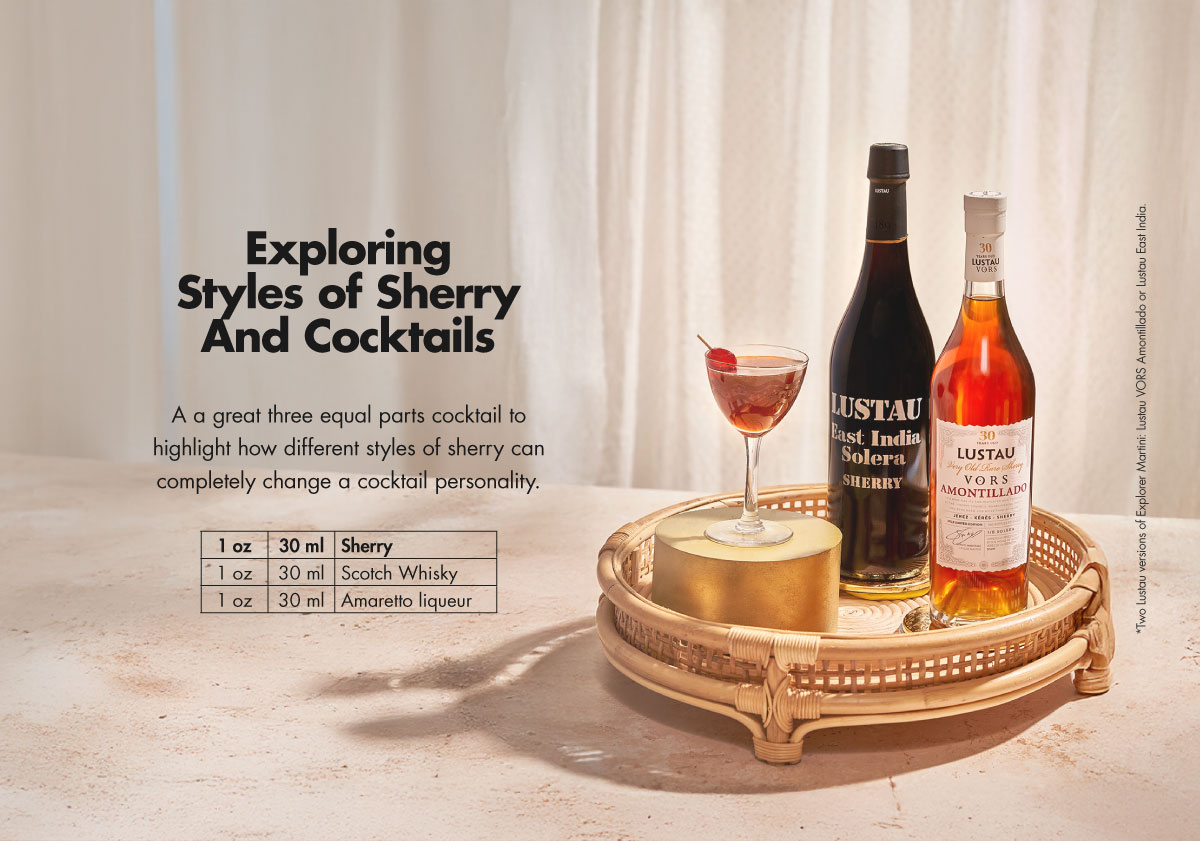
The Explorer cocktail also demonstrates this particularly neatly, as its equal-parts combination of just three ingredients is simple enough to show what happens when you change one of those three elements.
This illustrates how sherry is particularly useful to bartenders seeking complexity without relying solely on high-proof spirits. Sherry can take up a substantial proportion of a recipe while contributing considerably less alcohol than a typical base spirit.
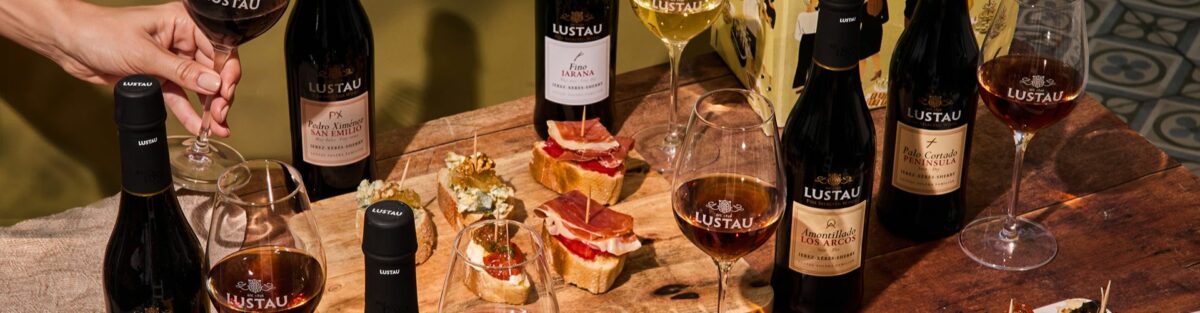
The breadth of Lustau’s sherry collection makes this principle easy to explore: Rather than thinking of “sherry” as one cocktail ingredient, consider the different shades of each sherry as an artist’s palette, with each capable of pushing the same recipe in a different direction.
For more practical inspiration, explore sherry cocktails as inspiration for creating expressive, flavour-driven and lower-alcohol drinks
How each Lustau sherry style changes the Explorer
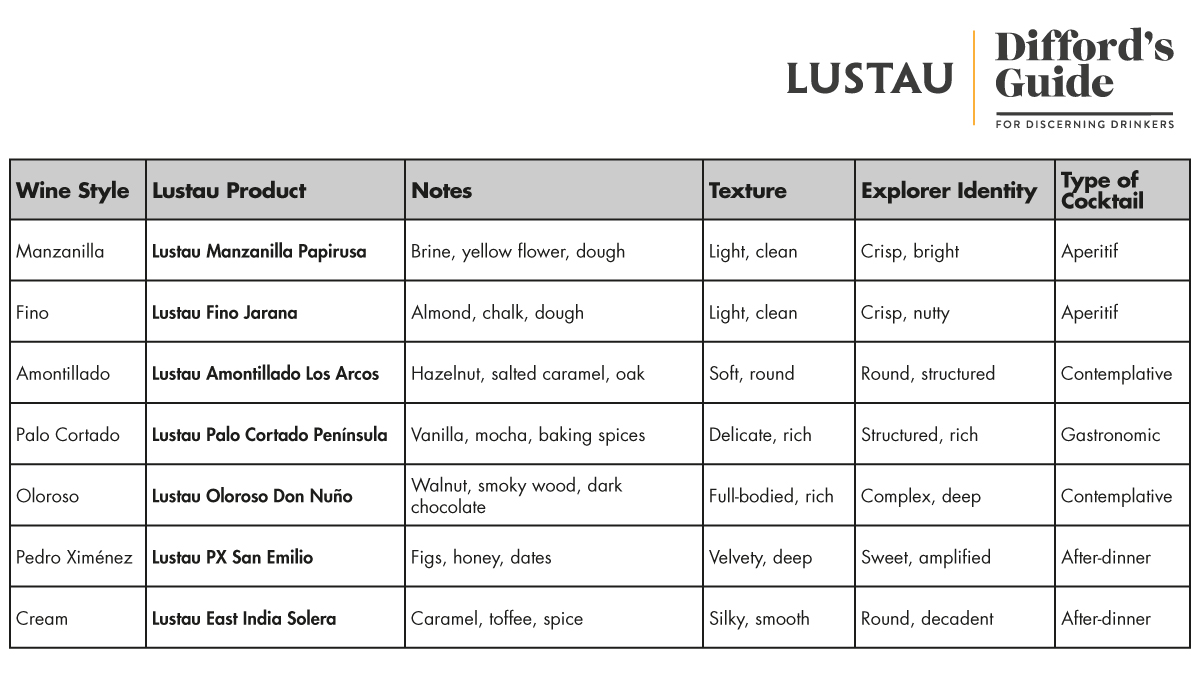
A useful way to approach sherry in cocktails is to ask: what do you want the sherry to do? The Explorer cocktail offers a simple framework for answering that question. By keeping the Scotch-amaretto base constant and changing only the sherry, the differences become clear: manzanilla and fino bring dryness, freshness and salinity; amontillado adds nuttiness, roundness and depth; oloroso contributes oxidative richness and structure while remaining dry; and pedro ximénez introduces sweetness, texture and dark-fruit intensity. As the sherry changes, so does the cocktail’s balance, personality and occasion, moving seamlessly from a crisp aperitif style to a richer after-dinner serve, while retaining the cocktail’s core identity.
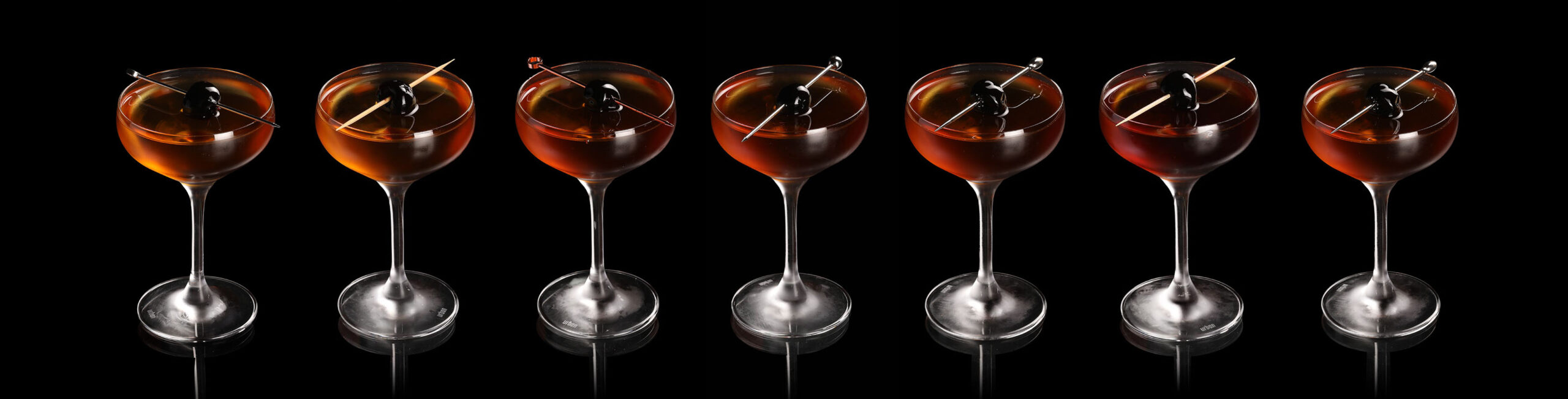
Photo courtesy of Difford’s Guide.
Lustau Manzanilla Papirusa: saline and appetising
This wine is bone dry, light and crisp, with the sea-breeze, yeast and delicate saline character. In an Explorer, those characteristics pull against the sweetness of the amaretto. The cocktail becomes fresher and more linear, while salinity makes the nutty flavours appear more savoury. The texture is lighter and the finish cleaner.
The result is the most overtly aperitif-driven Explorer version: a useful approach when a bartender wants to make a rich combination feel brighter without resorting to extra citrus or bitterness.
Fino Jarana: dry, crisp and structured
Another wine that is also bone dry, but its almond, yeasty and mineral notes have a different effect on the cocktail. Where Lustau Manzanilla Papirusa emphasises delicacy and coastal freshness, Jarana gives the Explorer a crisp but somewhat fuller frame. Almond notes have an obvious affinity with amaretto, but dryness prevents that relationship from becoming cloying.
The result remains firmly in aperitif territory, but with more nutty weight. For bartenders, fino is an excellent starting point when a recipe benefits from dryness, savoury notes and aromatic complexity, without adding excessive richness.
Amontillado Los Arcos: nutty, round and versatile
This amontillado is the sherry I prefer in the Explorer recipe and perhaps the natural midpoint of the experiment. Lustau Amontillado Los Arcos combines biological and oxidative ageing, resulting in a dry sherry with hazelnut aromas and a soft, round palate. In the Explorer, this gives the cocktail considerably more depth than fino or manzanilla while preserving dryness.
Its nuttiness reinforces the amaretto, while its oxidative character sits comfortably alongside whisky’s malt and oak flavours. The texture becomes rounder, and the cocktail feels less purely aperitif-like and more contemplative. If you wanted to make just one Explorer cocktail to demonstrate why sherry is structural, this would be a logical place to start.
Palo Cortado Península: concentrated and gastronomic
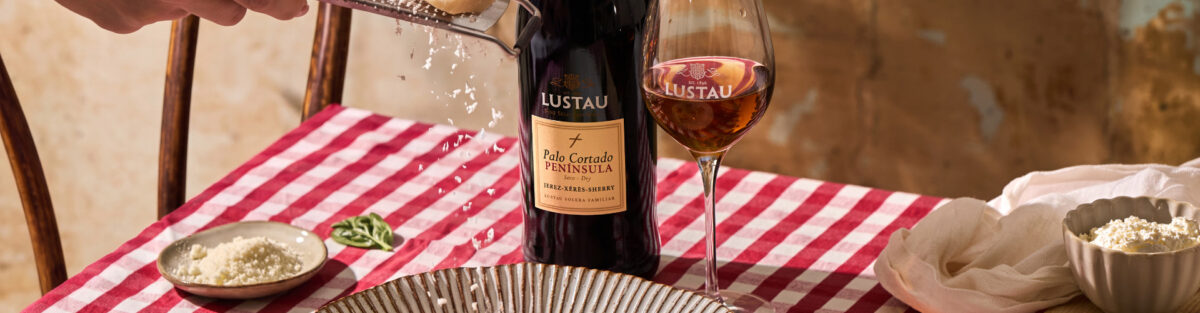
Lustau Palo Cortado Península combines characteristics associated with amontillado and oloroso with delicacy and aromatic finesse on one side, richness and body on the other.
It is dry and concentrated, with nutty character alongside vanilla, mocha and baking spices. In an Explorer these flavours move the cocktail towards darker territory without adding sugar. As a result, the cocktail feels more structured and gastronomic. Choose this version when serving the cocktail alongside food, rather than merely before or after it. It also illustrates an important distinction in sherry cocktails: richness and sweetness are not the same thing.
Oloroso Don Nuño: rich, broad and intense
Lustau Oloroso Don Nuño takes that distinction further. Oloroso is dry, but its full oxidative ageing and flavours of walnut, smoky wood and bitter chocolate give it a much richer sensory impression. Put it into the Explorer and the cocktail broadens. The whisky appears deeper, the almond liqueur richer and the finish longer.
This is an Explorer for later in the evening: robust and spirit-like in flavour, despite a significant proportion of the recipe being wine. Oloroso is particularly useful when looking for body, complexity and length without adding sweetness.
Pedro Ximénez San Emilio: sweet, dark and textural
Then the experiment changes gear. Lustau Pedro Ximénez San Emilio is very sweet, velvety and silky, with aromas and flavours recalling figs, raisins and dates. Used at the same proportion as a dry sherry, it would radically change the Explorer’s balance. The amaretto’s sweetness is amplified rather than checked, while the drink gains viscosity and dark-fruit richness.
For that reason, PX is often more interesting as a controlled modifier than as a straight one-for-one substitution. Perhaps reduce the amaretto, use less PX or otherwise rebalance the recipe around it.
This is another aspect of the Explorer Effect. The experiment isn’t merely about substitution; it teaches you what each sherry does and how to adapt a recipe around it.
Cream Sherry: rich, rounded and indulgent
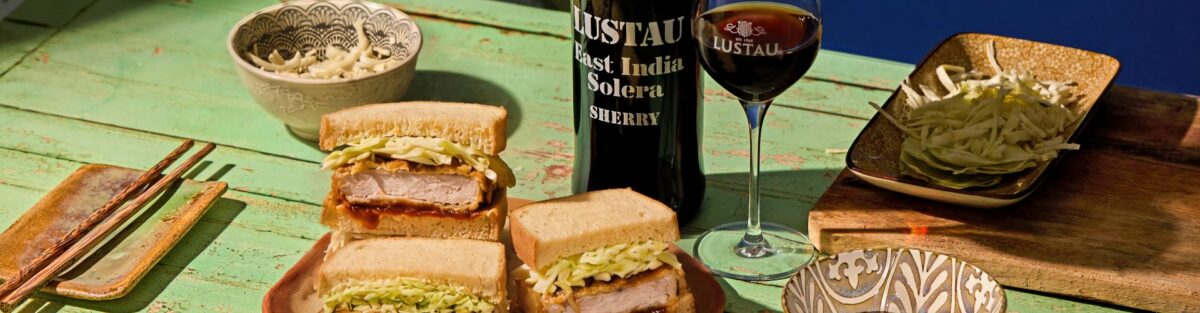
Lustau East India Solera brings a different dimension to the Explorer. Combining the nutty, oxidative character of oloroso with the natural sweetness of PX, it offers a profile marked by caramel, toffee, dried fruits and warming spice. In an Explorer, those qualities create a rounder, softer expression. The sweetness integrates naturally with the amaretto rather than competing with it, while notes of raisins, figs and candied nuts deepen the cocktail’s richness. The whisky appears smoother, the texture silkier and the finish longer.
The result is a cocktail that sits comfortably between the dry complexity of oloroso and the intensity of PX. It remains decadent without becoming overpowering, making it particularly suited to after-dinner service.
For bartenders seeking to add sweetness, texture and depth while preserving balance, cream sherry offers an elegant middle ground and a reminder that richness can be every bit as structural as dryness.
Why the Explorer Effect matters for bartenders
For bartenders, the practical advantage is how one underlying simple cocktail can be changed by swapping the sherry used. Instead of six unrelated recipes, you have one cocktail whose architecture can be changed to produce six very different serves.
There is also an alcohol advantage. Manzanilla Papirusa and Fino Jarana, for example, are 15% alc./vol., substantially below the strength of conventional base spirits. Making sherry a structural component can therefore help lower a cocktail’s alcohol strength without simply making a drink longer, thinner, or less interesting. You can reduce alcohol strength while adding aroma, acidity, salinity, flor character, nuttiness, oxidative complexity, or sweetness.
You can discover and learn more about how sherry enhances cocktail here
The progression between styles also gives bartenders a story to convey to guests, as moving from manzanilla to fino, then amontillado, palo cortado, oloroso and finally Pedro Ximénez is a journey from light, biologically aged wines to increasingly oxidative styles before ending with concentrated sweetness. That lends itself to cocktail flights, food pairing, tasting menus and menu progression. A guest can experience one cocktail idea moving from aperitif to after-dinner without losing sight of the original concept.
How to build a Lustau Explorer flight
The Explorer Effect is arguably best understood by tasting rather than explaining it. For a compact flight, make three small Explorers: one with fino or manzanilla, one with amontillado or palo cortado, and one with oloroso. This moves the cocktail from crisp and aperitif-like through nutty complexity to oxidative richness, while keeping the basic cocktail recognisable. For the full experiment, use all six wines in the Lustau Mixed Case.
Learn more about the Lustau Mixed Case:
Start with Manzanilla Papirusa, where salinity and delicacy make the cocktail lightest on its feet.
Follow with Fino Jarana, retaining dryness while increasing almond and bakery character.
Move to Amontillado Los Arcos, where the drink becomes rounder, nuttier and more oxidative, then Palo Cortado Península for greater concentration and complexity.
Oloroso Don Nuño provides the richest of the dry interpretations, with walnut, wood and dark-chocolate character.
Finish with Pedro Ximénez San Emilio, but consider rebalancing the recipe rather than simply substituting equal measures. Its sweetness and texture make the final drink an illustration of PX’s modifying power rather than a direct comparison with the dry styles.
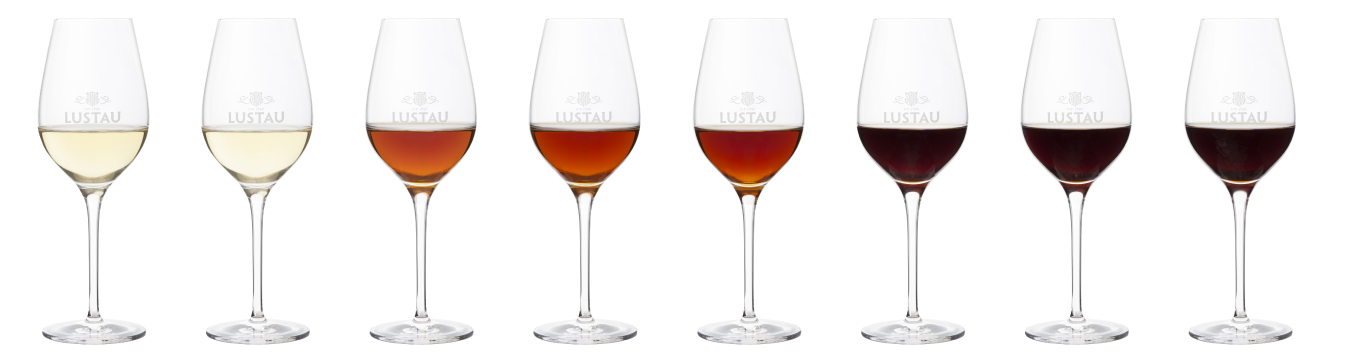
The purpose of a flight is comparison: a series of tasting-size serves that let guests notice changes in aroma, entry, mid-palate, texture, sweetness, and finish without committing to six full drinks.
Most importantly, keep everything else as consistent as possible. Same whisky. Same amaretto. Same dilution. Same temperature. The fewer variables you introduce, the more clearly the sherry reveals itself.
That is the Explorer Effect in its purest form: not six different cocktails, but one cocktail interpreted in six distinct forms.
FAQ
What is the Explorer Effect?
The Explorer Effect is a cocktail theory that demonstrates how changing the style of sherry within a broadly consistent recipe can transform its aroma, dryness, sweetness, texture, body and drinking occasion. The idea was inspired by the Explorer cocktail, where the choice of sherry has a particularly noticeable effect on the finished drink.
Why does sherry change the profile of a cocktail?
Different sherry styles vary dramatically in ageing method, aroma, texture, dryness and sweetness. A bone-dry manzanilla contributes very different sensory characteristics from an oxidative oloroso or a sweet pedro ximénez. Sherry therefore affects not only flavour but also the cocktail’s structure and balance.
Which Lustau sherry is best for a dry style cocktail?
For the driest and lightest profiles, Manzanilla Papirusa and Fino Jarana are natural starting points. Both are bone dry, with Papirusa tending towards delicate saline freshness and Jarana bringing a fuller almond and bakery character. The best choice depends on the other ingredients and the desired result.
Can sherry help create lower-ABV cocktails?
Yes. Sherries can provide considerable flavour and complexity at a lower alcoholic strength than most base spirits. Using more sherry and less high-proof spirit can therefore help create lower-alcohol cocktails while retaining aroma, texture and structural interest. The final strength, of course, depends on the complete recipe and proportions used.
How can bartenders use Lustau sherries in cocktail menus?
Treat the range as a set of diversely different ingredients rather than interchangeable bottles of sherry. Manzanilla and fino can provide dryness and freshness; while amontillado and palo cortado add increasingly nutty and oxidative complexity; oloroso contributes body and intensity; and pedro ximénez supplies sweetness, dark-fruit character and texture. Used this way, the same basic cocktail concept can generate a family of serves, a tasting flight or even a progression through an entire menu.