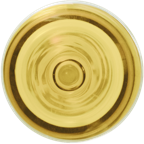

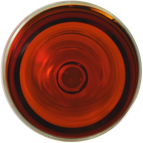
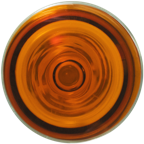
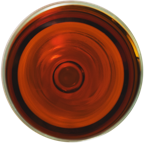
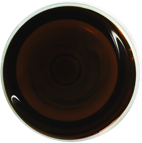
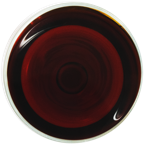
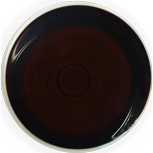
Among the world’s great fortified wines, few categories inspire as much fascination as sherry and madeira. Both are historic wines shaped by centuries of tradition, both are known for extraordinary complexity and longevity, and both demonstrate how time can transform wine into something truly unique. Yet, despite these similarities, the difference between sherry and madeira is significant.
Born in different regions and shaped by different winemaking philosophies, these two wines express very distinct identities. Sherry, from the region of Jerez in southern Spain, explores a remarkable range of styles through biological and oxidative aging. Madeira, produced on the Portuguese island of the same name, is defined by its relationship with heat, oxidation, and vibrant acidity.
Understanding the sherry vs madeira comparison means looking beyond their shared identity as fortified wines and discovering how origin, grapes, climate, aging, and tradition create two completely different expressions.
What is the difference between Sherry and Madeira?
Sherry and madeira are both fortified wines, meaning that neutral grape spirit is added during the winemaking process to influence the final style, alcohol level, and stability of the wine. However, their paths quickly begin to diverge.
To better understand the category they both belong to, explore our complete guide to fortified wines, including how they are made and why they represent some of the world’s most historic wine styles:
The main difference between sherry and madeira lies in where they come from and how they age. Sherry is produced in the Jerez region of Andalucía, Spain, where wines develop through the unique influence of “flor” yeast, oxidative aging, or a combination of both.
Madeira comes from a volcanic Atlantic island, where wines are shaped by controlled exposure to heat and oxygen.
The result is a fascinating fortified wines comparison: sherry expresses everything from delicate, dry, saline styles to intensely rich sweet wines, while madeira is recognized for its vibrant acidity, caramelized complexity, and remarkable resistance to time.
While sherry and Madeira reveal two unique approaches to fortified winemaking, they are only part of a much broader category.
To explore another historic comparison, discover the key differences between sherry and port wines.
Where They Come From: Jerez vs Madeira Island
The identity of both wines begins with their origin.
Sherry is produced in the Marco de Jerez, a historic wine region in southern Spain shaped by its proximity to the Atlantic Ocean, its bright climate, and its distinctive white albariza soils. The region is especially connected to the Palomino grape, a variety that provides the ideal foundation for the development of sherry’s diverse aging styles.
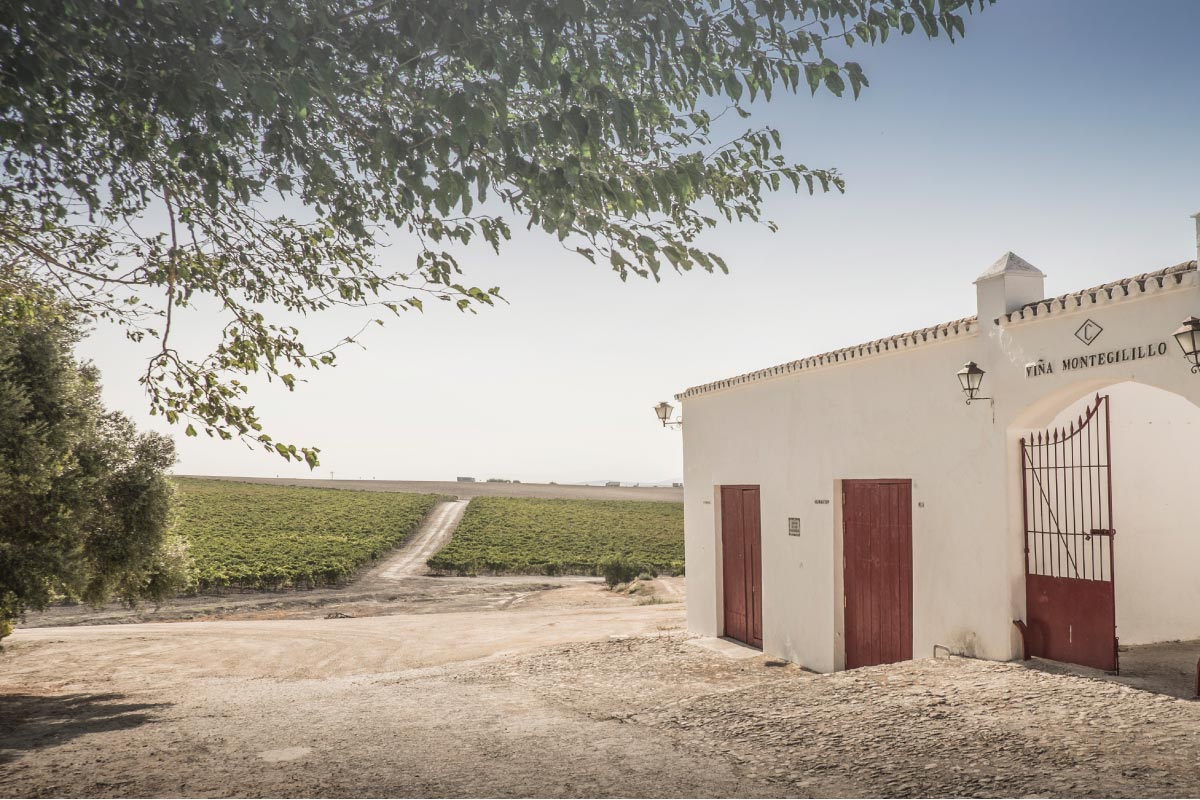
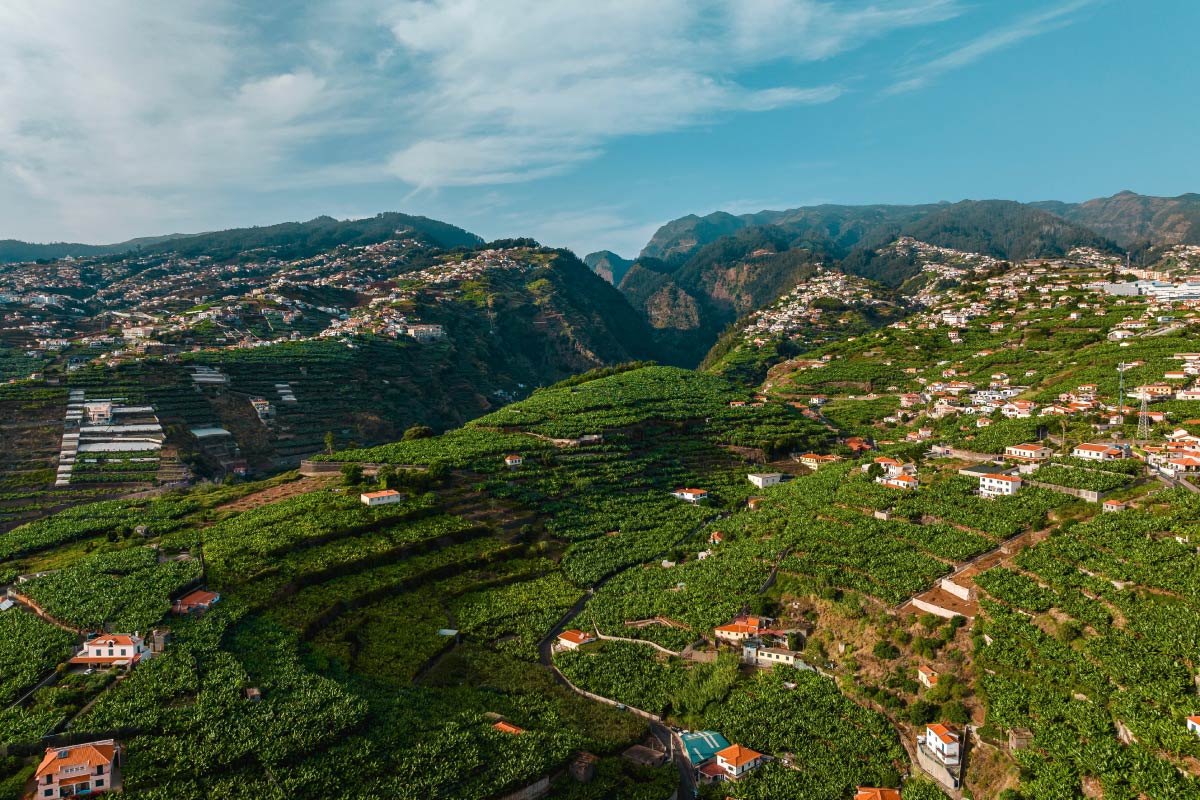
Madeira, by contrast, reflects its volcanic island origin. Located in the Atlantic Ocean, the Portuguese island of Madeira is known for steep vineyards, a humid maritime climate, and grape varieties such as Sercial, Verdelho, Bual, Malvasia, and Tinta Negra.
How Sherry and Madeira Are Made: Two Different Approaches to Time
Perhaps another great distinction in the madeira vs sherry comparison is how each wine evolves during aging. Both traditions rely on patient maturation, but they guide that transformation in very different ways.
Biological and Oxidative Aging: The Unique Identity of Sherry
One of sherry’s most distinctive characteristics is the diversity of aging methods found within a single wine region.
In Jerez, some wines develop through biological aging under “flor”, a natural layer of yeast that forms on the wine’s surface inside partially filled barrels. This unique environment protects the wine from significant oxidation while transforming its character, creating the fresh, dry, and saline profiles associated with fino and manzanilla sherries.
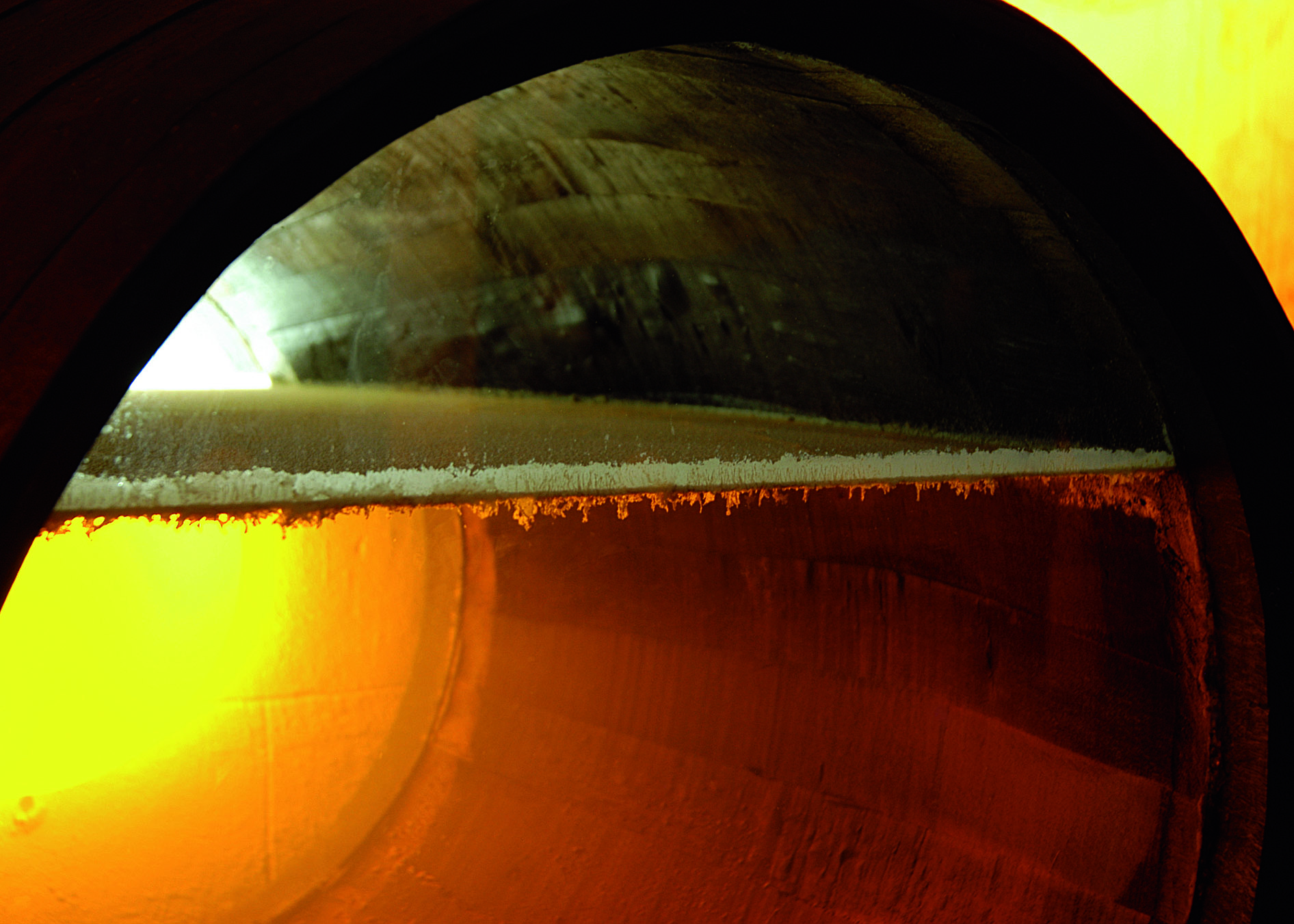
Other styles follow an oxidative path, where controlled exposure to oxygen gradually transforms the wine, developing the deeper color, structure, and complex aromas of nuts, spices, and dried fruits found in oloroso.
Between these two expressions are styles such as amontillado and palo cortado, where different interactions between “flor” and oxygen create wines of remarkable complexity. This ability to express different relationships between wine, oxygen, and aging is one of the defining features that separates sherry from other fortified wines.
Insertar: To explore these unique transformations in greater detail, discover how sherry wines are aged and how different aging methods shape the diverse styles produced in Jerez.
Heat and Oxidation: The Distinctive Character of Madeira
Madeira follows a very different philosophy, shaped by the history and environment of the island where it is produced.
During long sea voyages centuries ago, producers discovered that exposure to heat during transportation transformed the wines, creating greater complexity and stability. Over time, this accidental discovery became an intentional part of Madeira production.
Today, Madeira develops through processes designed to recreate this effect. The “estufagem” method uses controlled heating, while the traditional “canteiro” allows wines to mature slowly in warm conditions over extended periods.
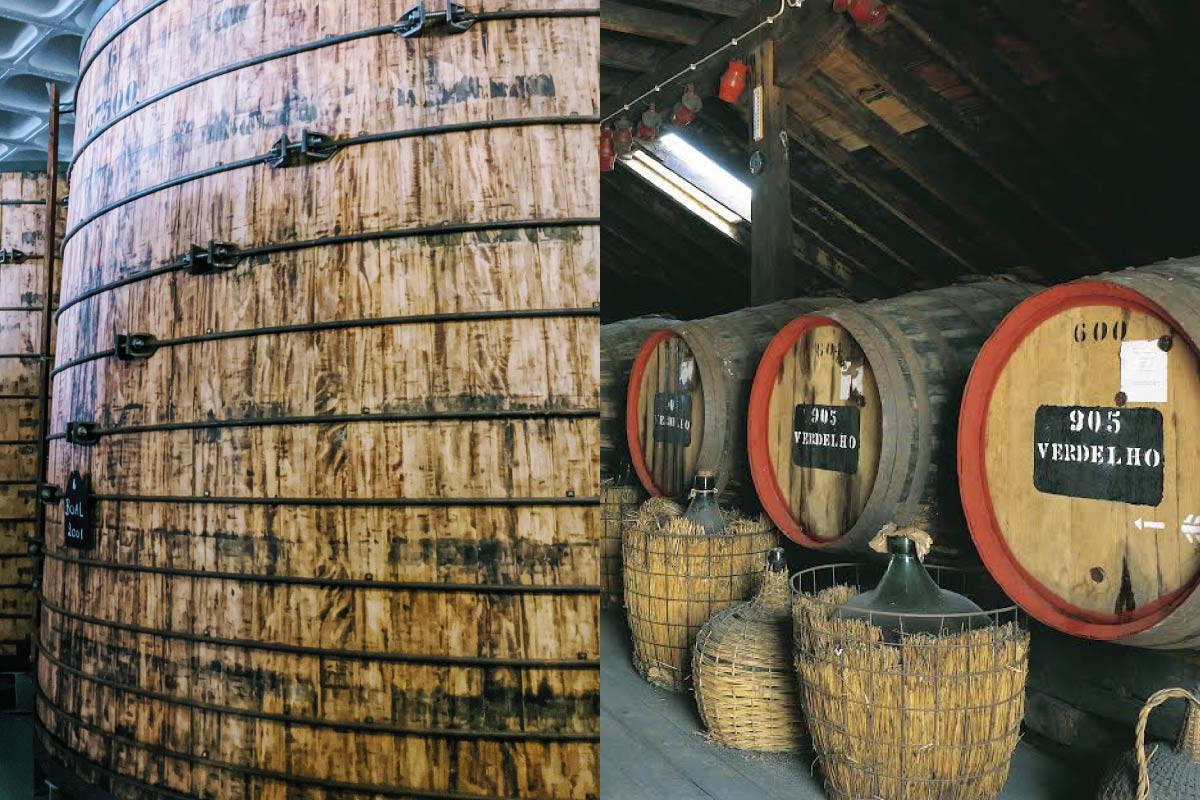
Credit: everyglassmatters.com and madeirawineanddine.com.
Combined with madeira’s naturally high acidity and oxidative aging, these techniques create wines known for their intensity, longevity, and distinctive flavors of caramel, roasted nuts, dried fruits, and spices.
Sherry vs Madeira: Flavor, Sweetness, and Style Differences
One of the most common misconceptions in any fortified wines comparison is the idea that these wines belong to a single flavor category. In reality, both sherry and madeira include a wide range of expressions, from dry and delicate to rich and intensely sweet.
From Bone Dry to Sweet: Understanding the Range of Sherry Styles
One of sherry’s most remarkable qualities is the diversity of styles produced within the same region.
Fino and manzanilla represent the lightest and freshest expressions, with bone-dry profiles shaped by biological aging under flor. Their flavors often suggest almonds, fresh dough, herbs, and a distinctive saline character.
Amontillado combines the influence of “flor” with oxidative aging, creating a deeper profile with notes of hazelnut, dried herbs, and greater structure. Palo cortado offers a unique balance between elegance and intensity, while oloroso develops a fuller body with aromas of walnuts, spices, and toasted notes.
Sweet styles, including cream sherries and pedro ximénez wines, reveal another dimension of the category, offering richness, concentration, and flavors of dried fruits, caramel, and chocolate.
Rather than representing one specific flavor, sherry offers an entire spectrum—from the most delicate aperitif wines to some of the richest dessert wines in the world.
Madeira Styles: Acidity, Sweetness, and Long Aging Potential
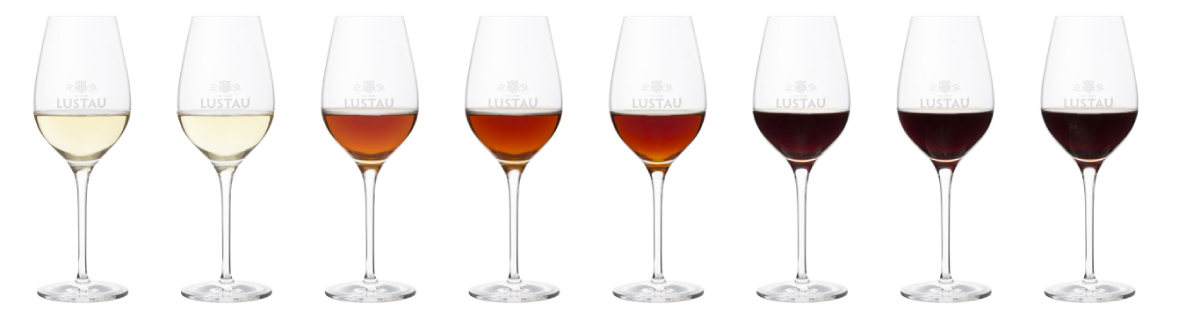
Madeira also offers a wide range of expressions, traditionally associated with different grape varieties and sweetness levels. While many wines today are produced from the versatile Tinta Negra grape, the classic Madeira styles are often represented through varieties historically linked to different levels of sweetness.
Sercial generally represents the driest style, showing intense acidity, citrus notes, and a firm structure. Verdelho offers a slightly richer profile while maintaining freshness, while Bual introduces greater sweetness with flavors of dried fruits, caramel, and spice. Malvasia, also known as Malmsey, represents the richest and sweetest traditional expression.
Even in sweeter versions, freshness creates balance and prevents the wines from feeling heavy.
Combined with the effects of heat, oxidation, and extended aging, madeira develops its recognizable profile: concentrated, complex, and exceptionally long-lived.
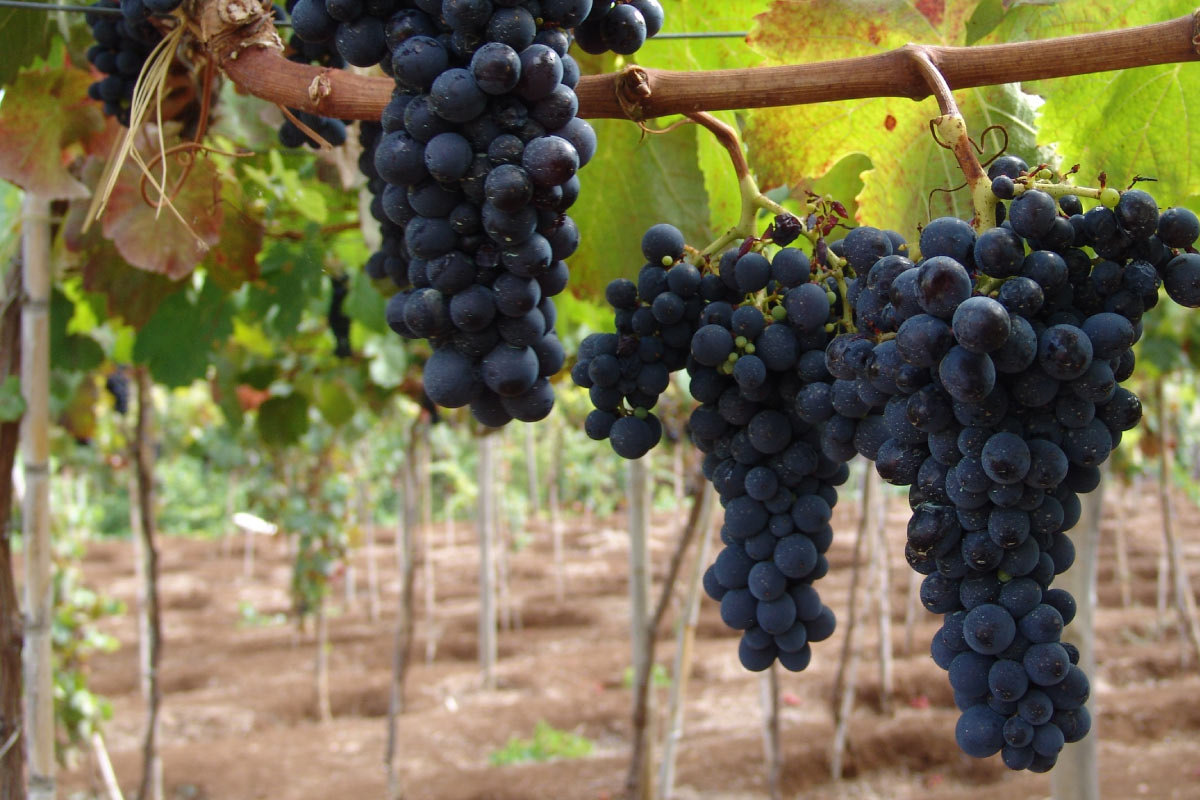
Credit: essential-madeira.com
How to Taste the Difference Between Sherry and Madeira
The easiest way to understand the difference between sherry and madeira is to taste them side by side and focus on the elements that define their personalities: aroma, texture, sweetness, acidity, and finish.
In sherry, look for the influence of its unique aging methods: freshness, salinity, and delicate notes of almond and bread dough, greater intensity, with aromas of nuts, spices, and dried fruits. Across the category, sherry is often recognized for its savory character and ability to deliver complexity without relying on primary fruit flavors.
Madeira expresses a different profile: remarkable intensity and persistence. Expect flavors that can suggest roasted nuts, caramel, dried citrus, spices, and a distinctive freshness that remains even in sweeter styles.
When tasting both wines, the contrast becomes clear: sherry often highlights precision, texture, while madeira emphasizes acidity, concentration, and the transformative effect of heat and time.
When to Choose Sherry or Madeira
Choosing between sherry and madeira is not about deciding which wine is better, but understanding the occasion, flavor profile, and experience you are looking for.
Both wines offer extraordinary complexity and a unique sense of history, yet they often serve different purposes. Sherry’s diversity makes it one of the most versatile wines at the table, moving effortlessly from aperitif moments to full meals and sweet pairings. Madeira, with its distinctive acidity, concentration, and longevity, is especially appreciated in moments where intensity and contemplation take center stage.
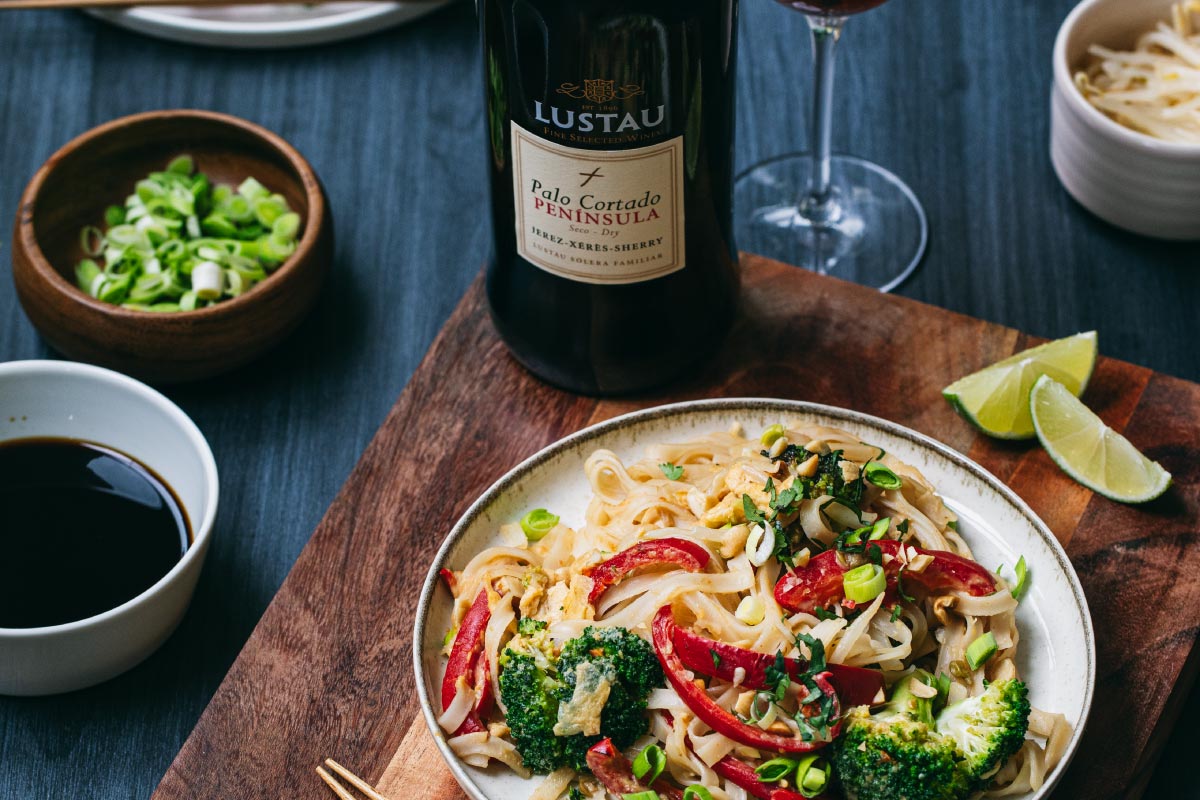
Food Pairings and Gastronomic Moments
Sherry’s extraordinary range of styles makes it particularly adaptable to food.
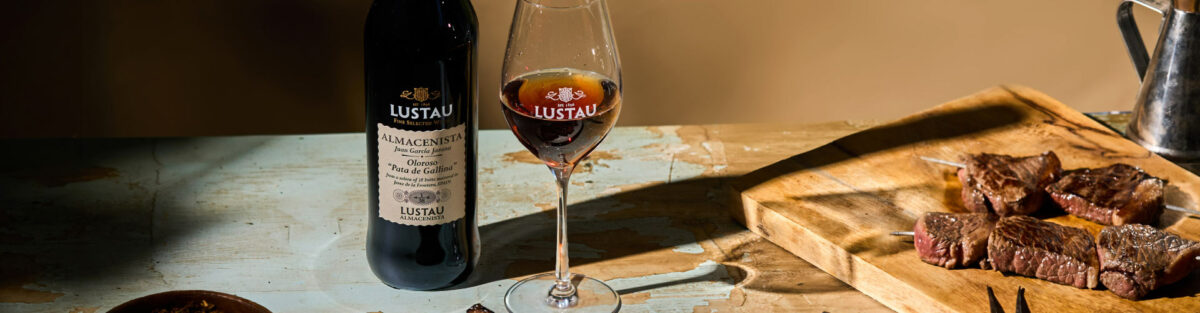
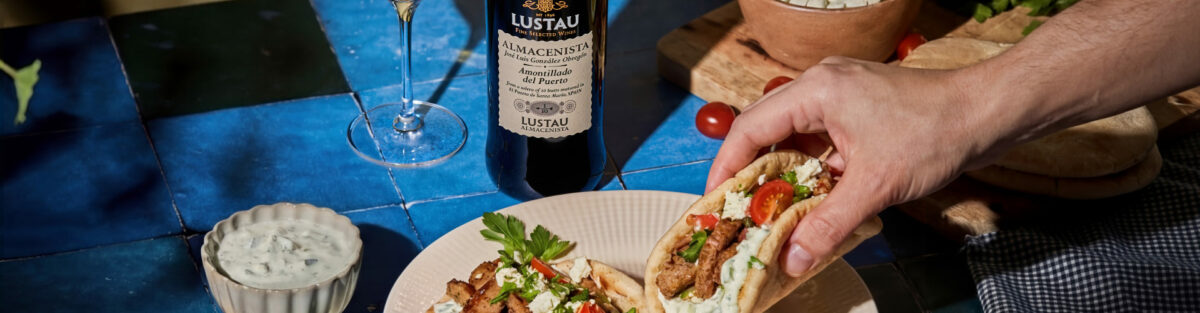
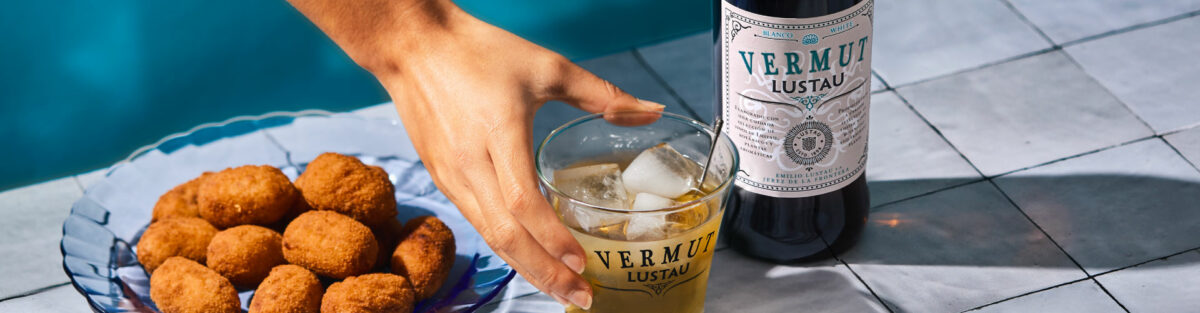
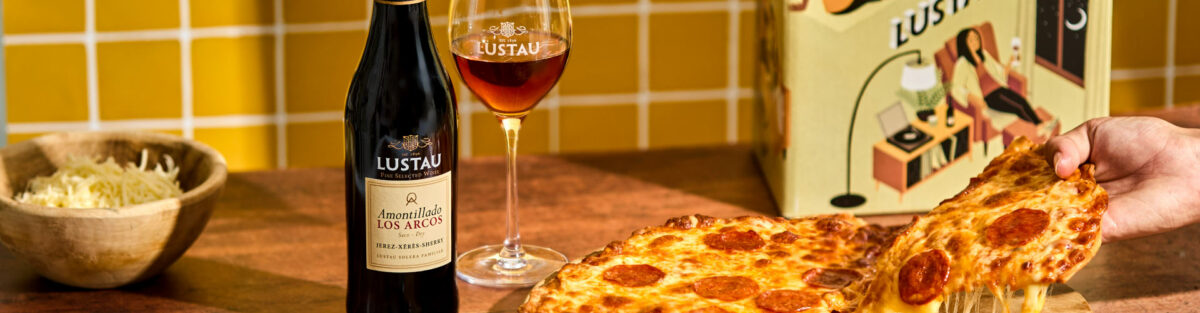
Dry styles such as fino and manzanilla bring freshness, salinity, and precision, making them natural companions for seafood, fried foods, vegetables, and aperitif-style dishes. Amontillado, palo cortado, and oloroso provide greater structure and depth, pairing beautifully with more intense flavors such as aged cheeses, mushrooms, roasted meats, and dishes rich in umami. Sweet styles extend this versatility even further, complementing desserts, chocolate, blue cheeses, and other powerful flavors.
This ability to move across an entire menu is one of sherry’s most distinctive qualities. From aperitif moments to main courses and dessert pairings.
Discover how different styles can transform the dining experience in our guide to the best sherry wines for dinner.
Madeira can also create memorable pairings, particularly with cheeses, nuts, desserts, and richer preparations where its acidity balances sweetness and concentration.
Ultimately, both wines demonstrate that fortified wines are not limited to the end of a meal—they can create remarkable combinations across many different culinary experiences.
After-Dinner Serves and Contemplative Moments
Some expressions of sherry and madeira are especially suited to slower, more reflective occasions.
Madeira’s concentration, freshness, and remarkable ability to age have made it a classic choice for after-dinner enjoyment. Older styles reveal exceptional depth, combining sweetness, acidity, and complex notes developed over decades.
Sherry also has a long tradition in these moments. Mature olorosos, palo cortados, rare old sherries, and Pedro Ximénez wines offer profound expressions of time, concentration, and craftsmanship.
In the end, the sherry vs madeira comparison reveals two different interpretations of the same idea: how history, place, and patient aging can transform wine into something far beyond its original form.
Explore our pairing library below: